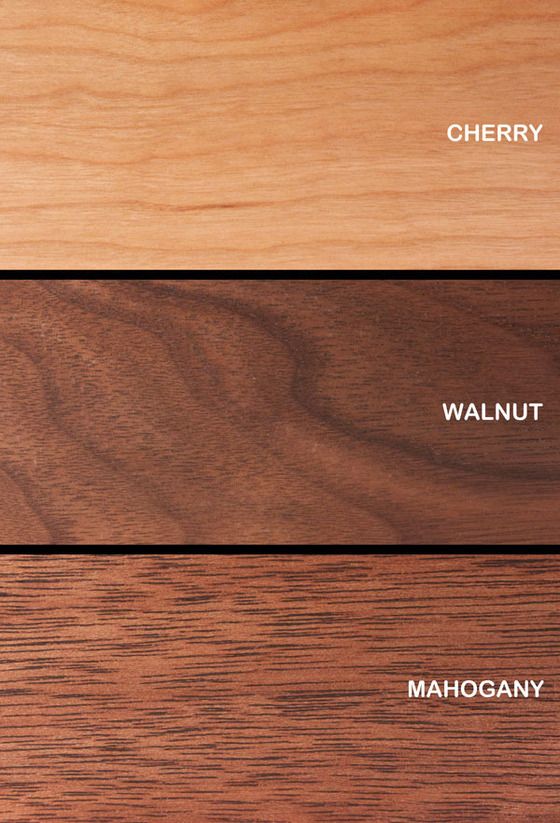
Are you trying to decide between mahogany, walnut, and cherry wood for your next furniture project? Choosing the right wood is essential for both the look and durability of your furniture. In this blog post, we’ll explore the characteristics, uses, and maintenance of these three popular hardwoods. By the end, you’ll have a clearer idea of which wood is right for you.
Why Choose Wood for Furniture?
Wood is a timeless choice for furniture because it combines beauty and strength. It adds warmth to any space and can last for generations if cared for properly. When choosing wood, consider factors like appearance, durability, and how it fits into your budget.
Overview of Mahogany, Walnut, and Cherry
Mahogany: Known for its rich color and fine grain, mahogany is a classic choice for elegant furniture.
walnut: This wood features deep, rich tones and is often used for high-end pieces.
Cherry: Cherry wood is famous for its warm, reddish hue that deepens with age, providing a unique beauty.
Understanding Mahogany
Characteristics of Mahogany
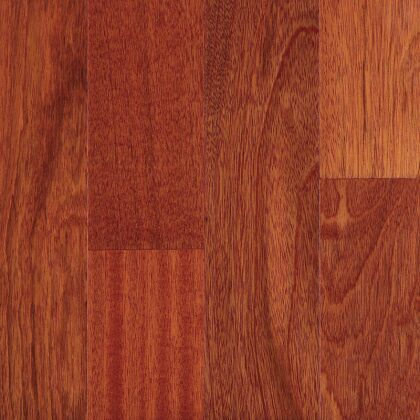
Mahogany is often praised for its rich color, which ranges from a light pinkish-brown to a deep reddish-brown. Its straight, fine grain gives it a smooth texture, making it ideal for a polished finish.
Pros of Mahogany:
Beautiful appearance
Smooth texture
Cons of Mahogany:
Can be more expensive than other woods
Durability and Longevity of Mahogany
Mahogany is highly durable. It resists warping and swelling, making it a top choice for furniture that lasts. With proper care, mahogany furniture can last for decades, if not longer.
Common Uses of Mahogany in Furniture
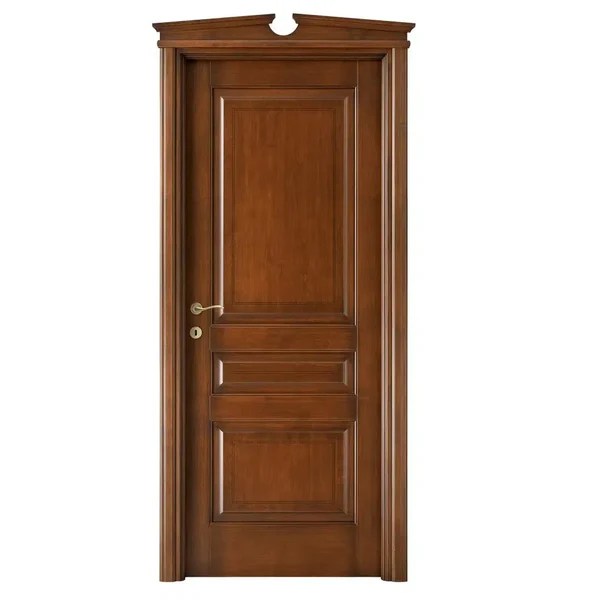
You’ll often find mahogany in cabinets, tables, and chairs. Its elegant look makes it popular among fine furniture makers.
Exploring Walnut Wood
Characteristics of Walnut
Walnut wood is famous for its dark, rich tones and intricate grain patterns. It usually features a mix of browns with some purples and blacks, providing a stunning visual appeal.
Pros of Walnut:
Unique grain patterns
Rich, dark color
Cons of Walnut:
Can be heavier and harder to work with
Durability and Longevity of Walnut
Walnut is also quite durable. It stands up well to wear and tear, making it a great choice for furniture that sees daily use. With the right maintenance, walnut can last for many years.
Common Uses of Walnut in Furniture
Walnut is commonly used for desks, dining tables, and bed frames. Its luxurious appearance makes it a favorite for high-end furniture.
Discovering Cherry Wood
Characteristics of Cherry Wood
Cherry wood is beloved for its warm, reddish hue that deepens over time. Its smooth grain and fine texture make it a pleasure to work with.
Pros of Cherry:
Beautiful color that matures with age
Smooth texture
Cons of Cherry:
Can be softer than mahogany and walnut, making it more prone to scratches
Durability and Longevity of Cherry
While cherry wood is durable, it is softer than both mahogany and walnut. It can still last a long time with proper care, but it may require more maintenance to keep it looking its best.
Common Uses of Cherry in Furniture
You’ll often find cherry wood in dressers, tables, and cabinets. Its classic look fits well in traditional and contemporary homes alike.
Comparing Aesthetics: Color and Grain
Mahogany’s Unique Appearance
Mahogany is known for its deep, warm tones that can create an elegant and classic look. Its fine grain adds to its luxurious appearance, making it a favorite for fine furniture.
Walnut’s Rich Tones
Walnut’s rich color adds depth and sophistication to any piece. The unique grain patterns make every walnut furniture piece one-of-a-kind, adding character to your home.
The Warmth of Cherry Wood
Cherry wood offers a warm, inviting hue that evolves over time. Its smooth, fine grain enhances its beauty, making it a popular choice for both rustic and modern designs.
Hardness and Workability
Hardness Ratings of Mahogany, Walnut, and Cherry
Mahogany: Hardness rating of about 1,500 lbf (pounds-force)
Walnut: Hardness rating of about 1,010 lbf
Cherry: Hardness rating of about 950 lbf
This means mahogany is the hardest and most durable of the three, while cherry is the softest.
Ease of Working with Each Wood Type
Mahogany: Easy to work with due to its straight grain.
Walnut: Can be challenging due to its density but finishes beautifully.
Cherry: Easy to shape, but care is needed to avoid scratches.
Cost Considerations
Price Comparison of Mahogany, Walnut, and Cherry
Mahogany: Generally the most expensive.
Walnut: Priced between mahogany and cherry.
Cherry: Usually the most affordable of the three.
Factors Affecting Wood Prices
Prices can vary based on availability, quality, and where the wood is sourced. Specialty woods like mahogany can be more expensive due to their limited availability.
Environmental Considerations
Sustainability of Mahogany and Other Hardwoods
Sustainability is an important factor to consider. Mahogany has faced overharvesting issues, but sustainably sourced mahogany is available. Walnut and cherry are more readily available and are often sourced from sustainable forests.
Certification and Sourcing Practices
Look for certifications like FSC (Forest Stewardship Council) to ensure your wood is responsibly sourced. This helps protect forests and promotes sustainable practices.
Maintenance and Care for Fine Furniture
Caring for Mahogany Furniture
Dust regularly with a soft cloth.
Avoid direct sunlight to prevent fading.
Use a high-quality wood polish to maintain its shine.
Caring for Walnut Furniture
Wipe with a damp cloth to remove dust.
Avoid harsh chemicals that can damage the finish.
Apply a wood conditioner periodically to keep it nourished.
Caring for Cherry Furniture
Dust with a soft, dry cloth to avoid scratches.
Keep it away from direct heat to prevent drying.
Use a light wax or oil to enhance its natural beauty.
Conclusion: Choosing the Right Wood for You
In conclusion, choosing between mahogany, walnut, and cherry wood depends on your style preferences, budget, and how you plan to use your furniture.
Key Takeaways
Mahogany: Best for elegant, long-lasting pieces; most expensive.
Walnut: Rich, dark tones with unique patterns; mid-range price.
Cherry: Warm, inviting wood that matures beautifully; most affordable.
FAQ: Common Questions About Mahogany, Walnut, and Cherry
Which wood is best for durability?
Mahogany is the most durable of the three, making it ideal for furniture that sees a lot of use.
How does the cost of mahogany compare to walnut and cherry?
Mahogany is generally the most expensive, while cherry is the most affordable.
What wood is best for a traditional style?
Cherry and mahogany are both great choices for traditional styles, while walnut fits well in both traditional and modern designs.
Now that you have a better understanding of mahogany vs. other hardwoods like walnut and cherry, you can make an informed decision for your next furniture project. Happy crafting!