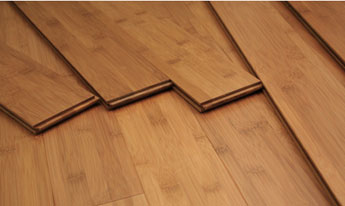
What makes mahogany the go-to choice for fine woodworking, and how can you ensure you’re selecting the best quality? Mahogany is celebrated for its beauty, durability, and workability, making it a favorite among woodworkers. However, not all mahogany is created equal. Understanding lumber grading, especially the prestigious FAS (First and Seconds) grade, can help you select the best materials for your projects. Let’s dive into the fascinating world of mahogany wood quality grading!
—
Understanding Mahogany Wood
What is Mahogany?
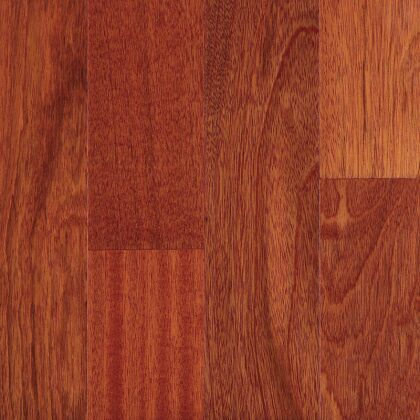
Mahogany is a tropical hardwood known for its rich color and fine grain. It’s often used in high-end furniture, cabinetry, and musical instruments. The wood is renowned for its reddish-brown hue, which deepens with age, giving it an elegant appearance.
History of Mahogany in Woodworking
Mahogany has been a prized material for centuries. It gained popularity during the colonial era when it was imported to Europe and the Americas. Its unique properties made it the wood of choice for crafting exquisite furniture and trim, establishing its reputation that continues today.
Types of Mahogany Species
There are several species of mahogany, but the most commonly used are:
Honduran Mahogany (Swietenia macrophylla): Known for its quality and stability.
African Mahogany (Khaya spp.): Slightly lighter in color but still offers great workability.
Philippine Mahogany (Shorea spp.): Often used in lower-grade applications, it’s not true mahogany but still popular.
—
Importance of Wood Grading
What is Wood Grading?
Wood grading is a system used to classify lumber based on its quality and appearance. It helps you understand the wood’s suitability for specific applications. Higher grades indicate fewer defects and a more attractive appearance.
Why Grading Matters in Fine Woodworking
When it comes to fine woodworking, the grade of the wood directly affects the final product. Higher grades, like FAS, offer better aesthetics and are easier to work with, ensuring that your finished project meets high standards.
—
Overview of the Mahogany Grading System
Common Mahogany Grades
In the mahogany grading system, you’ll typically encounter:
FAS (First and Seconds): High-quality lumber with minimal defects.
F1F (First and Better): Slightly lower than FAS but still very good.
Select: Good quality with some imperfections.
Common Grades: These are lower quality and may have more defects.
Understanding FAS Grade
FAS grade mahogany is considered the best quality. It is cut from the best parts of the log, ensuring that you get long, clear pieces of wood with minimal defects. FAS lumber has at least 83% clear wood and is perfect for fine woodworking projects where appearance is crucial.
—
Characteristics of Premium Mahogany Wood
Color and Appearance
Premium mahogany features a deep, rich color that ranges from pinkish-brown to dark reddish-brown. Its fine, straight grain gives it a luxurious look, making it ideal for high-end furniture and cabinetry.
Durability and Workability
Mahogany is incredibly durable and resistant to warping, making it suitable for various applications. It’s also easy to work with, whether you’re cutting, shaping, or sanding, which is essential for achieving a flawless finish.
—
How to Identify Quality Mahogany
Visual Inspection Techniques
When selecting mahogany, inspect the wood visually. Look for:
Color consistency: A uniform color indicates better quality.
Grain pattern: Straight, fine grain is preferred.
Surface smoothness: A well-finished surface indicates quality craftsmanship.
Checking for Defects
Examine the wood for defects such as:
Knots: These can weaken the structure.
Splits or cracks: These indicate poor handling or drying processes.
Insect damage: Look for holes or tunnels which can compromise the wood.
—
Selecting the Right Mahogany for Your Project
Matching Mahogany to Project Needs
Consider the requirements of your project. For fine furniture, FAS grade is ideal, while lower-grade mahogany might suffice for hidden components or less visible areas.
Sourcing Quality Mahogany Lumber
When sourcing mahogany, choose reputable suppliers who can provide documentation of the wood’s grade. Look for suppliers who specialize in high-quality hardwoods to ensure you’re getting the best.
—
Tools and Techniques for Working with Mahogany
Recommended Tools for Mahogany
Having the right tools can make a significant difference in your woodworking experience. Use:
Sharp chisels: For fine detailing.
Table saw: For precise cuts.
Router: For creating clean edges and profiles.
Tips for Cutting and Shaping Mahogany
Always use sharp blades to avoid tearing the grain.
Take your time when sanding to achieve a smooth finish.
Pre-drill holes to prevent splitting when nailing or screwing.
—
Finishing Mahogany Wood
Best Finishes for Mahogany
Mahogany looks stunning with a variety of finishes. Some popular options include:
Oil finishes: Enhance the natural color and grain.
Lacquer: Provides a high-gloss finish and is quick-drying.
Varnish: Offers a durable finish that protects against wear.
Techniques for Achieving a Flawless Finish
Sanding: Start with coarse grit and move to finer grits for a smooth surface.
Applying finish: Use a brush or cloth to evenly apply your chosen finish, and always follow the manufacturer’s instructions.
—
Maintaining and Caring for Mahogany Wood
Cleaning and Upkeep Tips
To keep your mahogany furniture looking great:
Dust regularly with a soft cloth to avoid scratches.
Use a gentle cleaning solution for deeper cleaning.
Protecting Mahogany from Damage
Avoid placing mahogany items in direct sunlight to prevent fading.
Use coasters and pads to protect surfaces from water rings and heat damage.
—
Conclusion and Key Takeaways
Summary of Key Points
Selecting the right mahogany for your woodworking projects is essential for achieving beautiful and durable results. Understanding the grading system, particularly FAS grade, helps you choose high-quality wood that meets your project’s needs. Pay attention to visual characteristics, and ensure you have the right tools and techniques to work with mahogany effectively.
Final Thoughts on Mahogany Wood Quality
Investing in quality mahogany not only enhances the beauty of your projects but also ensures their longevity. By following these guidelines, you can create stunning pieces that you and others will admire for years to come.
—
FAQ Section:
1. What does FAS stand for in mahogany grading?
FAS stands for “First and Seconds,” indicating high-quality lumber with minimal defects.
2. How can I determine the grade of mahogany lumber?
You can determine the grade by looking for markings from the supplier and checking for defects such as knots and cracks.
3. Is all mahogany wood the same quality?
No, mahogany wood varies in quality based on its grading. Higher grades like FAS are superior in appearance and workability.
4. What are common uses for FAS grade mahogany?
FAS grade mahogany is often used in high-end furniture, cabinetry, and decorative items due to its beauty and durability.
5. How do I care for mahogany furniture?
Regular dusting, gentle cleaning, and protecting it from direct sunlight will help maintain the beauty and longevity of mahogany furniture.
By understanding mahogany wood quality grading and selecting the right materials, you can create stunning woodworking projects that stand the test of time! Happy woodworking!