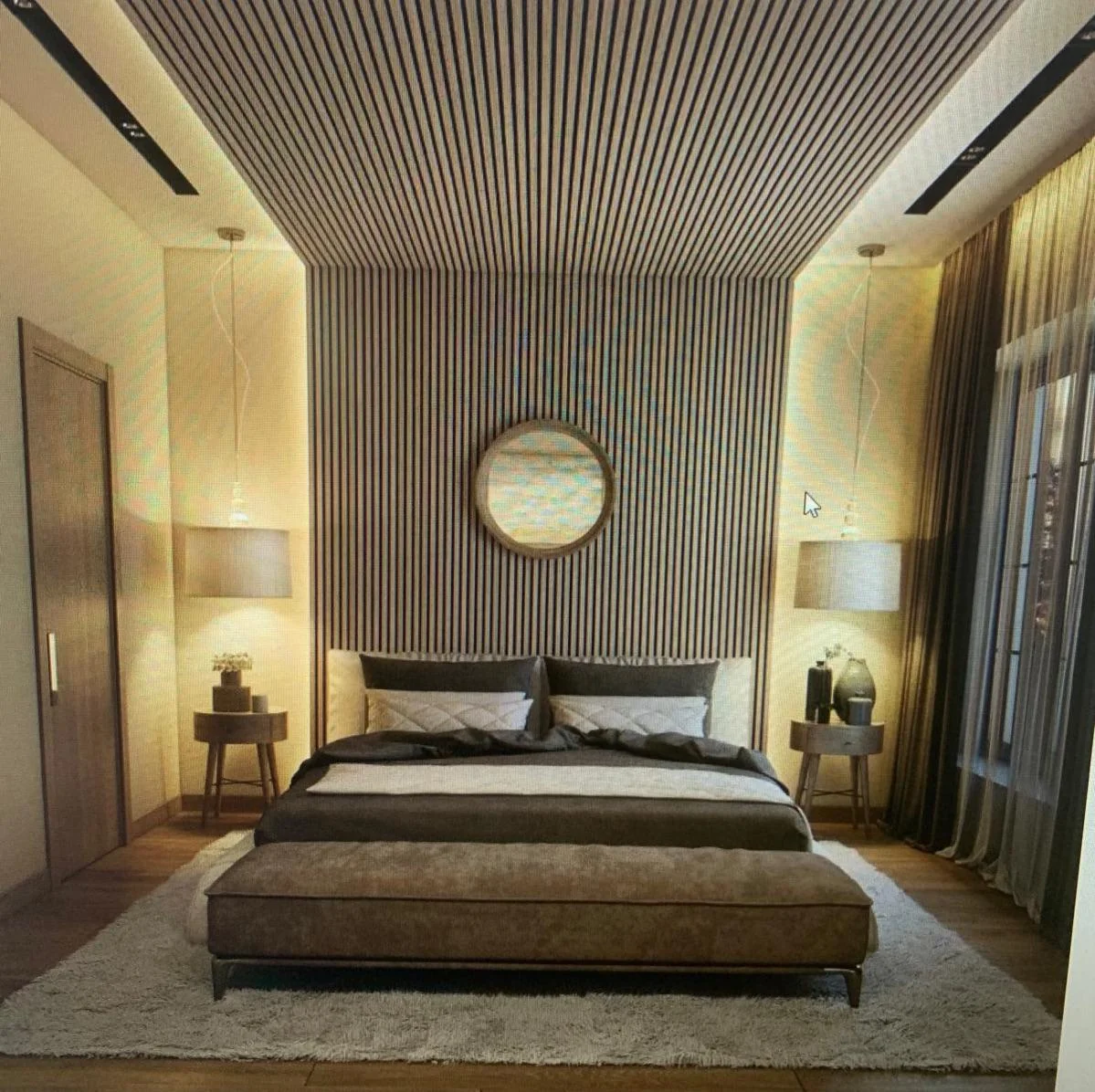
What is Paneling?
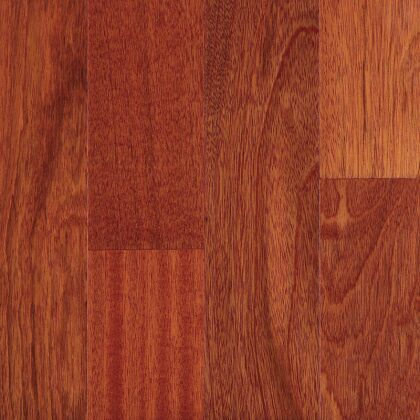
Paneling is the process of covering walls with thin boards or sheets of wood to give a room a warm, cozy feel. It can transform a plain room into a stunning space, adding both style and character. Whether you’re looking to create a rustic cabin vibe or a sleek modern look, wood paneling can help you achieve your design goals.
Why Choose Wood Paneling?
Wood paneling offers several benefits. It’s durable, easy to install, and provides excellent insulation. Plus, wood adds a natural aesthetic that can make your space feel inviting. With a variety of wood types and finishes available, you can customize your paneling to fit your style.
Overview of Cost Analysis
Before diving into a paneling project, it’s essential to conduct a thorough cost analysis. This analysis will help you understand how much you can expect to spend on materials, labor, and other expenses, ensuring you stay within budget.
Factors Affecting Cost
Type of Wood
The type of wood you choose significantly impacts the cost. Common options include:Pine: Affordable and readily available.
Oak: More expensive but offers durability and a classic look.
Cedar: Great for its natural resistance to moisture but can be pricier.
Quality of Materials
Not all wood is created equal. Higher-quality wood may cost more upfront but can save you money in the long run due to its durability. Additionally, consider the finish and sealants you’ll need, as these can affect the overall price.
Labor Costs
Labor costs can vary widely based on your location and the complexity of the installation. Hiring a professional can save you time and ensure a polished finish, but it’s essential to get estimates from multiple contractors to find a fair price.
Geographic Location
Your location can affect the cost of materials and labor. Urban areas typically have higher labor costs, while rural areas might offer lower rates but limited material options. Always research local pricing to get an accurate estimate.
Cost Analysis Techniques
Direct Costs vs. Indirect Costs
When analyzing costs, distinguish between direct costs (materials and labor) and indirect costs (overhead, permits, etc.). Both are important for a comprehensive understanding of your project’s budget.
Comparing Different Wood Types
Research the price differences between various wood types. For example, while pine is cheaper, oak may offer better longevity. Weigh the costs against your long-term needs to make the best decision.
Evaluating Labor Rates
Labor rates can vary based on experience and demand. Always ask for quotes and check reviews to ensure you’re getting quality work at a reasonable price.
Cost Analysis Tools
Estimation Software
Using estimation software can simplify your cost analysis. These tools often come with built-in calculators and can help you track your expenses efficiently.
Online Cost Calculators
Many websites offer cost calculators tailored for home improvement projects. Input your room dimensions and desired materials to get a quick estimate of your project costs.
Spreadsheets for Budgeting
Creating a budget spreadsheet can help you track all costs associated with your project. List out all expected expenses, and update the spreadsheet as you go to monitor your spending.
Cost Analysis Methods
Bottom-Up Estimating
This method involves estimating the cost of individual components before adding them together for a total project cost. This approach can provide a detailed breakdown and highlight areas where you might save money.
Top-Down Estimating
In contrast, top-down estimating starts with a total budget and breaks it down into individual components. This can be useful if you have a fixed budget to work with.
Comparative Analysis
Analyzing similar projects can provide insight into what to expect. Look for case studies, forums, or blogs that detail the costs associated with similar paneling projects.
Step-by-Step Cost Breakdown
Material Costs
For a 12×12 room, the cost of materials can vary based on wood type. Here’s a rough estimate:Pine: $400 – $600
Oak: $800 – $1,200
Cedar: $600 – $900
Labor Costs
Depending on your location and the complexity of the job, labor costs can range from $300 to $800 for installation.
Additional Expenses (Tools, Supplies)
Don’t forget to factor in tools and supplies, such as nails, adhesive, and finish. This can add another $100 to $300 to your overall cost.
Budgeting for Your Project
Setting a Realistic Budget
Before starting your project, establish a budget based on your cost analysis. Be realistic about your financial limits and try to stick to them.
Contingency Funds
It’s wise to set aside a contingency fund of 10-20% of your total budget for unexpected expenses. This extra cushion can help you avoid financial stress.
Tracking Expenses
Keep a detailed record of all your expenses throughout the project. This will help you stay within budget and identify any areas where you might have overspent.
DIY vs. Hiring a Contractor
Pros and Cons of DIY
Pros:
Cost savings on labor
Full control over the project
A sense of accomplishment
Cons:
Time-consuming
Requires tools and skills
Potential for mistakes
Finding a Reliable Contractor
If you decide to hire a contractor, take the time to research and find a trustworthy professional. Ask for referrals, check reviews, and get multiple quotes to ensure you’re making the right choice.
Cost Comparison
Weigh the cost of doing it yourself against hiring a contractor. While DIY might save money, consider your skill level and the value of your time when making this decision.
Key Takeaways
Summary of Costs
To panel a 12×12 room, expect to spend anywhere from $800 to $2,000, depending on your choices in materials and labor.
Importance of Cost Analysis
Conducting a thorough cost analysis helps you understand your financial commitment and avoid surprises as your project progresses.
Resources for Further Learning
Explore DIY home improvement blogs, YouTube tutorials, and local workshops to enhance your knowledge and skills before starting your paneling project.
Frequently Asked Questions (FAQ)
How much does wood paneling typically cost?
The cost can range from $800 to $2,000 for a 12×12 room, depending on materials and labor.
What types of wood are best for paneling?
Pine, oak, and cedar are popular choices, each offering different aesthetics and price points.
Can I save money by doing it myself?
Yes, but consider your skills and available time before diving into a DIY project.
How long does it take to panel a room?
The time required can vary, but expect anywhere from a few hours to a couple of days, depending on your experience and resources.
Are there any hidden costs to be aware of?
Yes, always factor in additional expenses like tools, supplies, and potential repairs needed prior to installation.
Conclusion
Final Thoughts on Your Paneling Project
Paneling your 12×12 room with wood can be a rewarding project that enhances your home’s beauty and value. With careful planning and a solid cost analysis, you can achieve your desired results without breaking the bank.
Encouragement to Start Your Project
So go ahead, gather your materials, and get started on creating a space you’ll love. Remember, the journey of home improvement is just as important as the finished product! Happy paneling!