Why Choose the Right Wood for Cutting Boards?
When it comes to cutting boards, you might think any wood will do. However, choosing the right wood species can make a huge difference in your cooking experience. A good cutting board not only helps you prepare food efficiently but also keeps your knives sharp and your kitchen looking great. Different types of wood come with a variety of characteristics that can affect their durability, maintenance, and aesthetics. That’s why it’s essential to consider your options carefully.
Overview of Maple, Walnut, and Cherry
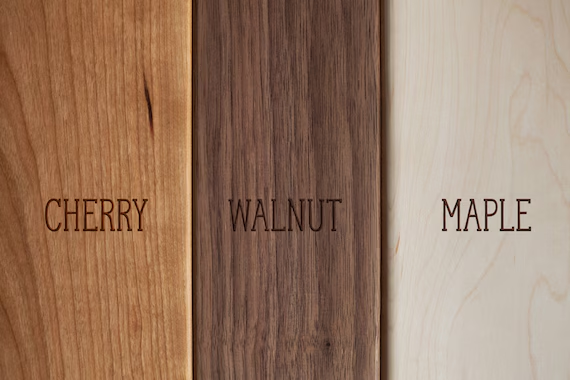
In this blog post, we will compare three popular types of wood for cutting boards: maple, walnut, and cherry. Each of these wood species has its own unique properties, advantages, and disadvantages. By the end of this article, you’ll have a clearer idea of which wood will suit your needs best.
Understanding Wood Species
What Are Hardwood and Softwood?
Before diving into the specifics of these wood types, it’s important to know the difference between hardwood and softwood. Hardwoods come from deciduous trees, which lose their leaves in winter, while softwoods come from coniferous trees, which usually have needles and cones.
Key Characteristics of Hardwood vs. Softwood
Hardwoods are generally denser, more durable, and more resistant to scratching and damage. They are ideal for cutting boards.
Softwoods are often lighter and easier to work with but may not withstand heavy use. They can be more prone to dents and scratches.
Now that we understand the basics, let’s take a closer look at maple, walnut, and cherry as cutting board materials.
Maple as a Cutting Board Material
Properties of Maple Wood
Maple is one of the most popular choices for cutting boards. It features a light, creamy color with a fine, uniform grain, making it both attractive and functional. Maple is a very hard wood, which means it can withstand heavy chopping and slicing.
Advantages of Using Maple for Cutting Boards
Durability: Maple is extremely durable and resistant to knife marks, making it an excellent choice for daily use.
Non-porous: Its tight grain structure makes it less likely to absorb moisture and odors, keeping your food safer.
Affordable: Compared to walnut and cherry, maple is often more budget-friendly, making it a great value.
Disadvantages of Maple for Cutting Boards
Stains: Although it is resistant to moisture, maple can stain over time, especially if not properly cared for.
Color: Its lighter color might not suit everyone’s kitchen aesthetics, depending on your design preferences.
Walnut as a Cutting Board Material
Properties of Walnut Wood
Walnut is known for its rich, dark color and beautiful grain patterns. This hardwood is slightly softer than maple but still provides good durability for cutting boards.
Advantages of Using Walnut for Cutting Boards
Aesthetics: Walnut’s deep hues and striking grain patterns make it a stunning centerpiece in any kitchen.
Self-healing: Slightly softer than maple, walnut can “self-heal” from minor cuts, giving it a longer lifespan.
Natural oils: Walnut has natural oils that help resist moisture and bacteria, making it a safe choice for food preparation.
Disadvantages of Walnut for Cutting Boards
Price: Walnut tends to be more expensive than maple, which might not fit every budget.
Maintenance: It may require more frequent oiling to keep it in top condition, as it can dry out more quickly.
Cherry as a Cutting Board Material
Properties of Cherry Wood
Cherry wood is known for its warm, reddish tones and smooth grain. It is slightly softer than both maple and walnut but still provides a good cutting surface.
Advantages of Using Cherry for Cutting Boards
Aesthetic Appeal: Cherry develops a rich patina over time, enhancing its beauty and character.
Gentle on Knives: Being softer than maple and walnut, it’s gentler on your knife blades, which can help them stay sharper longer.
Natural resistance: Cherry has natural antibacterial properties that can help keep your cutting surface clean.
Disadvantages of Cherry for Cutting Boards
Durability: Because it is softer, cherry may show knife marks and scratches more easily.
Color changes: Cherry wood can darken over time, which may or may not be desirable depending on your taste.
Comparing Durability and Maintenance
How Durable Are Maple, Walnut, and Cherry?
Maple: Extremely durable and resistant to scratches. Ideal for heavy use.
Walnut: Durable, but slightly softer than maple. Good for regular use.
Cherry: Softer than both maple and walnut, making it less ideal for heavy chopping.
Maintenance Tips for Each Wood Type
Maple: Clean with mild soap and water. Oil regularly to keep it from drying out.
Walnut: Use a gentle cleaner and apply food-safe mineral oil to maintain its luster.
Cherry: Similar to walnut, but be cautious with heat and moisture, as it can warp more easily.
Aesthetic Appeal of Each Wood Species
Color and Grain Patterns of Maple
Maple has a light, creamy appearance with a subtle grain, giving it a clean and modern look. It works well in bright kitchens.
Color and Grain Patterns of Walnut
Walnut boasts rich dark tones and striking grain patterns, providing a luxurious appearance perfect for traditional or rustic kitchens.
Color and Grain Patterns of Cherry
Cherry’s warm reddish hue and smooth grain make it a favorite for those who appreciate a classic, timeless look.
Price Comparison of Maple, Walnut, and Cherry
Cost Factors for Each Wood Species
Maple: Generally the most affordable option, making it a popular choice for many households.
Walnut: Higher price point due to its luxurious look and feel.
Cherry: Mid-range in price, but can vary depending on quality and sourcing.
Best Value for Your Money
If you’re looking for durability and budget-friendliness, maple is your best bet. If aesthetics and a unique look are your priorities, consider walnut or cherry.
Eco-Friendliness and Sustainability
Sourcing and Sustainability of Maple
Maple is often sourced from North America, and many suppliers practice sustainable forestry. It’s a great eco-friendly option.
Sourcing and Sustainability of Walnut
Walnut is more challenging to source sustainably, as it is slower-growing and less abundant than maple. Always check for certified sustainable options.
Sourcing and Sustainability of Cherry
Cherry also comes from sustainable sources, but like walnut, it can be affected by overharvesting. Look for certified wood to ensure eco-friendliness.
Conclusion
Recap of Key Points
In summary, when choosing between maple, walnut, and cherry for your cutting board, consider the following:Maple: Durable, budget-friendly, and low-maintenance, but may stain.
Walnut: Beautiful and self-healing, but pricier and requires more care.
Cherry: Aesthetically pleasing and gentle on knives, but less durable.
Making Your Final Decision
Your choice ultimately depends on your personal preferences, aesthetic desires, and budget. Consider how you cook and what look you want in your kitchen.
Key Takeaways
Summary of Features and Benefits
Maple: Best for durability and cost-effectiveness.
Walnut: Perfect for those who appreciate beauty and are willing to invest.
Cherry: Great for aesthetics and knife care, though slightly less durable.
Choosing the Best Wood for You
Now that you’re equipped with all this information, you can confidently choose the best wood species for your cutting board. Whether you go with maple, walnut, or cherry, you can’t go wrong with any of these beautiful options.
Frequently Asked Questions (FAQ)
What is the best wood for cutting boards?
While each wood type has its merits, maple is often recommended for its durability and affordability, making it a top choice for cutting boards.
How do I care for my cutting board?
To care for your cutting board, wash it with mild soap and water, dry it immediately, and apply food-safe mineral oil regularly to maintain its condition.
Can I use my cutting board for raw meat?
Yes, you can use your cutting board for raw meat, but it’s essential to keep it clean and disinfect it after use to prevent cross-contamination.