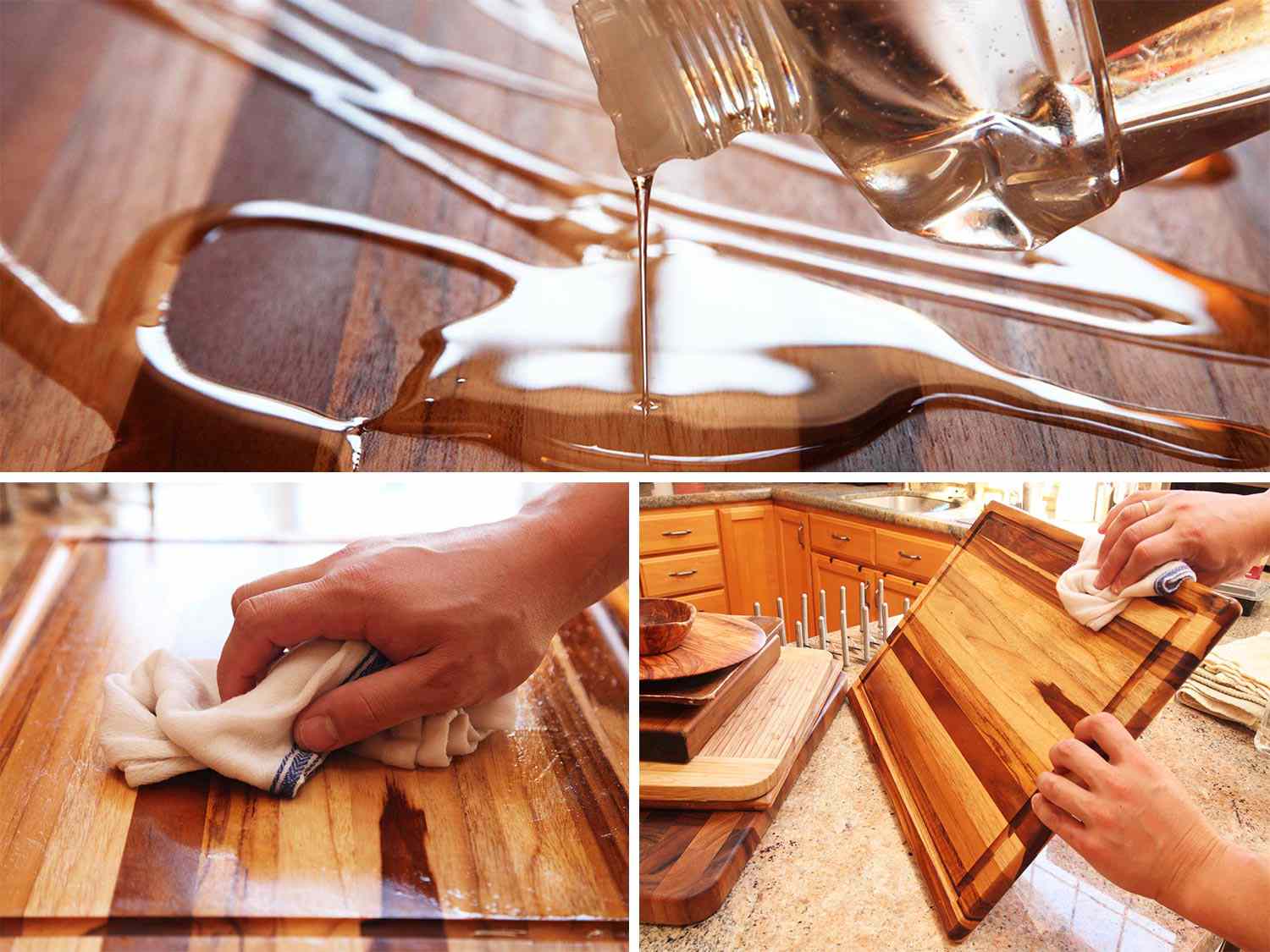
Are you tired of your cutting boards warping or cracking due to moisture?
If you’re like many home cooks, you value your cutting boards as essential kitchen tools. However, nothing is more frustrating than watching a beautiful cutting board become warped and damaged due to moisture. In this post, we’ll explore the various types of wood that offer natural moisture resistance, how to maintain your cutting boards, and tips for ensuring they last for years to come.
—
Understanding Moisture Resistance
What is Moisture Resistance?
Moisture resistance refers to a material’s ability to withstand water or humidity without degrading. In the context of cutting boards, this is crucial because moisture can lead to warping, cracking, and bacterial growth.
Why is Moisture Resistance Important for Cutting Boards?
Choosing a moisture-resistant wood for your cutting board means you’re investing in durability. A board that can resist moisture will not only last longer but will also help maintain the quality of your food. This resistance is vital for a clean and safe cooking environment, as it minimizes the risk of bacteria and odors developing in the wood.
—
Types of Wood with Natural Moisture Resistance
When it comes to selecting a cutting board, some woods are naturally more resistant to moisture than others. Here are a few of the best options:
Teak: The Gold Standard
Teak wood is known for its high oil content, making it incredibly resistant to water. Its natural oils also help prevent stains and odors. If you want a cutting board that will last and look stunning, teak is a top choice.
Bamboo: A Sustainable Choice
While technically a grass, bamboo is a popular option for cutting boards due to its density and moisture resistance. It is also an eco-friendly choice, as bamboo grows quickly and can be harvested sustainably.
Cedar: Aromatic and Durable
Cedar has a unique aromatic quality and offers good moisture resistance. This wood can help keep your kitchen smelling fresh while being effective in resisting warping.
Maple: A Classic Favorite
Maple wood is often used in professional kitchens. It has moderate moisture resistance and is less prone to knife marks compared to softer woods. While it requires more maintenance, its durability makes it a classic choice.
—
Assessing Water-Resistant Materials
What Makes a Material Water-Resistant?
The water resistance of wood comes from its cellular structure. Denser woods tend to absorb less moisture. Additionally, certain species of wood produce natural oils that repel water.
Comparing Wood to Other Materials
While plastic and glass cutting boards are popular for their ease of cleaning, they lack the aesthetic and tactile qualities of wood. Wood cutting boards can be more forgiving on knife edges and are less prone to slipping during use.
—
Humidity Protection for Your Cutting Board
Understanding Humidity and Its Effects
Humidity can be a significant factor affecting your cutting board’s longevity. High humidity can lead to swelling, while low humidity can cause drying and cracking.
Best Practices for Humidity Control at Home
Store your cutting board in a dry place: Avoid placing it near sinks or dishwashers.
Use a dehumidifier: If you live in a particularly humid area, consider using a dehumidifier in your kitchen.
Keep it clean and dry: After washing your cutting board, always dry it thoroughly before storing it.
—
Moisture Barrier Solutions for Cutting Boards
Natural Oils and Their Benefits
Applying natural oils, like mineral oil or food-safe coconut oil, creates a moisture barrier that helps protect the wood. These oils penetrate the wood, preventing water from seeping in and causing damage.
Commercial Sealants: Which Ones Work Best?
If you prefer a more durable solution, consider using food-safe commercial sealants designed for wood. Look for products specifically labeled for cutting boards to ensure safety.
DIY Moisture Barriers: Recipes and Tips
You can also make your own moisture barrier using a mix of beeswax and mineral oil. Melt the beeswax, mix it with the mineral oil, and apply it to your cutting board for a homemade solution.
—
Damp-Proofing Techniques for Longevity
Proper Cleaning Techniques
When cleaning your cutting board, avoid soaking it in water. Instead, use a damp cloth or sponge with mild soap. Rinse and dry it immediately to prevent moisture absorption.
Drying Methods to Avoid Damage
After washing, always air-dry your cutting board standing up. Avoid placing it flat on a towel, as this can trap moisture and lead to warp.
—
Waterproofing Products: What to Look For
Types of Waterproofing Products
There are various waterproofing products available, including oils, waxes, and sealants. Ensure that any product you choose is food-safe and designed for use with kitchen utensils.
How to Choose the Right Product for Your Board
When selecting a waterproofing product, consider the type of wood your board is made from. For example, oily woods like teak may require less frequent treatment compared to maple.
—
Moisture Control Strategies for Cutting Board Maintenance
Regular Maintenance Routines
Establishing a routine for oiling your cutting board is crucial. Aim to treat it every 1-3 months, depending on usage.
Seasonal Tips for Protecting Your Board
Winter: Use more oil during the dry winter months to prevent cracking.
Summer: Monitor humidity levels and adjust your storage to prevent moisture damage.
—
Key Takeaways for Cutting Board Care
Recap of the Best Water-Resistant Woods
Teak: High oil content, extremely durable.
Bamboo: Sustainable and dense.
Cedar: Aromatic and moisture-resistant.
Maple: Classic, moderate moisture resistance.
Summary of Effective Maintenance Strategies
Keep your board clean and dry.
Apply natural oils regularly.
Store in a dry, safe location.
—
Frequently Asked Questions
How often should I treat my cutting board?
You should treat your cutting board with oil every 1-3 months, depending on usage.
Can I use my cutting board for both raw and cooked foods?
Yes, as long as you clean it properly between uses. Consider having separate boards for raw meats and other foods to avoid cross-contamination.
What should I do if my cutting board starts to warp?
If your cutting board warps, try placing it in a humid environment for a short time to help it return to its original shape. Regular oil treatments can also help prevent warping.
Are there any wood types I should avoid?
Avoid softwood types like pine or fir, as they are more prone to damage and may absorb moisture more easily.
—
Conclusion
Choosing the right wood for your cutting board is essential for maintaining its longevity and moisture resistance. By understanding the best types of wood, implementing effective maintenance strategies, and using moisture barriers, you can keep your cutting board in excellent condition for years to come. Enjoy your cooking adventures with a cutting board that stands the test of time!