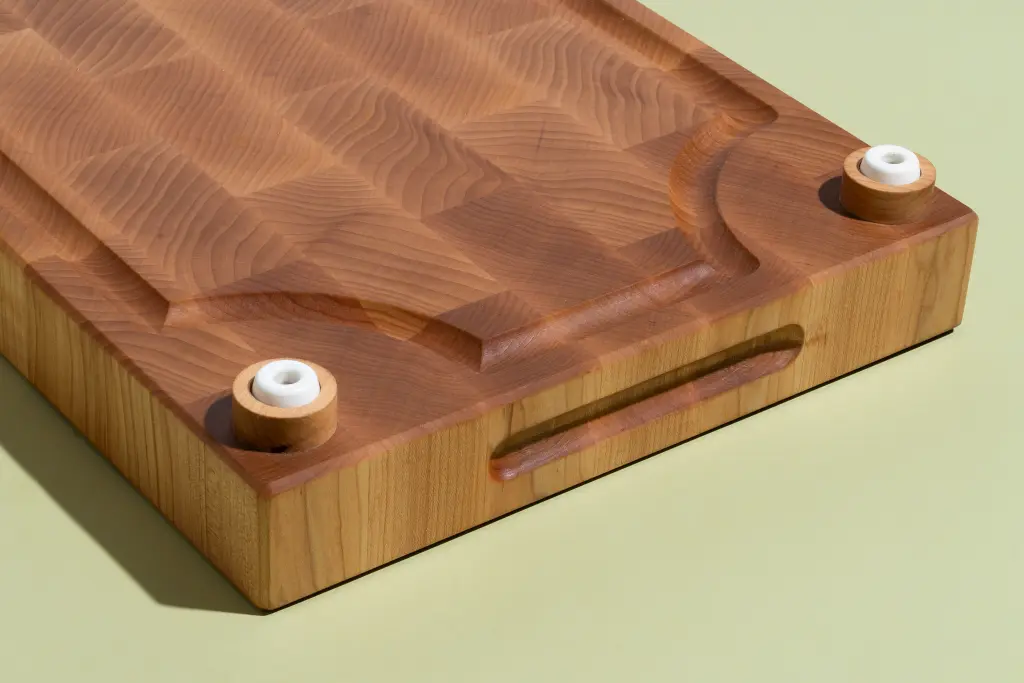
Are You Looking for Affordable Hardwoods for Your Cutting Board?
If you love cooking, you probably know the importance of having a good cutting board. Maple cutting boards are a favorite among chefs and home cooks alike for their durability and beauty. However, they can also be pricey! Luckily, there are several affordable hardwood alternatives to maple cutting boards that can save you money while still providing excellent performance. In this blog post, we will explore these budget-friendly hardwoods and help you find the perfect cutting board for your kitchen.
Why Choose Hardwood for Cutting Boards?
Durability and Longevity
One of the main reasons to choose hardwood for your cutting board is its durability. Hardwoods are dense and tough, which means they can withstand the wear and tear of daily use. Unlike softer woods, hardwoods are less likely to warp or get damaged over time. This makes them a great investment for your kitchen.
Knife Friendliness
Another significant benefit of hardwood is its knife friendliness. Hardwoods are gentle on your knives, helping to keep their edges sharp. This is especially important for those who love to cook and rely on their knives for precision.
Aesthetic Appeal
Finally, hardwood cutting boards come with a beautiful natural finish. The grains and colors of hardwoods can add a touch of elegance to your kitchen. Whether you’re displaying it on your countertop or using it to serve guests, a hardwood cutting board is as much a work of art as it is a kitchen tool.
The Benefits of Choosing Affordable Alternatives
Cost-Effectiveness
When it comes to cost-effectiveness, affordable hardwood alternatives can save you a significant amount of money without sacrificing quality. You can find excellent options that will serve you well for years while keeping your budget intact.
Accessibility
Another advantage is the accessibility of budget-friendly hardwoods. Many local lumberyards and home improvement stores carry a variety of hardwoods at lower prices than maple. You can also find great options online, making it convenient to shop from home.
Eco-Friendliness
Many of the affordable hardwoods are also sustainable. For instance, woods like bamboo and rubberwood come from renewable resources, making them great choices for environmentally-conscious consumers.
Top Affordable Hardwood Alternatives to Maple
Birch
Birch is a light-colored hardwood that is known for its smooth surface and durability. It resists scratching and is easy to clean, making it a practical choice for cutting boards.
Beech
Beech wood is another excellent option. It has a fine, even grain and is quite strong. However, beech can be slightly more prone to staining than other woods, so it requires a bit more care.
Rubberwood
Rubberwood is a sustainable choice that comes from rubber trees. It’s known for its durability and resistance to moisture, making it perfect for cutting boards. Plus, it’s usually cheaper than many other hardwoods!
Acacia
Acacia is a beautiful wood with a rich, warm tone. It’s highly resistant to water and has natural antibacterial properties. This makes acacia not just visually appealing but also an excellent choice for food prep.
Bamboo
Though technically a grass, bamboo is often categorized with hardwoods due to its strength and durability. Bamboo cutting boards are lightweight and easy to maintain. They’re also eco-friendly, as bamboo grows quickly and is renewable.
Comparison of Budget-Friendly Maple Substitutes
Price Comparison
When comparing prices, hardwoods like birch and rubberwood typically cost less than maple. Beech and acacia can be in a similar price range, while bamboo is often the most budget-friendly option.
Performance Comparison
In terms of performance, all these woods are durable. However, maple has a long-standing reputation for being the best in terms of knife care. That said, many substitutes perform exceptionally well and will keep your knives in good shape with proper care.
Maintenance Requirements
Maintenance varies between these woods. For example, bamboo requires less oiling, while beech and acacia may need more regular upkeep to prevent drying out.
Tips for Choosing the Right Cutting Board
Size and Thickness Considerations
Before buying a cutting board, think about the size and thickness that suit your needs. A thicker board will provide more stability, while a lighter board may be easier to move and store.
Grain Direction
The grain direction of the wood is also essential. End grain boards are more durable and easier on knives, but they may be pricier. Face grain boards are more common and typically less expensive.
Finish and Treatment
When selecting a cutting board, look for one that has been treated with food-safe finishes. This will help protect the wood and keep it looking great over time.
Caring for Your Affordable Hardwood Cutting Board
Cleaning Techniques
To extend the life of your cutting board, use simple cleaning methods. Wash it with warm, soapy water and avoid soaking it. Always dry it immediately to prevent warping.
Oiling and Maintenance
Regular oiling is important. Use a food-safe mineral oil to keep the wood hydrated. Oiling every few months will help maintain the board’s appearance and functionality.
Preventing Damage
To avoid warping and cracking, keep your cutting board away from extreme temperatures and moisture. Store it in a cool, dry place and avoid putting it in the dishwasher.
Cost-Saving Tips for Buying Cutting Boards
Where to Buy
You can find affordable cutting boards at various retailers, including big-box stores, specialty kitchen shops, and online marketplaces.
Sales and Discounts
Timing your purchase can lead to great savings. Keep an eye out for seasonal sales, holiday promotions, or clearance events to snag a good deal.
DIY Options
If you’re feeling crafty, consider making your own cutting board. This can be a fun project and allows you to customize it to your liking, often at a lower cost.
Key Takeaways
Choosing an affordable hardwood alternative to maple can provide you with a beautiful and functional cutting board without breaking the bank. Options like birch, beech, rubberwood, acacia, and bamboo offer great performance and aesthetic appeal. Remember to consider size, grain direction, and maintenance needs when making your selection.
Frequently Asked Questions (FAQ)
What is the best budget option for a cutting board?
Bamboo is often considered the best budget option for a cutting board due to its low cost and excellent durability.
How do I know if a hardwood is food-safe?
Look for hardwoods that are labeled as food-safe or treated with food-safe finishes. Always check the product description or packaging.
Can I use my cutting board for both meat and vegetables?
Yes, you can use your cutting board for both meat and vegetables. However, it’s best practice to have separate boards to prevent cross-contamination.
How often should I replace my cutting board?
With proper care, a good-quality cutting board can last for years. Replace it when you notice deep grooves, cracks, or if it retains odors.
Conclusion
Finding affordable hardwoods for cutting boards doesn’t mean you have to compromise on quality. With options like birch, beech, rubberwood, acacia, and bamboo, you can enjoy a beautiful and functional cutting board that fits your budget. So, why not explore these alternatives beyond maple? Your kitchen will be better for it! Happy cooking!