Introduction: Why Choose End Grain Cutting Boards?
When it comes to cutting boards, you might be wondering why everyone seems to be raving about end grain boards. They are not only beautiful but also incredibly functional. Let’s dive into what makes them stand out.
What is an End Grain Cutting Board?
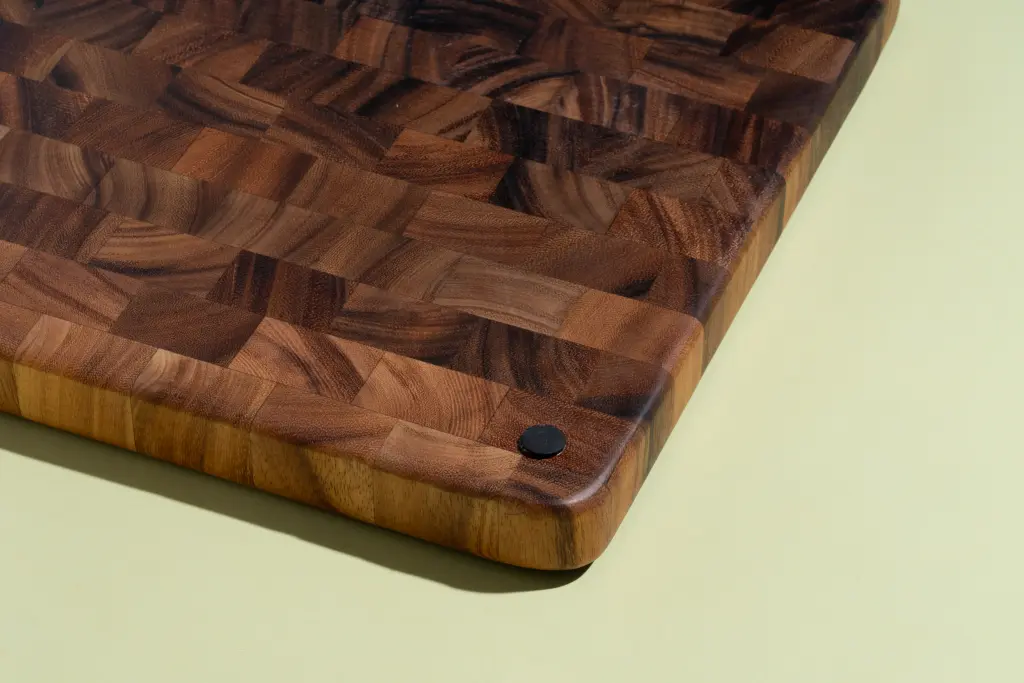
An end grain cutting board is made from the ends of wood pieces, allowing the grain to stand upright. This construction gives the board a unique look and offers several advantages that you won’t find with other types of boards.
Benefits of End Grain vs. Edge Grain
End grain boards have several benefits over edge grain boards:Self-Healing Properties: The wood fibers can close up after being cut, making the board last longer.
Gentler on Knives: They tend to be easier on your knife edges, meaning less frequent sharpening.
Durability: End grain boards can withstand heavy use without showing wear and tear as quickly as other types.
Why Wood Species Matters
The type of wood you choose for your cutting board can significantly affect its performance. Different species offer varying levels of durability, aesthetics, and maintenance needs. Let’s explore what makes an ideal wood for your end grain cutting board.
Key Characteristics of Ideal Cutting Board Wood
Durability and Hardness
When selecting wood for your cutting board, durability and hardness are crucial. Hardwoods like maple and walnut offer excellent resistance to cuts and scratches.
Resistance to Bacteria
Bacteria resistance is another important factor. Some woods have natural antibacterial properties, which can help keep your food safe.
Ease of Maintenance
You want a cutting board that is easy to care for. Look for woods that require minimal upkeep and are simple to clean.
Top Hardwoods for End Grain Cutting Boards
Maple: The Classic Choice
Maple is a top choice for cutting boards because of its hardness and fine grain. It’s resistant to scratches and has natural antibacterial properties. Plus, it has a light, neutral color that works well in any kitchen.
Walnut: Rich and Beautiful
Walnut is not only durable but also stunning. Its dark, rich color adds elegance to your kitchen. Walnut boards are also gentle on knives, making them a favorite among chefs.
Cherry: Warm and Inviting
Cherry wood has a warm, reddish hue that deepens over time, adding character to your cutting board. It’s moderately hard and has a smooth surface, making it easy to clean and maintain.
Exotic Wood Species Worth Considering
Teak: Durable and Water-Resistant
Teak is known for its durability and natural oils that make it resistant to water. This makes it an excellent choice for those who might use their cutting board for more than just chopping vegetables.
Mahogany: Elegant and Strong
Mahogany offers a beautiful reddish-brown color and is quite strong. It’s a bit softer than other hardwoods, but it still makes for a lovely cutting board, especially for those who prefer a more tropical look.
Padauk: Bold and Colorful
Padauk wood is famous for its vibrant orange-red color. It’s strong and durable, making it a great option for an eye-catching cutting board that will also last.
Comparing Hardwoods for End Grain Boards
Hardness Ratings of Popular Woods
Here’s a quick overview of the hardness of popular woods:Maple: 1450 Janka hardness
Walnut: 1010 Janka hardness
Cherry: 950 Janka hardness
Teak: 1000 Janka hardness
Mahogany: 800 Janka hardness
Padauk: 1725 Janka hardness
Cost Comparison of Various Woods
The cost can vary significantly depending on the wood species you choose. Generally, maple tends to be more affordable, while exotic woods like teak and padauk may be pricier.
Aesthetics: What Looks Best in Your Kitchen?
Think about how each wood species will look in your kitchen. If you prefer a classic kitchen, maple might be your best bet, while walnut adds a touch of sophistication.
Environmental Considerations in Wood Selection
Sustainably Sourced Woods
Whenever possible, opt for sustainably sourced woods. This ensures that you’re not harming the environment while enjoying your new cutting board.
Certifications to Look For
Look for certifications like the FSC (Forest Stewardship Council) label, which indicates that the wood has been harvested sustainably.
Local vs. Imported Woods
Consider using local woods to reduce your carbon footprint. Not only is this better for the environment, but it often supports local economies as well.
Caring for Your End Grain Cutting Board
Cleaning and Maintenance Tips
To keep your end grain cutting board looking its best, clean it with mild soap and warm water after each use. Avoid soaking it, as too much water can warp the wood.
Oiling Your Board: What to Use
Regularly oil your board with food-safe mineral oil or beeswax to maintain its appearance and protect it from moisture.
Repairing Scratches and Dents
If your board gets scratched or dented, you can sand it down gently to smooth the surface. Reapply oil afterward to protect the newly sanded area.
Common FAQs About Cutting Board Woods
Can I Use Softwoods for Cutting Boards?
While you can use softwoods, they are generally less durable and more prone to scratching and absorbing moisture. Hardwoods are a better choice for longevity.
How Do I Know if My Board is Food Safe?
Ensure your cutting board is made from food-safe wood species and is treated with food-safe oils or finishes.
What Is the Best Thickness for End Grain Boards?
A thickness of 1.5 to 2 inches is ideal for end grain cutting boards. This thickness provides stability and durability.
Key Takeaways
Summary of Best Wood Species
The best wood species for end grain cutting boards include maple, walnut, cherry, teak, mahogany, and padauk. Each has its unique characteristics, so consider what’s most important to you.
Final Tips for Choosing Your Board
Don’t rush your decision. Think about your kitchen’s style, how you’ll use the board, and your maintenance preferences.
Importance of Quality in Cutting Boards
Investing in a high-quality cutting board can enhance your cooking experience and last for years if cared for properly.
Conclusion: Making the Right Choice for Your Kitchen
Choosing the best wood for your end grain cutting board can be a rewarding journey. Consider the key points we discussed, from the benefits of end grain boards to the various wood species available.
Recap of Key Points
End grain boards are durable and gentle on knives.
Hardwoods like maple and walnut are excellent choices.
Sustainable sourcing is essential for environmental health.
Encouragement to Explore Different Woods
Don’t hesitate to explore different wood types. Each has something unique to offer, and you might find a favorite that complements your kitchen beautifully.
Your Next Steps in Cutting Board Construction
Now that you’re armed with knowledge, it’s time to either purchase your ideal cutting board or consider making one yourself. Happy cooking!