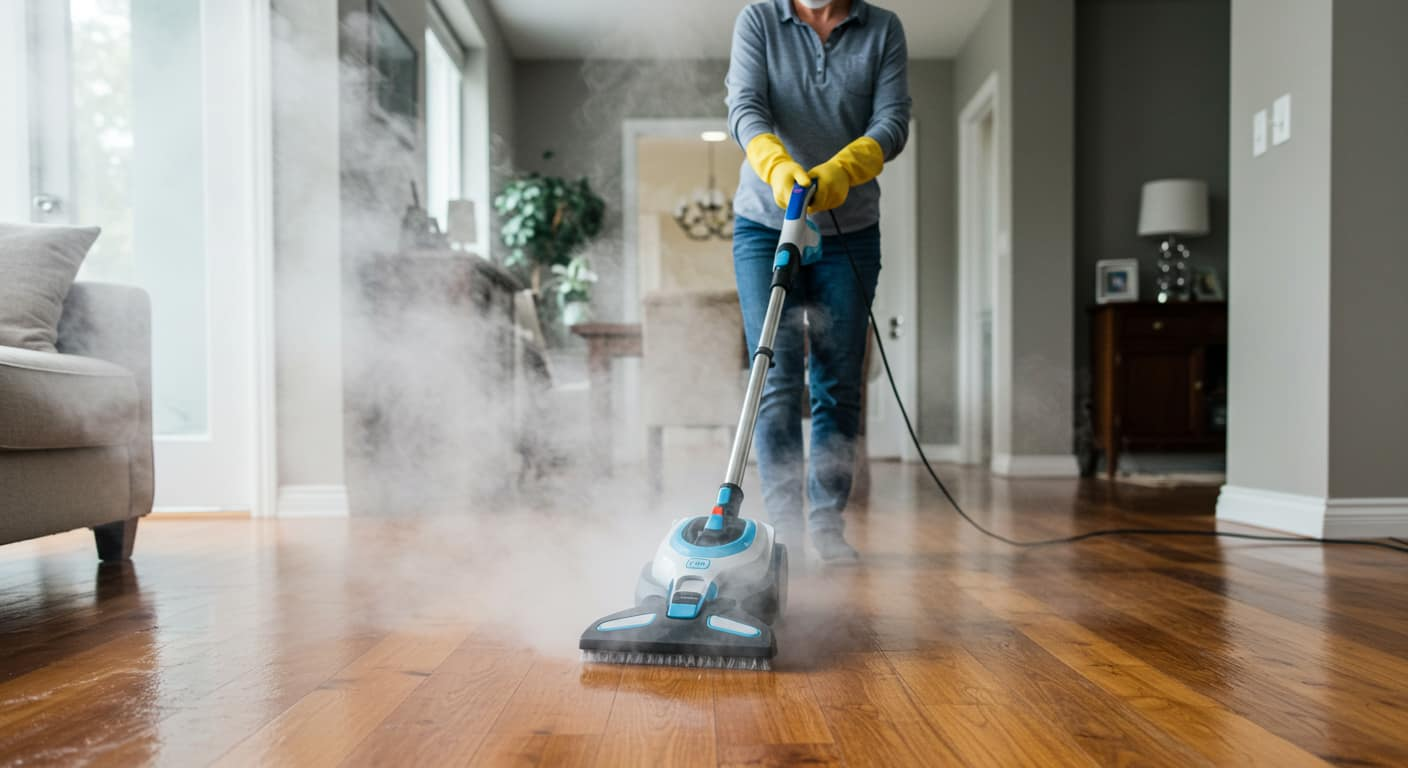
Introduction to Steam Mops and Hardwood Floors
What is a Steam Mop?
A steam mop is a cleaning appliance designed to sanitize and clean floors using steam. These mops heat water to create steam, which is then released onto the floor surface through a microfiber pad. The steam loosens dirt and grime, making it easier to wipe away, and can also kill bacteria and allergens. They have become a popular choice for many people looking to keep their homes clean with minimal effort.
Why Are Steam Mops Popular?
Steam mops are loved for their ability to clean without the need for harsh chemicals. They offer a fast and efficient way to clean various surfaces, including tile, laminate, and even some types of hardwood floors. Many people appreciate the convenience of using steam cleaning to sanitize their living spaces while being environmentally friendly.
Can You Use Steam Mops on Hardwood Floors?
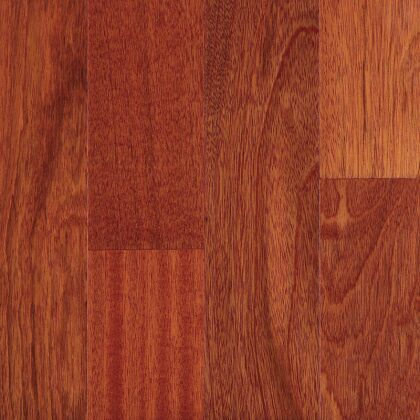
Understanding Your Hardwood Floor Type
Before you start cleaning your hardwood floors with a steam mop, it’s essential to understand the type of hardwood you have. There are different finishes on hardwood floors, including:Unfinished: These floors are more porous and can absorb moisture, making them unsuitable for steam cleaning.
Sealed: Most modern hardwood floors are sealed with polyurethane or other finishes, which can withstand some moisture.
Engineered Wood: This type of flooring has a veneer of real wood over a plywood base, making it more resistant to moisture than solid wood but still cautious.
Knowing your floor type will help you determine if a steam mop is safe for your home.
The Risks of Using Steam Mops
While steam mops can be effective, they come with risks, especially for hardwood floors. The heat and moisture can penetrate the seams and finish, potentially causing:Warps and Bows: Excessive moisture can lead to warping, which alters the appearance and stability of your floors.
Peeling Finish: The heat can cause the finish to lift or peel, leading to an uneven surface.
Discoloration: Some finishes may react poorly to steam, resulting in discoloration over time.
It’s crucial to weigh these risks before deciding to use a steam mop on your hardwood floors.
Expert Opinions on Steam Mops and Hardwood Floors
Insights from Flooring Professionals
We consulted several flooring experts who provided valuable insights into using steam mops on hardwood floors. Many professionals recommend avoiding steam mops unless your floor manufacturer explicitly states that it is safe to use them. They emphasize that while steam mops can clean effectively, the risks often outweigh the benefits.
Perspectives from Cleaning Experts
Cleaning experts generally agree that there are safer cleaning methods for hardwood floors. While steam mops can sanitize, they may not be suitable for regular cleaning. Many suggest using a damp mop with a pH-neutral cleaner designed specifically for hardwood surfaces to ensure safety and longevity.
How Steam Mops Work
The Science Behind Steam Cleaning
Steam cleaning works by heating water to a high temperature, producing steam that penetrates dirt and grime. This process loosens debris from surfaces, allowing the mop to wipe it away easily. The steam also helps to kill bacteria and viruses, making your home cleaner and safer.
Benefits of Steam Cleaning
Using a steam mop can provide several benefits, including:Chemical-Free Cleaning: Steam mops typically rely on heat and moisture rather than chemicals, making them an eco-friendly option.
Quick Drying: Because steam evaporates rapidly, floors dry quicker than when using traditional mops and buckets.
Versatility: Many steam mops come with attachments for cleaning other surfaces like carpets and upholstery.
Choosing the Right Steam Mop for Hardwood Floors
Features to Look For
If you decide to use a steam mop on your hardwood floors, consider these features:Adjustable Steam Settings: Look for a mop with multiple steam settings so you can control the amount of steam released.
Microfiber Pads: These pads are gentle on hardwood and effective at trapping dirt.
Lightweight Design: A lighter mop is easier to maneuver and reduces the risk of damage to your floors.
Best Steam Mops Recommended for Hardwood
Some steam mops have received positive reviews for their gentleness on hardwood floors, including:Bissell PowerFresh: Known for its adjustable steam settings and built-in scrubber.
Shark Genius: Offers a dual-sided cleaning pad and steam control.
O-Cedar Microfiber Steam Mop: Lightweight and effective for gentle cleaning.
Proper Technique for Using a Steam Mop
Preparing Your Hardwood Floors
Before using a steam mop, take a few steps to prepare:
1. Sweep or Vacuum: Remove loose dirt and debris from your floors to prevent scratches.
2. Check for Damage: Inspect your floors for any signs of damage or wear that could worsen with steam cleaning.
3. Test a Small Area: If it’s your first time, test the steam mop on a small, inconspicuous area to see how your floor reacts.
Step-by-Step Guide to Using a Steam Mop
1. Fill the steam mop with water and allow it to heat up according to the manufacturer’s instructions.
2. Start in a corner of the room and work your way toward the exit to avoid stepping on wet areas.
3. Use a slow, steady motion to guide the mop across the floor. Avoid lingering in one spot to prevent moisture damage.
4. Change the cleaning pad as needed, especially if it becomes dirty or saturated.
Alternatives to Steam Mops for Hardwood Floors
Traditional Mopping Methods
If you’re hesitant to use a steam mop, traditional mopping methods can be just as effective. Use a damp mop with a hardwood-safe cleaner. Here’s how:
1. Sweep or vacuum first to remove dirt.
2. Use a damp mop with a small amount of cleaner, wringing out excess water.
3. Wipe the floor in the direction of the wood grain.
Eco-Friendly Cleaning Solutions
You might also consider eco-friendly cleaning solutions, such as:Vinegar and Water: Mix one cup of white vinegar with a gallon of water for a natural cleaner.
Castile Soap: A few drops mixed with water can provide gentle cleaning without damaging your floors.
Common Mistakes When Using Steam Mops
Over-Using Steam
One common mistake is using too much steam or holding the mop in one spot for too long. This can lead to damage, including warping or peeling. Always use steam sparingly.
Ignoring Manufacturer Guidelines
Another mistake is ignoring the manufacturer’s guidelines for your floor. Always refer to the care instructions provided by the flooring manufacturer to ensure you’re cleaning safely.
Key Takeaways for Hardwood Floor Care
Quick Tips for Maintaining Hardwood Floors
Regularly sweep or vacuum to prevent dirt build-up.
Use a damp mop with a hardwood-safe cleaner for regular cleaning.
Avoid excessive moisture to protect your flooring.
Importance of Regular Maintenance
Regular maintenance is crucial for keeping your hardwood floors looking beautiful. A proactive approach will help you avoid costly repairs and ensure your floors last for years.
FAQs About Steam Mops and Hardwood Floors
Can Steam Mops Ruin Hardwood Floors?
Yes, steam mops can damage hardwood floors if used improperly or if the floor is not designed to withstand steam cleaning. Always check your flooring manufacturer’s recommendations.
How Often Should You Steam Clean Hardwood Floors?
If you choose to steam clean, it’s advisable to do so infrequently—perhaps once every few months. Regular maintenance should involve less intense cleaning methods.
Conclusion
In summary, while steam mops can be effective cleaning tools, they require careful consideration when used on hardwood floors. Always check your floor type and manufacturer recommendations before proceeding. If you do decide to use a steam mop, follow best practices to minimize the risk of damage.
We encourage you to share your experiences or questions about using steam mops on hardwood floors. Let’s keep the conversation going and help each other care for our homes!