How can you tell if that beautiful wood is real mahogany or just a clever look-alike? You see it in gorgeous heirloom furniture and fine woodworking projects. But with so many woods using the “mahogany” name, it can get confusing. Don’t worry! This friendly guide will walk you through the eight key traits experts use. Soon, you’ll be able to spot the real thing with confidence.
Why It Matters: The Value of Real Mahogany
You’ve probably heard of mahogany’s legendary reputation. For centuries, it’s been the top choice for master craftsmen. But here’s the catch: many other woods are sold under the mahogany name. Knowing how to spot the real thing protects your investment. It ensures you get the famous quality you’re paying for.
The key takeaway? Genuine mahogany is prized for its durability, rich color, and superb workability. Proper identification is essential to get these benefits.
The 8 Expert-Verified Traits of Authentic Mahogany
Let’s break down the specific, verifiable characteristics that set true mahogany apart. Look for these eight clues the next time you inspect a piece of wood.
1. The Color & Grain Story
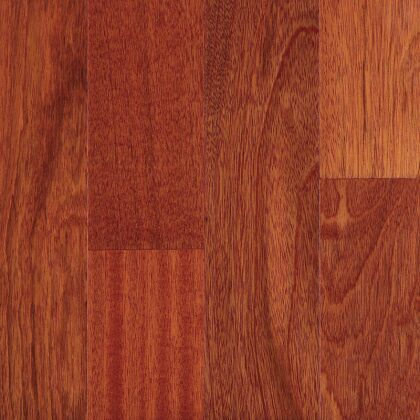
Color: Look for a classic reddish-brown heartwood. Think of tones ranging from a medium pinkish-brown to a deeper, rich red-brown. A key sign of real mahogany is that this color deepens and grows richer* with age and exposure to light.
Grain: The grain is typically straight and interlocked. This interlocking pattern gives the wood strength. Sometimes, you might see a wavy or irregular grain pattern, which can create beautiful, decorative figures.
2. Texture & Weight in Your Hands
- Texture: Run your hand over a sanded piece. It should feel uniformly medium to fine. It’s not glass-smooth like maple, but it’s also not overly coarse or stringy.
- Weight: Pick it up. Genuine mahogany has a moderate weight. It feels substantial and solid, but not extremely heavy like oak or some exotic hardwoods. It strikes a perfect balance.
3. The Pore & Figure Fingerprint
- Pores: Look very closely at the surface. You should see small, visible open pores. These tiny holes are a signature trait. Because of these pores, mahogany often needs a filler to achieve a perfectly glass-smooth finish.
- Figure: In certain cuts and lights, you might see stunning natural patterns. Keep an eye out for a ribbon stripe or a fiddleback figure. These aren’t always present, but when they are, they’re a hallmark of quality.
4. A Simple Smell and Sound Test
- Smell: If you can, lightly sand a hidden spot. Genuine mahogany releases a faint, slightly sweet or cedar-like scent. It’s not overpowering, but it’s distinct from the smell of plywood or composites.
- Sound: Give the wood a gentle knock with your knuckle. Listen for a clear, resonant “thud”. It sounds solid. Imitations or cheaper woods often produce a duller, hollow sound.
Common Imposters and How to Spot the Difference
Even experts can be fooled! Here’s how to distinguish real mahogany (from the Swietenia genus) from its most common look-alikes.
5. Mahogany vs. African Mahogany (Khaya)
African Mahogany is a common substitute. Here’s how to tell them apart:
- Color: Genuine mahogany has a richer, warmer red. African Mahogany is often pinker or paler.
- Grain: Genuine has a more consistent, interlocked grain. African Mahogany can be wilder and more irregular.
- Pores: Genuine mahogany typically has smaller, more evenly distributed pores.
6. Mahogany vs. Philippine Mahogany (Luan)
This is a big one! Philippine “Mahogany” isn’t a true mahogany at all—it’s a type of Meranti.
- Weight: True mahogany is denser and heavier. Philippine Mahogany feels noticeably lighter.
- Texture: Philippine Mahogany is much coarser and more porous to the touch.
- Durability: Genuine mahogany is far more rot-resistant and stable over time.
Your Step-by-Step Identification Checklist
Put your knowledge to work! Use this simple, actionable checklist the next time you’re examining a piece of wood.
1. Assess the Color: Look for the classic reddish-brown core, sometimes with a slight golden sheen. Ask if it has darkened over time.
2. Examine the Grain: Check for a straight, interlocking pattern. Run your finger across it—it should feel even.
3. Check the Pores: Look closely at the surface for small, visible open pores.
4. Evaluate the Weight: Heft it. It should feel solid but not stone-heavy.
5. Look for a Figure: Angle it in the light. See if there’s a subtle ribbon stripe or shimmering pattern.
6. Do the Tap Test: Gently knock on it. Listen for a clear, solid sound.
7. Smell It (If Possible): Lightly sand a hidden spot. Sniff for a faint, pleasant, sweet scent.
8. Rule Out Imposters: Mentally compare it to the traits of African and Philippine varieties.
Conclusion
Identifying genuine mahogany is a skill that saves you money and guarantees quality. By focusing on the core eight traits—especially its distinctive color, interlocking grain, and porous texture—you can confidently separate the real treasure from the clever fakes. Remember, when in doubt, consult a trusted woodworker or reputable dealer. Now you’re ready to shop and build with an expert eye!
FAQ (Frequently Asked Questions)
Is all “mahogany” sold at hardware stores real?
Yes, we accept reservations. Please call us or book online through our website.
Can the color alone prove it’s real mahogany?
No, color can be mimicked with stains. It’s a great first clue, but you must combine it with grain, pore, and weight checks for a positive ID.
Is genuine mahogany endangered?
True mahogany (Swietenia) is a regulated species and is now often sustainably harvested. Look for FSC (Forest Stewardship Council) certification to ensure you’re buying ethically sourced wood.