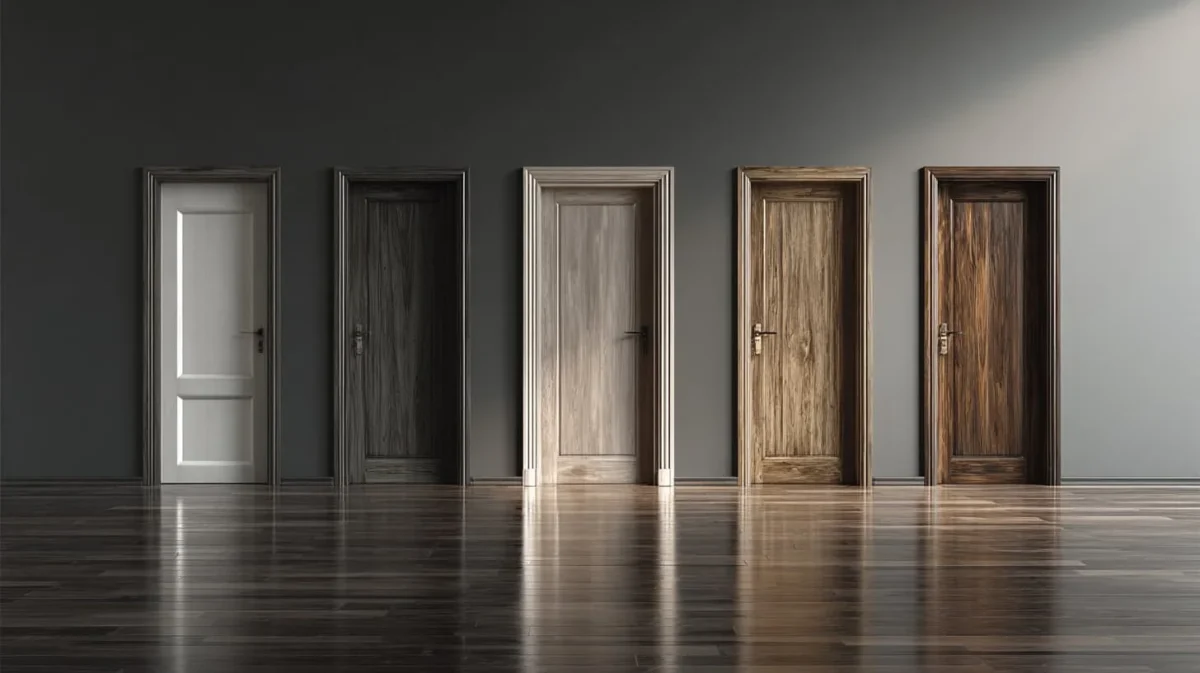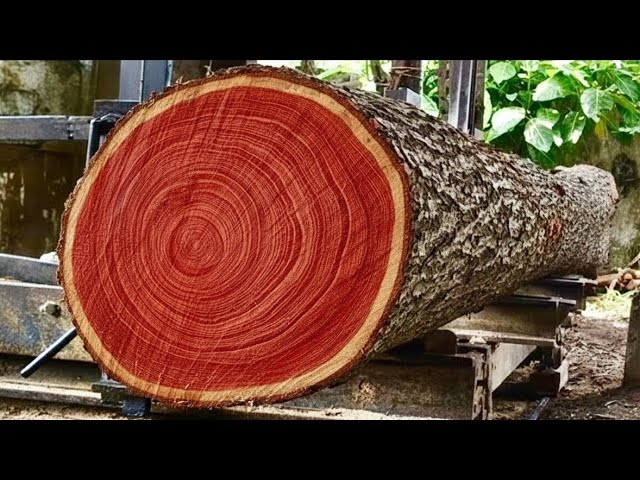
Ever wondered why that beautiful mahogany dining table costs so much? What if you could understand exactly what you’re paying for when you buy mahogany lumber for your next furniture project? You’re not just buying wood—you’re investing in a piece of history, beauty, and craftsmanship. Let’s break down the mahogany lumber price per board foot for 2026, so you can budget like a pro and make smart choices for your workshop.
What Makes Mahogany So Special (And Pricy)?
Mahogany isn’t just another brown wood. For centuries, it’s been the top choice for fine furniture, and for good reason. Knowing why it’s special helps you understand why it costs what it does.
The Allure of True Mahogany
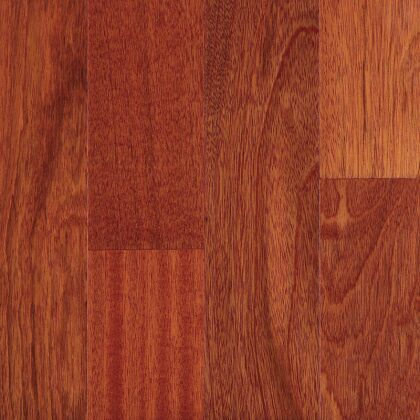
So, what’s the big deal? First, there’s the color. Freshly cut, it has a soft pinkish-brown hue that deepens over time into a rich, reddish-brown glow that sunlight makes even more beautiful. Then, there’s the grain. It’s typically straight and even, which means it’s incredibly stable—it resists warping and shrinking better than many woods. This makes it a dream to work with. It carves like butter, sands to a silky finish, and holds details perfectly. For a furniture project you’re proud of, it’s hard to beat.
Supply, Demand, and Sustainability
Here’s the real reason behind the price tag. The most famous type, Genuine Mahogany (Swietenia macrophylla), comes from tropical forests in Central and South America. It grows slowly, and over-harvesting in the past means there’s simply less of it. Strict international laws (called CITES regulations) now control its trade to protect these forests. When something is rare, takes a long time to grow, and is carefully regulated, it costs more. Good wood isn’t cheap, and cheap wood often isn’t good—especially when it comes to true mahogany.
Your 2026 Mahogany Price List: A Species-by-Species Guide
Let’s get to the numbers you came for. Remember, these are estimated price ranges per board foot for 2026. A “board foot” is a volume of wood (12″ x 12″ x 1″ thick). Prices can change based on your location, the supplier, and global markets.
The Classic: Genuine Mahogany (Swietenia macrophylla)
- Price Range: $18 – $35+ per board foot.
- Why it costs what it does: This is the king of mahoganies. Its rarity, those strict CITES regulations, and its unmatched reputation for quality and beauty place it at the top of the mahogany lumber price list. Use this for heirloom projects where only the best will do.
The Popular Choice: African Mahogany (Khaya spp.)
- Price Range: $12 – $22 per board foot.
- Why it’s a great alternative: This is the most common “true” mahogany you’ll find today. It’s more available than the Genuine type, making it a better value. It has a similar look and workability, though the grain can be a bit more interlocked. For most mahogany woodworking projects, this offers the classic feel at a more accessible mahogany board foot cost.
The Budget-Friendly “Mahogany”: Utile/Sipo Mahogany
- Price Range: $9 – $16 per board foot.
- Perfect for when you need the look for less: Technically not a true mahogany, Utile (often called Sipo) is a close cousin. It has a similar color and is very stable. It’s a fantastic choice for larger projects like a bookcase or when you plan on using a darker stain. It gives you the mahogany vibe without the highest price.
Decoding Lumber Grades: How “Furniture Grade” Affects Your Cost
When you see “furniture grade mahogany,” what does that mean? Not all boards are created equal. The grade tells you how clear and pretty the board is, and it has a huge impact on price.
FAS (First and Seconds) – The Furniture Maker’s Dream
- What you get: This is the top grade. FAS boards are large and have the clearest, most beautiful faces with almost no knots or defects. You get big, usable pieces perfect for tabletops and cabinet doors.
- Estimated Price Impact: Choosing FAS adds a 25-40% premium over lower grades. You pay for perfection.
Select & No. 1 Common – The Smart Shopper’s Zone
What you get: These grades have smaller clear sections. You might see more knots, streaks of color, or sapwood. But guess what? For many parts of your project, they are perfect* and will save you money.
* Projects ideal for these grades:
- Cabinet frames and hidden interiors.
- Table legs and chair parts.
- Any panel that will be painted or stained very dark.
* Estimated Price Impact: These grades can be 15-30% cheaper than FAS. Mixing a few high-grade boards for show surfaces with these for the rest is a brilliant budgeting trick.
Beyond the Board Foot: Hidden Costs When Buying Mahogany
The price per board foot is just the starting point. To avoid sticker shock, you need to think about these other factors.
Thickness Matters: The “4/4” vs. “8/4” Price Jump
Lumber is sold in quarter-inch thicknesses. “4/4” is 1 inch thick. “8/4” is 2 inches thick.
* Why thicker boards cost more: They come from bigger, older trees. They take much longer to dry without cracking. And there’s more waste when the mill cuts them. For a chunky table leg (8/4), expect to pay significantly more per board foot than for a thin panel (4/4).
Shipping, Surfacing, and Local Markup
- Shipping: If you order online, freight costs can be high for heavy wood.
- Surfacing: “Rough” lumber is the cheapest but requires you to plane it smooth. “S4S” (surfaced on four sides) is ready to use but costs more.
- Local Markup: Your friendly neighborhood hardwood dealer has business costs too. Their prices include their expertise, selection, and the fact you can hand-pick your boards. It’s often worth a small premium.
Smart Shopping Tips for Your Furniture Project
Ready to buy? Here’s your strategy to get the best value on mahogany lumber prices.
Buy Smarter, Not Just Cheaper
- Buy in Volume: Ask if they offer a “project pack” discount or a price break for buying 50+ board feet at once.
- Consider “Shorts”: Boards under 6 feet long are often sold at a discount. They’re ideal for small projects, chair parts, or cutting into decorative accents.
- Build a Relationship: Get to know the staff at your local lumberyard. They can call you when good stock arrives, help you pick boards, and might even offer you better deals over time.
Alternative Woods with the Mahogany Vibe
If the total mahogany wood cost per board foot is stretching your budget, consider these:
- Santos Mahogany: Very hard and durable with a reddish-brown color. Great for floors, but can be tough on tools.
- Spanish Cedar: Lighter, aromatic, and often less expensive. It has a similar tone and is famously used for cigar humidors.
- Stained Cherry or Maple: A less expensive wood, like cherry, stained a mahogany color can give a similar feel for painted projects or less visible pieces.
Is Mahogany Worth It for Your 2026 Project?
So, after all this, is buying mahogany for furniture worth the investment for you?
If you’re building an heirloom piece—a dining table, a grandfather clock, a fine cabinet—where richness, stability, and prestige are key, then absolutely yes. The cost is high, but you are paying for wood that will last generations, look stunning, and be a joy to work with.
For a fun beginner project, a kids’ piece, or furniture you plan to paint, a more affordable hardwood like oak, maple, or even a good plywood with a mahogany veneer might be the smarter choice. It’s all about matching the wood to your vision, your skills, and your budget.
Key Takeaways:
- Prices in 2026 will range from about $9 to over $35 per board foot. Species and grade are the biggest factors.
- “Furniture grade mahogany” usually means FAS or Select grades of Genuine or African Mahogany.
- Always factor in thickness, surfacing, and shipping when planning your budget. The board foot price is just the beginning.
- Buying mahogany is an investment in quality, beauty, and a timeless final product.
FAQ (Frequently Asked Questions)
What is the most affordable type of mahogany for furniture?
For a true mahogany look, Utile (Sipo) is often the most affordable. African Mahogany offers the best balance of classic quality and cost.
How many board feet do I need for a dining table?
simple 6-foot dining table can use 30-50 board feet, depending on the design and thickness. A good rule is to always buy 20-30% extra for mistakes, milling, and matching grain patterns.
Can I find good mahogany at a big-box store like Home Depot?
Typically, no. For furniture grade mahogany lumber, you’ll need to visit a specialty hardwood lumberyard or a reputable online retailer. Big-box stores usually don’t carry these specific, high-quality hardwoods.
Why is “8/4” lumber more expensive than “4/4”?
8/4 lumber is twice as thick (2 inches). It comes from a larger, older tree, takes much more time and care to dry properly, and creates more waste when milling. All of this increases the cost.
Is mahogany good for outdoor furniture?
Not really. While somewhat resistant to rot, it is not classified as a durable hardwood for outdoor use. For outdoor projects, you should look at woods like teak, ipe, or properly pressure-treated woods.
Have additional questions?
We’re here to help. Let’s talk.