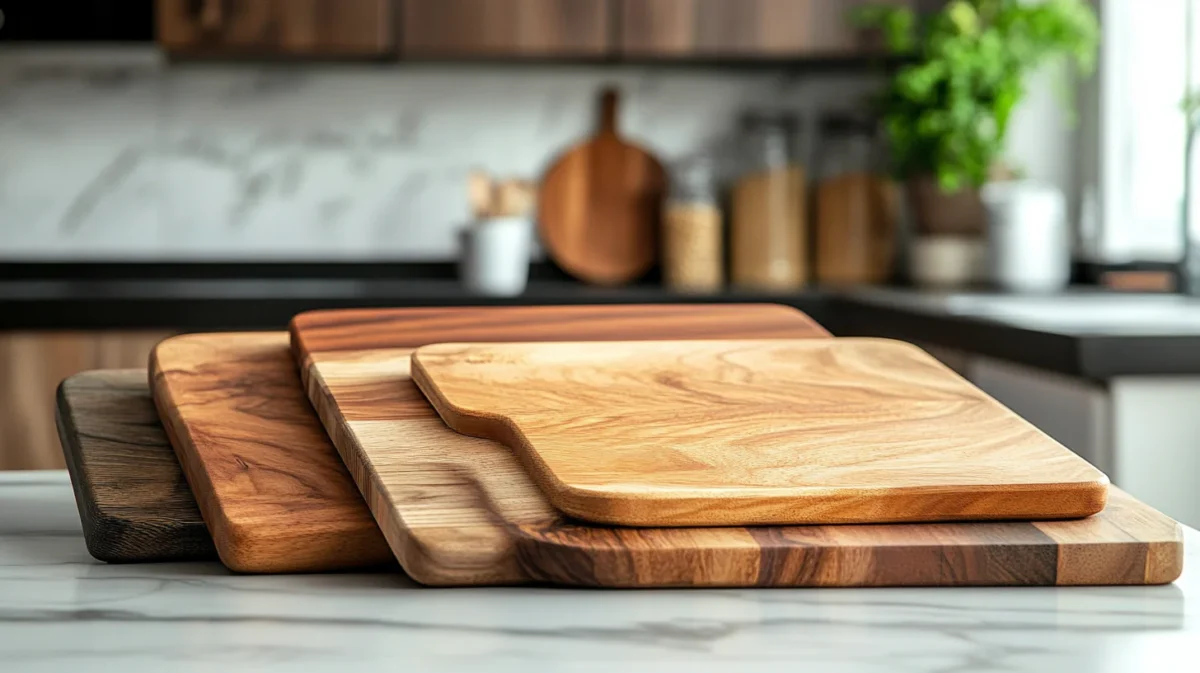
Introduction to Antibacterial Woods
What Are Antibacterial Woods?
When you think about cutting boards, you might picture a simple kitchen tool. However, some cutting boards are made from antibacterial woods, which have a special advantage: they help protect against germs. Antibacterial woods contain natural compounds that fight off bacteria, making them a smart choice for your kitchen.
Why Choose Antibacterial Cutting Boards?
Using antibacterial cutting boards can provide you and your family with a safer cooking environment. They not only help keep your food clean but also reduce the risk of foodborne illnesses. Plus, they can last longer and stay in better shape than regular wooden boards. With so many benefits, choosing an antibacterial wood for your cutting board is a decision you won’t regret!
Benefits of Using Antibacterial Woods
Natural Germ Protection
One of the main reasons to use antibacterial woods is their ability to naturally protect against germs. Unlike plastic boards, which can harbor bacteria in scratches, wooden boards made from specific types of wood can kill germs more effectively. This means you can chop, slice, and dice with confidence!
Health Benefits for Your Family
Using an antibacterial cutting board can help ensure that your family is eating healthy meals. By minimizing the risk of bacterial contamination, you can help prevent illnesses caused by harmful bacteria like E. coli and Salmonella. This is especially important if you have young children or elderly family members at home.
Environmental Advantages
Choosing antibacterial woods for your cutting boards also has positive effects on the environment. Many of these woods are sustainably sourced, meaning they are harvested in a way that does not harm the environment. By selecting eco-friendly options, you are making a choice that benefits the planet while keeping your kitchen germ-free!
Top Woods with Natural Antibacterial Properties
Bamboo
Bamboo is one of the most popular choices for antibacterial cutting boards. It grows quickly and is highly sustainable. Bamboo contains antimicrobial properties that make it effective in resisting bacteria. Plus, it’s lightweight and easy to clean!
Teak
Teak is another great option. This wood is known for its durability and beautiful grain. It has natural oils that help protect it from moisture and bacteria, making it a long-lasting choice for your kitchen.
Maple
Maple is a traditional favorite among chefs. It’s a hardwood, so it’s tough and doesn’t scar easily. Maple also has natural antibacterial properties, which help keep your food preparation safe and healthy.
Cherry
Cherry wood is not only beautiful but also effective for cutting boards. The rich color and smooth texture make it a popular choice. Like maple, cherry wood has natural qualities that resist bacteria, making it a practical choice for your kitchen.
How Antibacterial Properties Work
Understanding Antimicrobial Compounds
The antibacterial properties of woods come from natural antimicrobial compounds present in the wood. These compounds can help prevent the growth of bacteria by attacking their cellular structure. This means that when you use a cutting board made from these woods, you’re getting extra protection against harmful germs.
The Science Behind Wood’s Natural Resistance
Scientists have studied how woods like bamboo and teak resist bacteria. They found that the unique structure of these woods, combined with their chemical makeup, creates an environment that is less hospitable for bacteria. This natural resistance is why these woods are excellent choices for cutting boards.
Choosing the Best Woods for Cutting Boards
Factors to Consider
When selecting a cutting board, consider the following factors:
Durability: Choose a wood that can withstand frequent use.
Maintenance: Some woods require more care than others.
Aesthetics: Think about how the wood looks in your kitchen.
Hardwoods vs. Softwoods
Hardwoods like maple, cherry, and teak are generally better for cutting boards than softwoods. Hardwoods are denser and more durable, making them less likely to harbor bacteria. Softwoods can be more prone to scratches and can absorb moisture, which can lead to bacterial growth. For the best results, stick with hardwoods for your cutting board.
Care and Maintenance of Antibacterial Cutting Boards
Cleaning Techniques
To keep your antibacterial cutting board in good shape, you should clean it properly. Here are some tips:
Wash with warm, soapy water after each use.
Avoid soaking the board, as this can cause it to warp.
Use a mixture of vinegar and water to sanitize the surface.
Proper Storage Tips
Store your cutting board in a dry area to prevent moisture buildup. Avoid placing it in direct sunlight, which can cause the wood to crack. Also, consider standing it upright to allow air circulation around the board.
Sustainable Practices in Sourcing Wood
What Does Sustainable Mean?
Sustainable sourcing means that the wood is harvested in a way that does not harm the environment. This includes practices like replanting trees and ensuring that forests are managed responsibly. Choosing sustainably sourced wood is better for the planet and helps maintain healthy ecosystems.
Certifications to Look For
When shopping for cutting boards, look for certifications like the FSC (Forest Stewardship Council) label. This certification ensures that the wood comes from responsibly managed forests. By choosing certified products, you can feel good about your purchase.
DIY Antibacterial Cutting Board Options
Building Your Own Board
If you’re feeling crafty, you can build your own cutting board! Start with quality wood like maple or bamboo. There are plenty of online tutorials to guide you through the process, from selecting the right pieces to assembling your board.
Finishing Techniques for Antibacterial Properties
To enhance the antibacterial properties of your DIY cutting board, consider using food-safe oils for finishing. These oils can help seal the wood and provide an extra layer of protection against moisture and bacteria.
FAQs about Antibacterial Woods for Cutting Boards
Are all wooden cutting boards antibacterial?
Not all wooden cutting boards are created equal. Some woods, like bamboo and teak, naturally resist bacteria, while others do not. Choosing the right type of wood is essential for antibacterial properties.
How do I know if my cutting board is antimicrobial?
To determine if your cutting board has antimicrobial properties, check the wood type. Research the specific woods used in your board. If it’s made from bamboo, teak, maple, or cherry, it likely has natural antibacterial qualities.
Can I use my antibacterial cutting board for all types of food?
Yes, you can use your antibacterial cutting board for various foods, including fruits, vegetables, and meats. However, it’s always a good practice to have separate boards for raw meats to prevent cross-contamination.
Conclusion and Key Takeaways
Summary of Benefits
Choosing an antibacterial wood for your cutting board offers numerous benefits. You get natural germ protection, health advantages for your family, and an environmentally friendly option. Plus, you’ll enjoy a beautiful and durable kitchen tool!
Final Thoughts on Choosing Antibacterial Woods
As you shop for cutting boards, keep in mind the types of wood that have natural antibacterial properties. Whether you choose bamboo, teak, maple, or cherry, you’ll be making a smart choice for your kitchen. Remember, a clean cutting board means a healthy kitchen!
—
Key Takeaways
Antibacterial woods provide natural germ protection.
Selecting the right wood for your cutting board can enhance food safety.
Sustainable practices are essential when sourcing materials.
FAQ
What are the best woods for cutting boards?
How do I clean and maintain my antibacterial cutting board?
Can I use a wooden cutting board for raw meat?
By following these guidelines, you can ensure that your kitchen remains a healthy and safe place for food preparation. Happy cooking!