Introduction
Why Moisture Resistance Matters in Basements
If you have a basement, you know that moisture can be a real headache. Basements are often damp, and without proper precautions, the wood paneling you choose can warp, swell, or even rot over time. That’s why selecting the best moisture-resistant wood paneling for basement walls is crucial. Moisture-resistant materials can help protect your investment and create a more comfortable environment.
Overview of the Best Options Available in 2024
In 2024, the market offers several exciting options for moisture-resistant wood paneling. From engineered wood to vinyl-laminated panels, you have plenty of choices that not only look great but also stand up to the challenges of a damp basement. This guide will help you navigate these options and make the best choice for your space.
Understanding Moisture and Your Basement
Common Sources of Moisture in Basements
Before diving into the best paneling options, it’s essential to understand where moisture comes from. Common sources include:Groundwater seepage: Water from the ground can enter through cracks in the walls or floors.
Humidity: Moist air can condense in cooler basement environments.
Leaking pipes: Any plumbing issues can lead to dampness.
Poor ventilation: Without proper airflow, moisture can accumulate.
Recognizing these sources can help you choose the right materials and take preventive measures.
The Impact of Humidity on Wood Paneling
Humidity can significantly affect wood paneling. High moisture levels can cause wood to expand and contract, leading to cracks and gaps. This not only impacts the look of your basement but can also create spaces for mold and mildew. Choosing moisture-resistant wood paneling helps mitigate these problems and maintain a healthy environment.
Key Features of Moisture-Resistant Wood Paneling
Material Composition
When selecting wood paneling, pay attention to the material composition. Engineered wood, which is made from layers of real wood and adhesive, often offers better moisture resistance than solid wood. This is because it is less likely to warp or crack due to humidity fluctuations.
Finish and Coating Options
The finish and coatings on your wood paneling are equally important. Look for options that include water-resistant finishes or coatings, which can create a protective barrier against moisture. Some products even feature antimicrobial treatments to prevent mold growth.
Installation Methods
Proper installation is key to maximizing the moisture resistance of your paneling. Consider options that allow for air circulation behind the panels, such as a furring strip system. This can help prevent moisture buildup and extend the life of your wall coverings.
Top Moisture-Resistant Wood Paneling Options for 2024
Engineered Wood Panels
Engineered wood panels are a top choice for basements. They offer an appealing wood look while being more moisture-resistant than traditional solid wood. Many brands now have options that come pre-finished, making installation even easier.
PVC and Vinyl-Laminated Panels
If you’re looking for maximum moisture resistance, PVC and vinyl-laminated panels are fantastic choices. They are completely waterproof, making them ideal for basements prone to flooding. Plus, they come in various styles and colors, allowing you to achieve the aesthetic you want.
Solid Wood with Protective Treatments
While solid wood can be more susceptible to moisture, you can enhance its durability by applying protective treatments. Look for products that have been specifically designed for use in high-moisture areas. This option gives you the classic look of wood while still providing some level of moisture resistance.
Comparing Waterproof Wood Paneling
Pros and Cons of Waterproofing
When deciding on wood paneling for your basement, consider the pros and cons of waterproof options:
Pros:
Increased durability: Waterproof panels resist water damage and mold growth.
Easy maintenance: They often require less upkeep than traditional wood.
Cons:
Cost: Waterproof options can be more expensive upfront.
Aesthetic limitations: Some waterproof materials may not have the same warmth as real wood.
Cost Considerations for Waterproof Options
Expect to pay more for waterproof wood paneling. While the initial investment may be higher, the long-term savings from reduced maintenance and repair costs can make it worthwhile. It’s essential to consider your budget and weigh the benefits of investing in high-quality materials.
Benefits of Using Wood Paneling in Basements
Aesthetic Appeal and Versatility
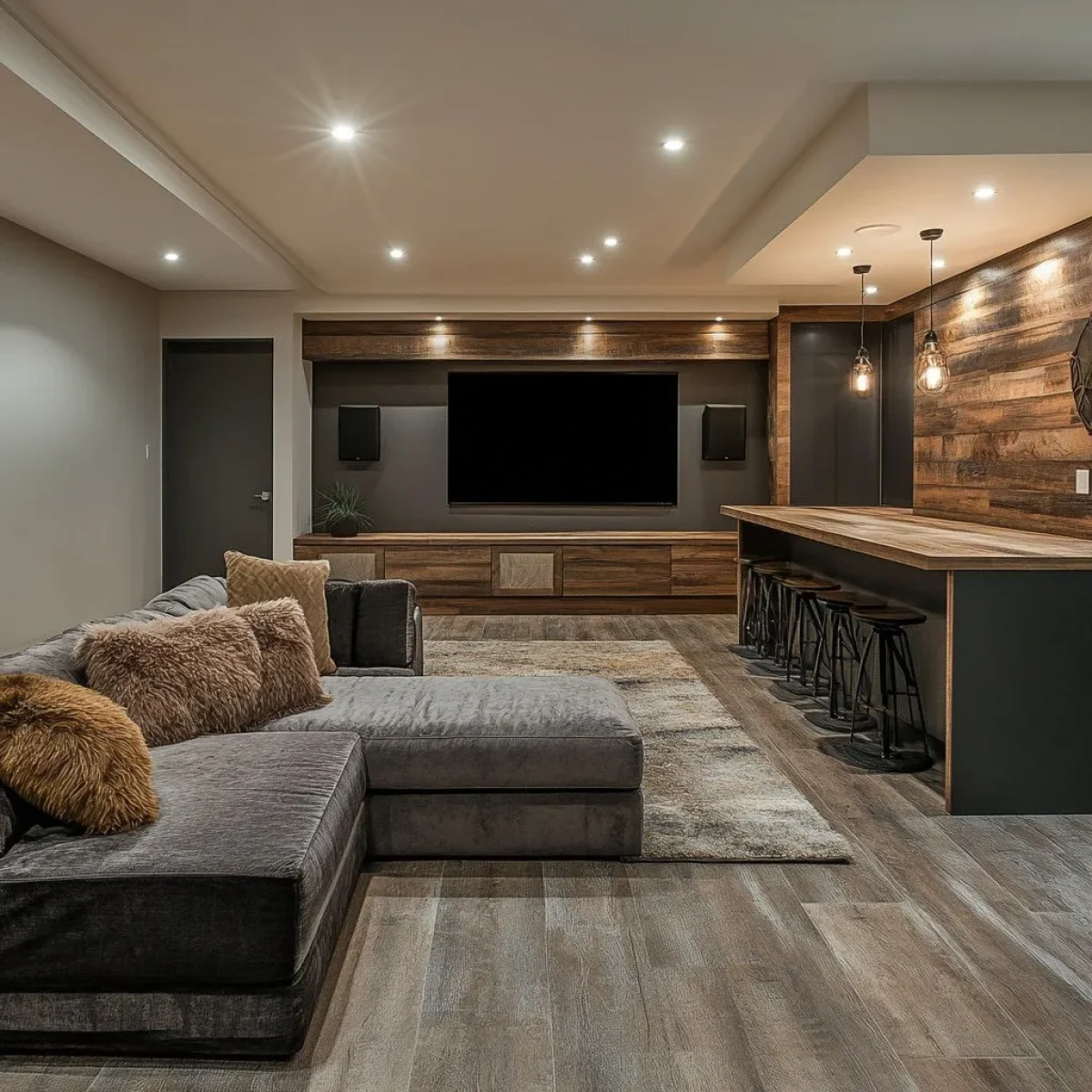
Wood paneling adds a natural warmth and charm to any space. With various styles and finishes available, you can create the look you desire, whether it’s rustic, modern, or traditional. Wood paneling can transform a cold, dreary basement into an inviting living area.
Insulation and Energy Efficiency
Moisture-resistant wood paneling also provides insulation benefits. It can help keep your basement warmer in the winter and cooler in the summer, making your home more energy-efficient. This can lead to lower energy bills and a more comfortable living environment.
Installation Tips for Basement Wall Paneling
Preparing Your Basement Walls
Before installing paneling, prepare your basement walls. Make sure they are clean and dry. Check for any signs of moisture damage or leaks, and address those issues before proceeding.
Step-by-Step Installation Process
1. Measure your walls: Take precise measurements to determine how much paneling you’ll need.
2. Cut the panels: Use a saw to cut the panels to size, allowing for any electrical outlets or switches.
3. Install furring strips: If you’re using a furring strip system, attach these to the wall to create a space for air circulation.
4. Attach the panels: Use adhesive or nails to secure the panels to the furring strips or directly to the wall.
5. Finish edges: Use trim or molding to finish the edges for a polished look.
Maintenance and Care for Moisture-Resistant Paneling
Regular Checks for Moisture Issues
Even with moisture-resistant paneling, it’s essential to conduct regular checks for any signs of moisture. Look for discoloration, mold, or musty odors, and address issues immediately to prevent further damage.
Cleaning and Upkeep Tips
To keep your paneling looking its best, clean it regularly with a damp cloth. Avoid harsh chemicals that can damage the finish. Instead, use mild soap and water for routine cleaning.
Frequently Asked Questions
How Do I Know if My Basement Needs Paneling?
If your basement feels damp, looks uninviting, or has visible signs of moisture damage, it’s an excellent candidate for paneling. Moisture-resistant wood paneling can improve the overall feel and functionality of your basement.
Can I Use Regular Wood Panels in My Basement?
While you can use regular wood panels, they may not withstand the moisture levels typical in basements. It’s best to choose moisture-resistant options to avoid long-term damage and costly repairs.
What Are the Signs of Moisture Damage?
Signs of moisture damage include:
Mold or mildew growth
Warping or buckling of panels
Peeling paint or finishes
A musty odor
If you notice any of these signs, it’s time to address the issue before it worsens.
Conclusion
Recap of Key Takeaways
Choosing the best moisture-resistant wood paneling for basement walls in 2024 is essential for creating a comfortable and inviting space. Consider engineered wood panels, PVC, and vinyl-laminated options, or solid wood with protective treatments. Always keep moisture sources in mind and opt for proper installation methods.
Final Thoughts on Choosing the Right Paneling
Your basement can be a beautiful and functional part of your home with the right moisture-resistant wood paneling. Take your time to explore your options, and don’t hesitate to consult with professionals if you’re unsure. With the right materials and care, your basement can become a warm and inviting retreat for years to come.
Key Takeaways:
Invest in moisture-resistant paneling to protect against damage.
Explore various materials and styles to find what suits your aesthetic.
Regular maintenance is key to prolonging the life of your paneling.
Happy decorating!