
Introduction to Bird Watching at Blacklick Woods
Why Blacklick Woods is a Birdwatching Paradise
If you love nature and enjoy the thrill of spotting birds, Blacklick Woods is the perfect destination for you. Located just a short drive from Columbus, Ohio, this beautiful park offers a rich habitat filled with various trees, shrubs, and open spaces. With over 643 acres of lush woods and wetlands, it is home to over 100 species of birds. You’ll find everything from common backyard birds to rare migratory species, making it a birdwatching paradise for beginners and seasoned birders alike.
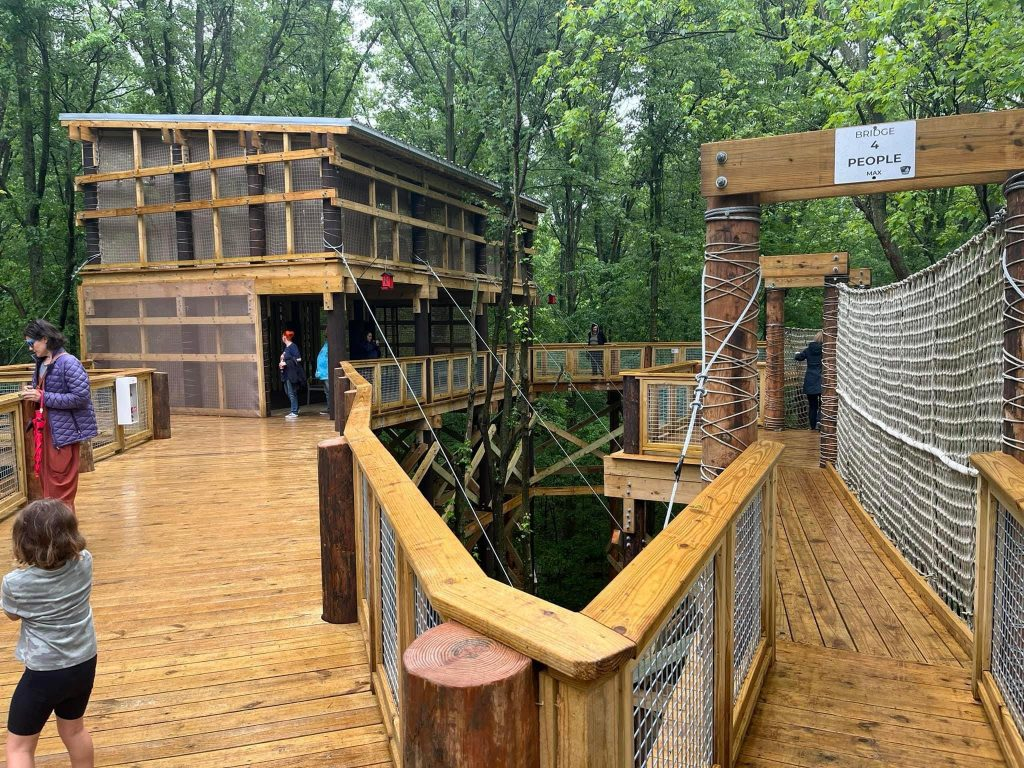
Overview of the Canopy Walk Experience
One of the highlights of Blacklick Woods is the Canopy Walk, a stunning elevated walkway that stretches high above the ground. This unique perspective allows you to observe birds in their natural habitat without disturbing them. As you stroll along the walkway, you can enjoy breathtaking views of the forest and spot birds flitting through the branches. Whether you’re looking to capture a photograph or simply enjoy the sights and sounds of nature, the Canopy Walk offers a memorable experience.
The Best Time of Day to See Birds
Morning Bird Activity: A Peak Viewing Time
You may be wondering, what is the best time of day to see birds at Blacklick Woods? The answer is often in the early morning. Birds are typically most active during the first few hours after sunrise. This is when they are busy searching for food, singing their morning songs, and establishing their territories. The peaceful morning air and soft light make for an ideal time to spot various species.
The Science Behind Morning Birdwatching
Why are mornings so special for birdwatching? It’s simple—birds have a natural rhythm influenced by the sun. As dawn breaks, many birds begin their day, fueled by the need to eat and socialize. They are much more vocal during this time as well, making it easier for you to locate them by sound. So, if you want to increase your chances of seeing a variety of birds, consider arriving at Blacklick Woods early in the morning.
Evening Birdwatching: A Different Perspective
While mornings are fantastic, don’t overlook the beauty of evening birdwatching. As the sun begins to set, some species become active again, preparing to roost for the night. Evening birdwatching can be quieter, offering a serene atmosphere to enjoy the peaceful sounds of nature. You might spot owls or hear the rustling of birds settling in for the night.
Seasonal Bird Sightings at Blacklick Woods
Spring Migration: A Birdwatcher’s Delight
Spring is one of the most exciting times for birdwatching at Blacklick Woods. As the weather warms, migratory birds return from their winter homes, bringing a burst of color and song to the park. Look out for warblers, thrushes, and swallows during this time. Spring migration peaks from late March to early May, making it a birdwatcher’s delight.
Summer Residents: Birds You Can Expect
In summer, many species settle down to raise their young. You can expect to see vibrant songbirds like cardinals, blue jays, and goldfinches. Additionally, this is the time to watch for nesting behaviors and learn more about their life cycles. The lush greenery also provides excellent cover for these birds, making them a little harder to spot but well worth the search.
Fall Migration: A Colorful Transition
As summer ends and autumn begins, prepare for another wave of bird activity. Fall migration usually happens from late August to early November. During this time, many birds are on the move, heading to warmer climates. Keep your eyes peeled for species like hawks and sparrows, as well as the beautiful sight of flocks flying overhead.
Winter Visitors: What to Look For
Even in winter, Blacklick Woods has something to offer birdwatchers. While many birds migrate south, some species, like cardinals, chickadees, and woodpeckers, stick around. You may also spot the occasional snowy owl or other winter visitors. Bundle up, grab a warm drink, and enjoy the serene beauty of winter birdwatching.
Birdwatching Tips for Success
Best Practices for Quiet Observation
To enhance your birdwatching experience, it’s essential to practice quiet observation. Birds are sensitive to noise and movement, so try to stay as still as possible. Move slowly and quietly, and consider using binoculars or a spotting scope to get a closer look without disturbing them. Patience is key; sometimes, the best moments come when you least expect them.
Essential Gear for Birdwatching
Having the right gear can make your birdwatching experience much more enjoyable. Here are a few essentials to consider:Binoculars: A good pair of binoculars is crucial for spotting birds from a distance.
Field Guide: A bird identification book or an app can help you recognize the species you encounter.
Notebook: Record your sightings and experiences to track your progress and improve your skills.
Comfortable Clothing: Dress in layers and wear comfortable shoes for walking. Also, consider wearing muted colors to blend in with nature.
Understanding Bird Behavior
Feeding Habits and Their Impact on Sightings
Understanding bird behavior can significantly improve your chances of spotting them. Birds have specific feeding habits that vary by species. Some birds are ground feeders, while others prefer to forage in trees or shrubs. Knowing where to look based on their feeding habits can help you find the right spots to observe them.
Nesting and Breeding Seasons
Another important factor to consider is the nesting and breeding seasons. Many birds become more secretive and protective during this time, making them harder to spot. However, this is also when you can witness fascinating behaviors, such as courtship displays and feeding fledglings. Knowing the breeding cycles of the birds in your area can enhance your understanding and appreciation of their lives.
Top Birds to Spot at Blacklick Woods
Common Species You Might Encounter
As you explore Blacklick Woods, here are some common bird species you might encounter:American Robin: Known for its bright orange belly and cheerful song.
Northern Cardinal: A beautiful red bird that is easy to spot year-round.
Blue Jay: Recognizable for its blue feathers and loud calls.
American Goldfinch: A small, bright yellow bird that flutters through the trees.
Rare Sightings: What to Keep an Eye Out For
While exploring, you may also have the chance to spot some rare birds. Keep an eye out for:Scarlet Tanager: A striking red bird often found in the treetops.
Wood Thrush: Known for its beautiful, flute-like song.
Cerulean Warbler: A small, blue bird that nests in mature forests.
Keep your binoculars handy and your eyes peeled for these special sightings!
Planning Your Visit
Best Months to Visit for Birdwatching
The best months for birdwatching at Blacklick Woods are typically from March to November. During this time, you can enjoy the spring migration, summer residents, fall migration, and even some winter visitors. Each season brings its unique charm, so plan your visit accordingly.
Preparing for Weather Conditions
Ohio weather can be unpredictable, so it’s essential to prepare for various conditions. Check the forecast before you go and dress appropriately. Bring layers in case it gets chilly, and don’t forget rain gear if necessary. A comfortable backpack can also help you carry your gear and snacks while you explore.
Connecting with the Birdwatching Community
Local Birdwatching Groups and Events
Connecting with other birdwatchers can enhance your experience and knowledge. Look for local birdwatching groups or clubs that often organize walks and events at Blacklick Woods. These groups can provide valuable insights and tips while offering a chance to meet fellow enthusiasts.
Online Resources for Birdwatchers
The internet is a treasure trove of information for birdwatchers. Websites like eBird and the Cornell Lab of Ornithology offer tools for tracking sightings, identifying birds, and connecting with other birdwatchers around the world. Take advantage of these resources to enhance your birdwatching skills.
Photography Tips for Birdwatchers
Capturing the Perfect Shot
If you enjoy photography, capturing images of birds can be incredibly rewarding. Here are some tips to help you get the best shots:Use Natural Light: Early morning or late afternoon light can create beautiful images.
Focus on Composition: Consider the background and framing of your shot.
Be Patient: Birds can be unpredictable, so wait for the right moment.
Recommended Camera Gear for Beginners
You don’t need expensive gear to start bird photography. Here are some recommendations for beginners:DSLR or Mirrorless Camera: These cameras offer versatility and better image quality.
Zoom Lens: A lens with a good zoom range will help you capture distant birds.
Tripod: A sturdy tripod can help stabilize your camera for clearer shots.
Conclusion
Key Takeaways from Your Birdwatching Adventure
Birdwatching at Blacklick Woods Canopy Walk is a fantastic way to connect with nature and discover the beauty of various bird species. By understanding the best times to see birds, knowing what to look for, and utilizing helpful tips, you can have a rewarding experience. Remember to be patient, stay quiet, and enjoy the moment.
Encouraging Others to Explore Blacklick Woods
As you immerse yourself in the wonders of birdwatching, consider sharing your experiences with friends and family. Encourage them to join you on your next adventure at Blacklick Woods. The joy of spotting a beautiful bird or hearing its song is a wonderful experience that’s even better when shared with others.
Frequently Asked Questions (FAQ)
What is the best time of year to see birds at Blacklick Woods?
The best time to see birds at Blacklick Woods is during spring migration from late March to early May and fall migration from late August to early November. Summer also offers plenty of resident species to observe.
Are there guided birdwatching tours available?
Yes, Blacklick Woods often hosts guided birdwatching tours, especially during peak migration seasons. Check with local birdwatching groups or the park’s schedule for upcoming events.
What types of birds can I expect to see during my visit?
You can expect to see a variety of birds, including common species like robins, cardinals, and blue jays, as well as rare sightings like scarlet tanagers and cerulean warblers, depending on the season.
Do I need special equipment for birdwatching?
While you don’t need special equipment, having binoculars, a field guide, and a notebook can enhance your experience. Comfortable clothing and shoes are also recommended for walking in the park.
Birdwatching at Blacklick Woods Canopy Walk is not only a fun outdoor activity but also a wonderful way to connect with nature and learn about the diverse bird species that inhabit the area. Enjoy your adventure, and happy birdwatching!




Leave a Reply