
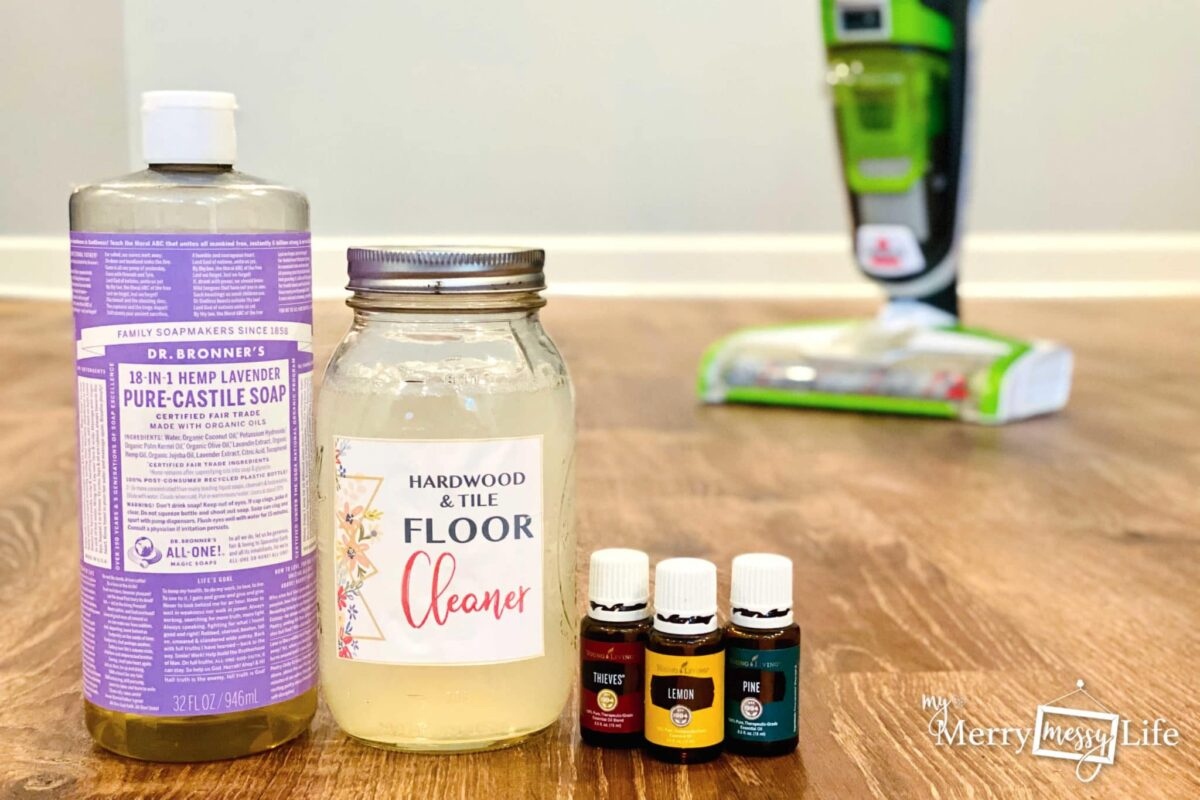
Introduction to DIY Wood Floor Cleaners
Keeping your wood floors clean doesn’t have to mean using harsh chemicals. You can create your own effective cleaner right at home! Homemade wood floor cleaners are not only eco-friendly, but they can also save you money and give you peace of mind knowing exactly what’s in your cleaning solution.
Why Choose Homemade Cleaners?
Homemade cleaners are often safer for your family and pets. Many commercial cleaners contain toxic substances that can cause health issues. By making your own cleaner, you can avoid these chemicals and create a solution that is both effective and gentle on your wood floors.
Benefits of Using Vinegar and Essential Oils
Vinegar is a powerful cleaning agent that can cut through dirt and grime. It’s also great at neutralizing odors. When combined with essential oils, you get a cleaner that not only cleans but also leaves your home smelling fresh. Essential oils like lemon, tea tree, and lavender have additional benefits, such as antibacterial properties, which can help keep your floors even cleaner.
Understanding Your Wood Floors
Before you dive into cleaning, it’s essential to understand the type of wood floors you have. This knowledge will help you choose the right cleaning method and ingredients.
Types of Wood Floors
1. Solid Hardwood: Made from a single piece of wood, these floors can be sanded and refinished multiple times.
2. Engineered Wood: Made from layers of wood, these floors are more resistant to moisture but can be damaged by excessive water.
3. Laminate: Not real wood but designed to look like it. It’s more durable but requires different cleaning methods.
Common Wood Floor Finishes
Oil-Based Finish: Offers a rich look but can be more susceptible to water damage.
Water-Based Finish: Dries quickly and is less toxic but may not be as durable.
Wax Finish: Requires regular maintenance but can give a beautiful sheen.
The Ingredients You’ll Need
Vinegar: The Star Ingredient
Vinegar is a natural cleaner that is effective in breaking down dirt, dust, and grime. It’s safe for most wood floors, but you should always check your floor’s finish.
Essential Oils: Natural Fragrance and Benefits
Essential oils not only make your cleaner smell great but also provide additional cleaning benefits. Here are some popular choices:Lemon: Fresh scent and natural antibacterial properties.
Tea Tree: Known for its powerful antibacterial and antifungal properties.
Lavender: Offers a calming scent and also has antibacterial qualities.
Additional Ingredients for Enhanced Cleaning
Water: Distilled water is best to avoid mineral buildup.
Castile Soap: A natural soap that can help with tougher stains.
Preparing Your DIY Wood Floor Cleaner
Step-by-Step Recipe for Your Cleaner
Here’s a simple recipe to get you started:
Ingredients:1 cup of white vinegar
1 cup of distilled water
10-15 drops of your favorite essential oil
Instructions:
1. In a spray bottle, combine the vinegar and distilled water.
2. Add the essential oil of your choice.
3. Shake well to mix all ingredients.
Tips for Mixing and Storing
Always shake the bottle before each use to ensure the ingredients are well mixed.
Store your cleaner in a cool, dark place to maintain its effectiveness.
How to Use Your Homemade Cleaner
Best Practices for Application
1. Sweep or vacuum your floors to remove loose dirt.
2. Spray the cleaner onto a small section of the floor.
3. Wipe with a soft cloth or microfiber mop, working in sections.
Tools You’ll Need for Cleaning
Microfiber mop: Great for picking up dirt without scratching the surface.
Soft cloths: Ideal for spot cleaning and detailing.
Broom or vacuum: To remove debris before mopping.
Cleaning Techniques for Different Wood Floors
Cleaning Unfinished Wood Floors
Unfinished wood floors are more porous and can absorb moisture. Use a slightly damp cloth and avoid soaking the wood. This will prevent water damage and warping.
Cleaning Finished Wood Floors
For finished wood floors, your homemade cleaner is perfect! Just ensure you don’t use too much liquid; a light mist will do the trick. Always follow up with a dry mop or cloth to avoid water pooling.
Safety Precautions
Non-Toxic Benefits of Your Cleaner
Since your cleaner is made from natural ingredients, it’s safe for children and pets. You won’t have to worry about harsh fumes or harmful chemicals.
Potential Risks and How to Avoid Them
While vinegar is safe for most wood finishes, it’s always best to do a spot test in an inconspicuous area before using it on your entire floor. This will help you avoid any potential damage.
Troubleshooting Common Issues
What to Do if Your Floors Are Still Dirty
If your floors still look dirty after cleaning, you might need to adjust your cleaning method. Here are some tips:Spot Clean: For tough stains, spray a little extra cleaner directly on the spot and scrub gently.
Use Castile Soap: If dirt buildup is significant, adding a few drops of Castile soap can help lift stubborn grime.
How to Restore Shine to Dull Floors
If your floors look dull, try buffing them with a soft cloth after cleaning. For an extra shine, you can add a tablespoon of olive oil to your cleaner mix.
Eco-Friendly Cleaning Practices
Why Go Eco-Friendly?
Using natural ingredients not only benefits your health but also the environment. By choosing eco-friendly cleaners, you help reduce the number of harmful chemicals that enter the water system.
Other Natural Cleaners You Can Make
Baking Soda Paste: Great for tough stains—mix baking soda with a little water to form a paste and apply it to the stain.
Citrus Infused Vinegar: Soak citrus peels in vinegar for a few weeks for a more fragrant cleaner.
Conclusion
Key Takeaways from Your DIY Journey
Making your own homemade wood floor cleaner with vinegar and essential oils is an easy, cost-effective, and eco-friendly way to keep your floors looking their best. Not only does it clean effectively, but it also leaves your home smelling wonderful!
Encouragement to Start Cleaning Naturally
Now that you have all the information you need, it’s time to roll up your sleeves and start cleaning! Embrace the benefits of natural ingredients and enjoy the fresh, clean feel of your wood floors.
Frequently Asked Questions (FAQ)
How often should I clean my wood floors?
You should aim to clean your wood floors at least once a week to keep them looking their best. However, high-traffic areas may require more frequent cleaning.
Can I use this cleaner on laminate or tile floors?
While this cleaner is safe for finished wood floors, it’s best to use a different cleaner for laminate and tile floors. These materials can require different cleaning methods.
What essential oils are best for wood floors?
Lemon, tea tree, and lavender are excellent choices for wood floors. They not only smell great but also have cleaning properties.
How do I remove tough stains from wood floors?
For tough stains, apply a paste of baking soda and water directly to the stain. Let it sit for a few minutes before gently scrubbing with a soft cloth.
By following this guide, you’ll have the knowledge and tools to create an effective DIY wood floor cleaner that’s safe for your home and the environment. Happy cleaning!



Leave a Reply