
Introduction
Why Cleaning Old Wood Floors is Important
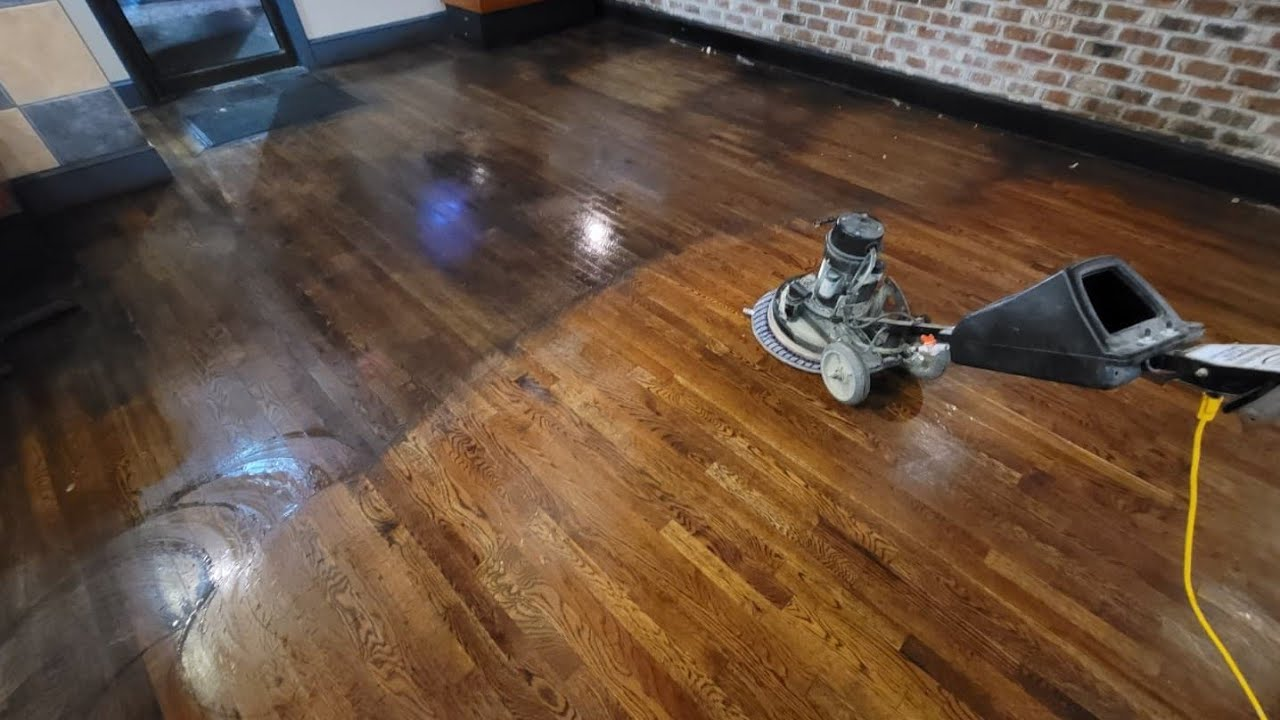
You may have beautiful wood floors hiding beneath layers of dust, grime, and buildup. Cleaning these floors is not just about aesthetics—it’s about preserving the wood and maintaining the value of your home. Neglected wood floors can suffer from damage, leading to costly repairs or replacements. Regular cleaning not only enhances the look of your home but also extends the life of your floors.
Understanding Buildup on Wood Floors
Over the years, your wood floors can accumulate dirt, dust, grease, and even wax from past cleaning products. This buildup can make your floors look dull and lifeless. Understanding what type of buildup you have will help you choose the best wood floor cleaner for old neglected floors with buildup.
Assessing Your Wood Floors
Identifying the Type of Wood and Finish
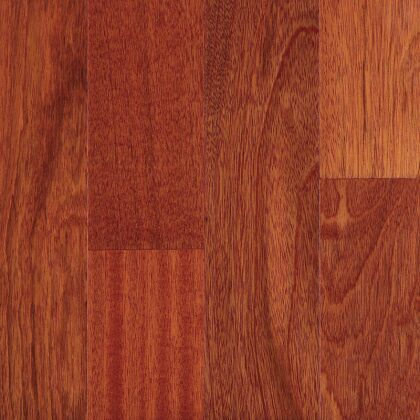
Before you start cleaning, it’s crucial to identify the type of wood your floors are made of and the finish applied to them. Common wood types include oak, maple, and cherry, while finishes can range from polyurethane to oil-based. Knowing this information will help you select the right cleaning products and techniques.
Checking for Damage and Wear
Take a close look at your floors for any signs of damage. Are there scratches, dents, or areas where the finish has worn off? Addressing these issues before cleaning is vital, as cleaning products can sometimes exacerbate existing damage.
Gathering Your Cleaning Supplies
Essential Tools for Cleaning Old Floors
Here’s a checklist of essential tools you’ll need to clean your old wood floors:Soft-bristle broom
Microfiber mop
Vacuum with a soft brush attachment
Bucket
Clean rags or towels
Scrubbing pads (for tough spots)
Best Wood Floor Cleaner Recommendations
When selecting a cleaner, look for products specifically designed for wood floors to avoid damaging the finish. Some of the best wood floor cleaners for old neglected floors with buildup include:Bona Hardwood Floor Cleaner
Murphy Oil Soap
Black Diamond Wood & Laminate Floor Cleaner
Always check the label to ensure the product is safe for your specific wood type and finish.
Preparing Your Space for Cleaning
Clearing Furniture and Obstacles
Before you start cleaning, move all furniture and rugs off the floor. This will give you a clear space to work and ensure you don’t miss any areas. If you have larger pieces of furniture that can’t be moved, consider using furniture sliders to shift them.
Safety Precautions to Consider
While cleaning, it’s essential to take safety precautions. Make sure the area is well-ventilated, especially if you’re using commercial cleaning products. Wear gloves to protect your hands and consider a mask if you’re sensitive to strong odors.
Removing Loose Dirt and Debris
Sweeping and Dusting Techniques
Start by sweeping or dusting the floor to remove loose dirt and debris. Use a soft-bristle broom or a microfiber mop for this task. Always sweep in the direction of the wood grain to avoid scratching the surface.
Using a Vacuum with a Soft Brush Attachment
After sweeping, it’s a good idea to vacuum the floor using a vacuum with a soft brush attachment. This will help pick up any remaining dirt and dust, ensuring your floor is clean before applying any cleaner.
Applying the Cleaner
How to Choose the Right Cleaner for Your Floors
When selecting a cleaner, consider the buildup on your floors. For light grime, a gentle cleaner may suffice. However, for heavy buildup, you might need something more robust. Remember to test any product on a small, inconspicuous area first to ensure it won’t damage your floors.
Step-by-Step Guide to Applying the Cleaner
1. Dilute the Cleaner: Follow the instructions on the cleaner’s label for dilution ratios.
2. Mop the Floor: Using a microfiber mop, apply the cleaner to the floor in sections. Always mop in the direction of the grain.
3. Avoid Over-Saturation: Make sure not to soak the wood; excess water can cause warping or damage.
4. Use a Clean Mop: Change the mop pad frequently to avoid spreading dirt back onto the floor.
Dealing with Tough Buildup
Techniques for Removing Stubborn Residue
For tough spots where buildup is particularly stubborn, consider using a dedicated scrubbing pad. Soak the area with cleaner and let it sit for a few minutes before scrubbing gently.
When to Use a Scrubbing Pad or Steel Wool
If your floors have heavy wax buildup or sticky residues, you might need a scrubbing pad or fine steel wool. However, be cautious—these can scratch the floor if used too aggressively. Always test in a small area first.
Rinsing and Drying Your Floors
Proper Rinsing Techniques
After cleaning, it’s essential to rinse your floors to remove any remaining cleaner. Use a damp mop with clean water, again mopping in the direction of the grain. Make sure not to leave any water standing on the floor.
Best Practices for Drying Wood Floors
To dry your floors, use clean, dry towels to soak up any excess moisture. You can also leave windows open for better airflow. Avoid walking on the floors until they are completely dry to prevent slipping or damaging the surface.
Maintaining Your Clean Floors
Regular Cleaning Schedule
To keep your wood floors looking their best, establish a regular cleaning schedule. Aim to sweep or dust at least once a week and do a deeper clean every month. This will help prevent buildup and prolong the life of your floors.
Recommended Wood Floor Maintenance Products
Invest in a few quality maintenance products to keep your floors shiny and protected. Consider using a wood floor polish designed for your specific finish. These products can help restore shine and add a protective layer.
Conclusion
Recap of Key Steps
Cleaning decades-old wood floors can seem daunting, but with the right approach, it can be a rewarding task. Assess your floors, gather your supplies, and follow the steps outlined above. Regular maintenance will keep your wood floors looking beautiful for years to come.
Encouragement for Ongoing Maintenance
Don’t let your wood floors fall into neglect again! Regular cleaning and maintenance will not only enhance your home’s appearance but also ensure your investment is protected.
Key Takeaways
Essential Tips for Cleaning and Maintaining Wood Floors
Always identify your wood type and finish before cleaning.
Use a cleaner specifically designed for wood floors.
Regular cleaning is essential to prevent buildup and maintain shine.
Final Thoughts on Using the Best Cleaner for Hardwood Floors
With the right products and techniques, you can effectively clean and maintain your old wood floors. Remember, the best wood floor cleaner for old neglected floors with buildup is one that suits your specific needs and the condition of your floors.
Frequently Asked Questions (FAQ)
What is the best wood floor cleaner for old neglected floors?
The best wood floor cleaner for old neglected floors includes products like Bona Hardwood Floor Cleaner and Murphy Oil Soap. Always ensure they are safe for your wood type.
How often should I clean my wood floors?
Aim to sweep or dust your wood floors at least once a week and deep clean them once a month to prevent buildup and maintain their shine.
Can I use vinegar on my wood floors?
Vinegar can be harsh on wood finishes and is not recommended. Stick to cleaners specifically made for wood to avoid damaging your floors.
What should I do if my wood floor has scratches?
For minor scratches, a wood floor repair kit or a touch-up marker may suffice. For deeper scratches, you might need to sand and refinish the affected area.
Are there any natural cleaners for wood floors?
Yes! You can make a natural wood floor cleaner using a mixture of water and a few drops of dish soap or olive oil. Always test any natural cleaner first to ensure it won’t harm your finish.
With this guide, you’re now equipped to tackle those decades-old wood floors and bring them back to life! Happy cleaning!



Leave a Reply