
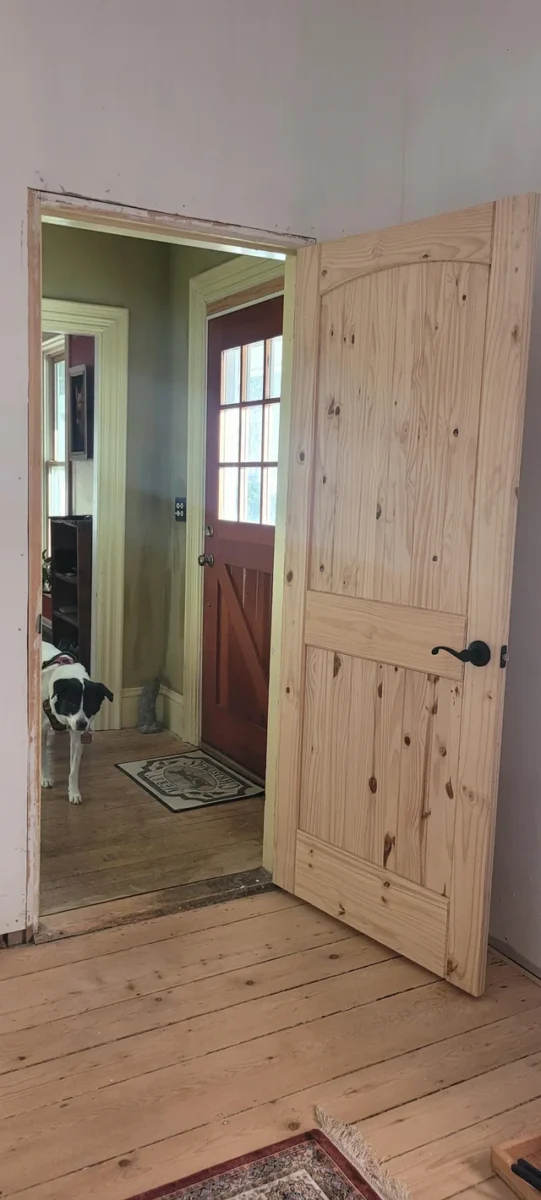
Are you struggling to install a prehung solid wood door on uneven floors? Don’t worry; you’re not alone! Installing doors can be tricky, especially when your floors aren’t perfectly level. But with the right tools and guidance, you can do this yourself, step by step. Let’s dive in!
—
Understanding Prehung Solid Wood Doors
What is a Prehung Solid Wood Door?
A prehung solid wood door is a door that comes already installed in its frame. This means that the door, frame, hinges, and often the door knob are all together as one complete unit. This makes it easier to install, especially for beginners.
Benefits of Using Prehung Doors
Using prehung doors has several advantages:
Easy Installation: Since the door is already fitted into a frame, it saves you time.
Better Fit: Prehung doors are typically more accurate than doors that you install separately.
Solid Construction: Solid wood doors are durable and provide good insulation.
Common Misconceptions About Solid Wood Doors
Some people think that solid wood doors are too heavy or too expensive. While they can be heavier than hollow-core doors, they are also more durable. And with so many options available, you can find one that fits your budget!
—
Assessing Your Floors
Identifying Uneven Floor Issues
Before installing your door, it’s essential to check your floors. Uneven floors can lead to doors that stick or don’t close properly. Look for:
High spots where the floor rises.
Low spots where the floor dips.
Sloping areas where the floor angles down.
Tools Needed for Assessment
You’ll need a few tools to assess your floors:
A level (a four-foot level is best)
A measuring tape
A straight edge or long board
Measuring Floor Levels Accurately
To measure the level of your floors:
1. Place the straight edge on the floor and check with the level.
2. Note any gaps between the straight edge and the level.
3. Measure the height difference to determine how much adjustment you need.
—
Preparing for Installation
Materials and Tools You’ll Need
Here’s a quick list of materials and tools:
Prehung solid wood door
Shims (wood or composite)
Wood screws
Drill or screwdriver
Level
Measuring tape
Hammer
Utility knife
Choosing the Right Prehung Door
When selecting your prehung door, consider:
The style that fits your home.
The size to ensure it fits the opening.
The wood type for durability and appearance.
Gathering Safety Gear
Safety should always come first! Make sure to wear:
Safety goggles
Work gloves
A dust mask (especially when cutting wood)
—
Removing the Old Door
Steps to Remove the Existing Door
Before installing your new door, you’ll need to take out the old one:
1. Remove the door handle and lock.
2. Unscrew the hinges using a screwdriver.
3. Carefully lift the door out of the frame.
Inspecting the Door Frame
Check the frame for any damage, such as cracks or rot. A damaged frame can affect your new door’s fit and function.
Preparing the Frame for New Installation
Ensure the frame is clean and free of debris. If there are any imperfections, you may need to fix them before installing your new door.
—
Adjusting for Uneven Floors
Understanding Shims and Their Purpose
Shims are small pieces of material (often wood) that help you level your door. They can fill gaps and adjust the height of your door frame.
How to Use Shims Effectively
To use shims:
1. Place shims under the door frame at the hinge side.
2. Adjust until the door is level.
3. Check with your level to ensure it’s straight.
Creating a Level Base for Your Door
Once you have the shims in place, make sure the door is level from both the front to back and side to side. Adjust as necessary until you achieve the perfect level.
—
Installing the Prehung Door
Placing the Door in the Frame
With your door level, carefully place it back into the frame. Hold it in position and make sure it’s still level.
Securing the Door with Screws
Using wood screws, secure the door to the frame:
1. Start with the top hinge.
2. Use a drill to insert screws through the hinge into the frame.
3. Repeat for the bottom hinge.
Checking for Proper Functionality
Once secured, open and close the door a few times to ensure it swings freely without sticking. If it doesn’t, you may need to readjust your shims.
—
Adjusting Door Hardware
Installing the Door Handle and Lock
Follow the instructions that come with your door handle and lock. Usually, it involves attaching the plate to the door and securing it with screws.
Aligning Hinges for Smooth Operation
Ensure your hinges are aligned properly. Adjust as necessary to avoid squeaking or sticking.
Making Final Adjustments
Test the door once again. If it’s not closing smoothly, you may need to add or remove shims slightly to make it fit perfectly.
—
Finishing Touches
Adding Trim and Molding
Once your door is installed and functioning correctly, consider adding trim or molding around the door for a polished look. Use finishing nails to secure the trim in place.
Painting or Staining Your Door
If you want to change the color or finish, now is the time! Sand the door lightly, then apply paint or stain as desired. Let it dry completely.
Cleaning Up the Work Area
Finally, clean your work area. Remove all tools and debris to leave your space tidy.
—
Troubleshooting Common Issues
Door Doesn’t Close Properly
If your door doesn’t close, check your shims. You may need to adjust them to level the door better.
Gaps Between Door and Frame
Gaps can indicate that your door is not seated correctly. Check your shims again; they may need to be adjusted or added.
Squeaky Hinges and How to Fix Them
If your door squeaks, apply a small amount of lubricant to the hinges. This should solve the problem!
—
Key Takeaways
Recap of Major Steps
To recap, the major steps in installing a prehung solid wood door on uneven floors include:
1. Assessing your floor and measuring for level.
2. Preparing the area and choosing the right door.
3. Removing the old door and preparing the frame.
4. Using shims to adjust for unevenness.
5. Installing the new door and hardware.
6. Adding finishing touches.
Best Practices for Future Installations
For future installations, remember to:
Always measure twice before making cuts or adjustments.
Take your time with leveling to ensure the best fit.
Don’t hesitate to ask for help if you need it!
—
Conclusion
Final Thoughts on Installing Prehung Solid Wood Doors
Installing prehung solid wood doors on uneven floors might seem daunting, but with patience and the right steps, you can handle this project like a pro! Remember, every door is unique, so take your time and make adjustments as needed.
Encouragement to Tackle Your Project
So gather your tools, roll up your sleeves, and get ready to enjoy the beauty and functionality of your new door. You’ve got this!
—
FAQ
Can I install a prehung door myself?
Absolutely! Installing a prehung door can be a DIY project. Just follow the steps outlined above, and don’t hesitate to ask for help if you need it.
What should I do if my floor is too uneven?
If your floors are extremely uneven, you may want to consider leveling them before installing the door. This can involve more extensive work, such as using a self-leveling compound.
How long does the installation process take?
The installation process can take anywhere from 2 to 5 hours, depending on your experience level and the condition of your floors. Take your time to ensure everything is done correctly!
By following these guidelines, you’ll be well on your way to successfully installing a prehung solid wood door on uneven floors. Happy DIYing!





Leave a Reply