
Introduction
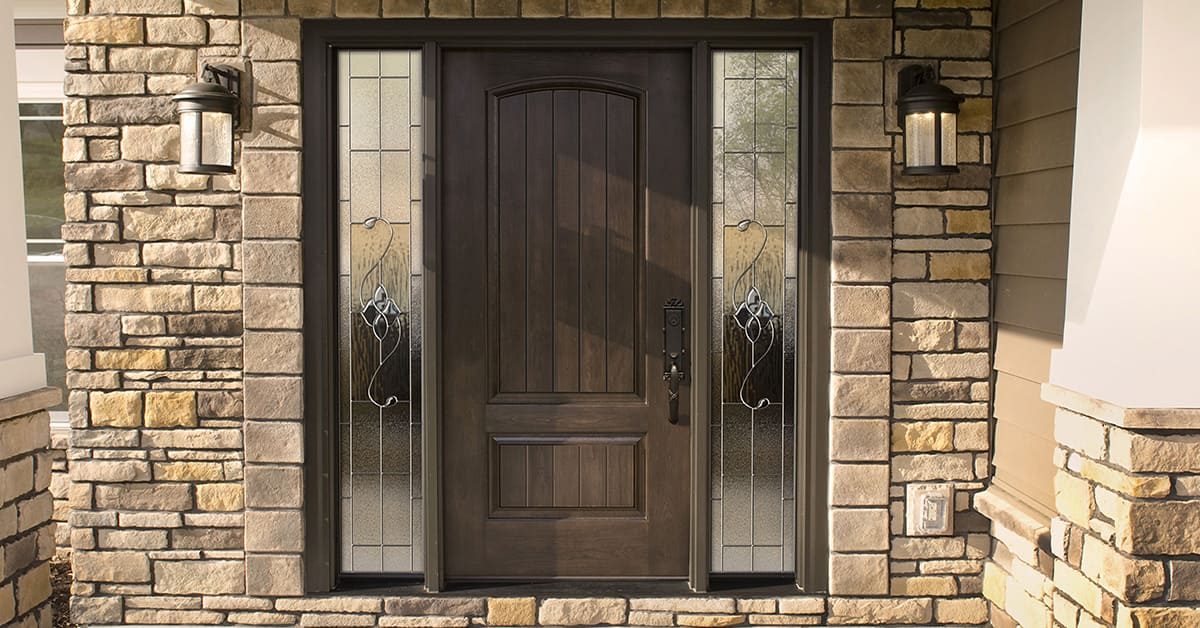
When it comes to keeping your home cozy and energy-efficient during those chilly winter months, the type of exterior door you choose plays a significant role. Enter solid wood exterior doors with insulated cores. These doors not only elevate your home’s aesthetic but also help in maintaining a comfortable indoor temperature. Let’s dive into the world of insulated solid wood exterior doors and understand why they are a smart choice for cold climates.
What Are Solid Wood Exterior Doors?
Solid wood exterior doors are crafted from solid timber, unlike hollow core doors that may be less durable. These doors are often praised for their strength, longevity, and natural beauty. They can be designed in various styles and finishes to match the overall look of your home, making them a popular choice among homeowners.
Why Insulation Matters for Cold Climates
If you live in a cold climate, insulation becomes a vital factor in your door selection. Insulated doors help prevent cold drafts, keeping your living spaces warm without overworking your heating system. This not only enhances your comfort but also results in lower energy bills.
Understanding R-Values
What Is R-Value?
The R-value measures the thermal resistance of a material. In simple terms, it indicates how well a building material can keep heat from escaping. The higher the R-value, the better the insulation. For exterior doors, an R-value typically ranges from 2 to 7, depending on the materials used.
How R-Value Affects Energy Efficiency
Choosing a door with a higher R-value means you’re investing in better energy efficiency. A well-insulated door minimizes heat loss during winter and keeps your home cooler in the summer. This balance not only improves comfort but also reduces the strain on your heating and cooling systems, leading to savings on your energy bills.
Benefits of Insulated Solid Wood Exterior Doors
Enhanced Thermal Performance
Insulated solid wood exterior doors provide exceptional thermal performance. With an insulated core, these doors can significantly reduce heat transfer, ensuring your home stays warm and inviting even in the coldest conditions.
Noise Reduction
Apart from temperature regulation, these doors also offer noise reduction benefits. The solid wood construction combined with insulation can help muffle outside noises, allowing you to enjoy a quieter indoor environment.
Aesthetic Appeal and Home Value
Solid wood doors come in various designs, adding charm and elegance to your home. Not only do they look great, but they also enhance your property’s value. A beautiful, well-insulated door can be a selling point if you ever decide to put your home on the market.
Types of Insulated Solid Wood Exterior Doors
Solid Wood with Insulated Core
Solid wood doors with insulated cores are designed specifically for energy efficiency. The core material, often made from polystyrene or polyurethane, provides additional insulation while maintaining the beauty of solid wood.
Types of Insulation Used
1. Polystyrene: This is a lightweight material that offers good insulation and is resistant to moisture.
2. Polyurethane: A denser option, polyurethane provides superior insulation and strength.
3. Fiberglass: While not wood, some doors use fiberglass for insulation, providing durability and low maintenance.
Comparing Different Styles and Finishes
Solid wood doors come in a variety of styles, from traditional to contemporary. You can choose different wood species, such as oak, maple, or mahogany, and finishes that complement your home’s decor. This versatility means you don’t have to compromise on style for functionality.
Choosing the Right Door for Cold Climates
Assessing Your Home’s Needs
Before purchasing a door, evaluate your home’s specific needs. Consider factors like your local climate, the orientation of your home, and existing insulation. This assessment will help you choose a door that meets your requirements.
Key Features to Look For
When selecting an insulated solid wood door, keep an eye out for:
High R-value: Look for doors with an R-value of 5 or higher.
Weatherstripping: Ensure the door has quality weatherstripping to minimize drafts.
Solid construction: Check for solid wood construction rather than hollow or flimsy materials.
Understanding Local Climate Conditions
Different regions experience varying temperatures, humidity levels, and precipitation. Understanding your local climate can help you choose an exterior door that withstands the elements while providing comfort and efficiency.
Installation Considerations
DIY vs Professional Installation
While some homeowners may opt for a DIY installation, it’s often best to hire a professional for exterior doors. A proper installation ensures that your door is sealed correctly, maximizing its insulation capabilities.
Preparing Your Home for Installation
Before installation, make sure to:
Clear the area around the door.
Remove any old doors or frames.
Check for any necessary repairs to the door frame.
Ensuring Proper Sealing and Weatherproofing
After installation, ensure that the door is properly sealed and weatherproofed. Check for gaps or leaks, and consider using caulking or additional weatherstripping as needed.
Maintenance of Insulated Solid Wood Exterior Doors
Regular Care Practices
To keep your insulated solid wood door in top condition:
Clean regularly: Wipe down with a damp cloth to remove dirt and dust.
Inspect for damage: Check for any signs of wear, such as cracks or peeling paint.
Repaint or refinish as needed: This helps protect the wood from the elements.
Addressing Common Issues
Common issues may include swelling due to humidity or issues with the door frame. Be proactive in addressing these concerns to prevent further damage.
When to Call a Professional
If you encounter significant issues, such as warped doors or severe drafts, it may be time to consult a professional. They can provide advice and solutions tailored to your situation.
Comparing Costs and Value
Initial Investment vs Long-Term Savings
While insulated solid wood exterior doors may have a higher upfront cost, they often lead to long-term savings through reduced energy bills. Investing in quality doors is an investment in your home’s future.
Cost-Effective Options
If you’re on a budget, consider shopping during sales or looking for energy-efficient options that may qualify for rebates. Many manufacturers offer financing options to spread the cost over time.
Financing and Incentives for Energy-Efficient Doors
Check for local or federal incentives for energy-efficient home improvements. Many areas offer tax credits or rebates for homeowners who upgrade to energy-efficient doors.
Real-Life Examples and Case Studies
Homeowner Experiences with Insulated Doors
Many homeowners report significant improvements in comfort and energy efficiency after installing insulated solid wood doors. They often mention the beauty and durability of the doors as added bonuses.
Energy Savings in Cold Climates
Case studies show that homes in cold climates can save up to 30% on heating costs after upgrading to insulated solid wood exterior doors. This can lead to considerable savings over time.
Transformative Impact on Home Comfort
Homeowners frequently express satisfaction with the reduced drafts and noise levels, resulting in a more comfortable living environment.
Conclusion
Key Takeaways
Investing in insulated solid wood exterior doors is a smart choice for anyone living in cold climates. With their enhanced thermal performance, aesthetic appeal, and energy efficiency benefits, these doors are well worth considering.
Why You Should Invest in Insulated Solid Wood Exterior Doors
In summary, insulated solid wood exterior doors are not just about keeping the cold out. They enhance your home’s comfort, value, and energy efficiency. If you’re looking to upgrade your home’s entry points, consider making the switch to insulated solid wood doors—they’re a decision you won’t regret!
Frequently Asked Questions (FAQ)
How do I determine the R-value of my exterior door?
You can often find the R-value listed in the product specifications provided by the manufacturer. If not, consider contacting them directly for this information.
Are insulated solid wood doors worth the investment?
Absolutely! They provide numerous benefits, including energy savings, enhanced comfort, and increased home value, making them a worthwhile investment.
How can I improve the insulation of my current doors?
If you’re not ready to replace your door, consider adding weatherstripping, using door sweeps, or applying a storm door to enhance insulation.
By investing in insulated solid wood exterior doors, you’re not only improving your home’s comfort but also making a choice that’s kind to your wallet and the environment. Happy door shopping!



Leave a Reply