Have you ever wondered if pine wood is safe for your cutting board? Choosing the right material for your cutting board is crucial, not just for aesthetics, but also for food safety. In this blog post, we’ll explore the safety of pine wood for food preparation, ensuring that you make an informed decision for your kitchen.
Understanding Food Contact Safety
What Are Food Contact Materials?
Food contact materials are anything that comes into direct contact with food during preparation, storage, or serving. This includes cutting boards, utensils, plates, and containers. It’s essential that these materials are safe to prevent contamination and ensure that your food remains healthy and delicious.
Importance of Food Safety Standards
Food safety standards are guidelines that help ensure that materials used in food preparation do not leach harmful substances into food. These standards are set by various health organizations and are crucial for preventing foodborne illnesses. When selecting materials like cutting boards, it’s vital to choose those that comply with these safety regulations.
Characteristics of Pine Wood
Properties of Pine Wood
Pine wood is a softwood that is light in color and has a distinctive grain pattern. It is known for being lightweight, affordable, and easy to work with. However, because it is a softwood, it can be more prone to scratches and dents compared to hardwoods.
Common Uses of Pine in Kitchenware
Pine wood is commonly used in various kitchen items, including cutting boards, utensils, and furniture. Its affordability and availability make it a popular choice for many home cooks and chefs.
Is Pine Wood Food Grade?
Defining Food Grade Materials
Food grade materials are those that have been tested and deemed safe for direct contact with food. This means they do not leach harmful chemicals or absorb bacteria that could contaminate your food.
Pine Wood and Food Safety Compliance
While pine wood is not typically classified as food grade by all manufacturers, it can still be used safely in certain contexts. The key is to ensure that the pine wood cutting board you choose is treated and finished with food-safe oils or finishes.
Safety Considerations for Cutting Boards
Bacteria and Wood Surfaces
Wooden cutting boards, including those made from pine, have natural antibacterial properties. Research has shown that bacteria do not thrive as well on wood as they do on plastic. However, proper cleaning and maintenance are essential to ensure safety.
Safe Food Handling Practices
To keep your food safe, always practice proper food handling. This includes washing your hands, using separate cutting boards for raw meat and vegetables, and cleaning your cutting board thoroughly after each use.
Comparing Pine with Other Woods
Hardwoods vs. Softwoods
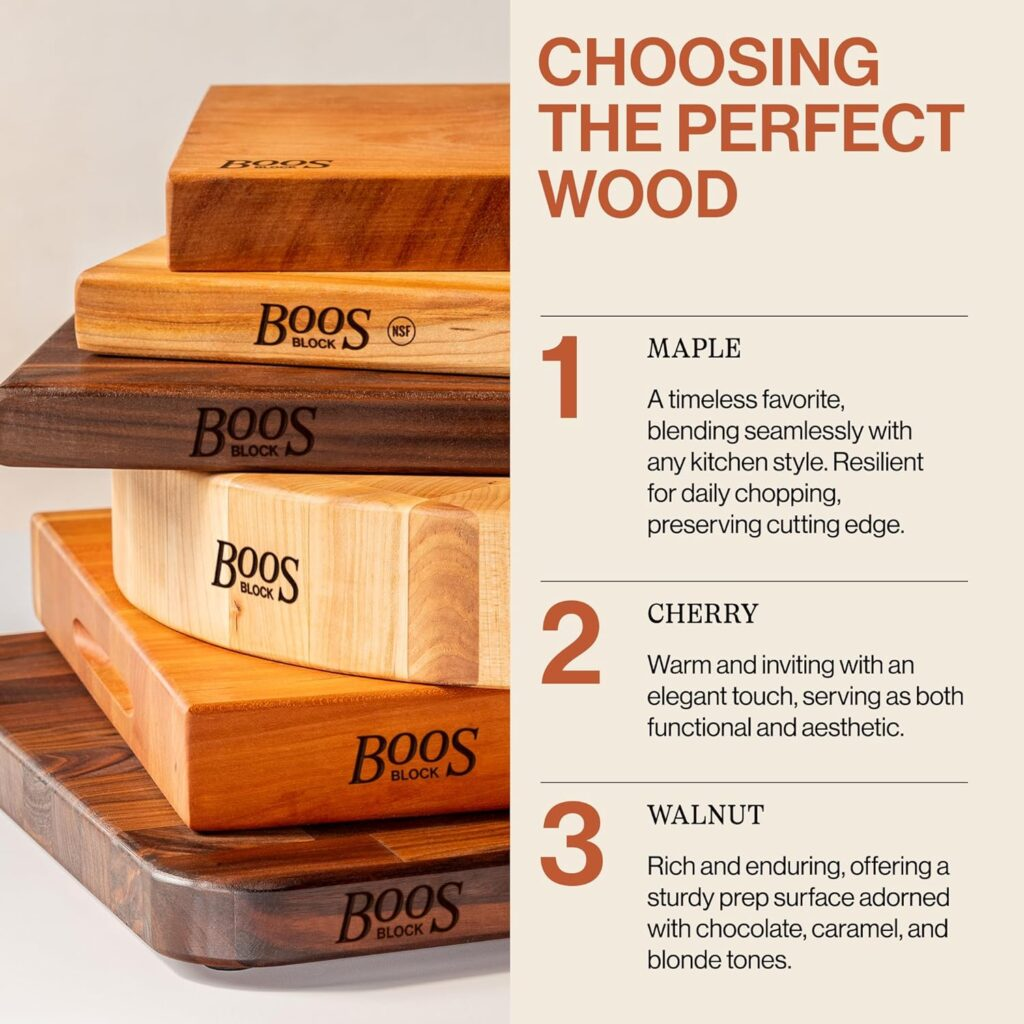
When it comes to cutting boards, hardwoods like maple, walnut, and cherry are often preferred over softwoods like pine. Hardwoods are more durable and less prone to scratching, making them a better long-term investment for your kitchen.
Popular Wood Choices for Cutting Boards
Some popular wood choices for cutting boards include:
Maple: Dense and durable, with a tight grain.
Walnut: Aesthetically pleasing and resistant to bacteria.
Bamboo: Eco-friendly and lightweight.
While pine can be used, it may not be the best option for heavy-duty chopping tasks.
How to Maintain Pine Cutting Boards
Cleaning Your Pine Cutting Board
To keep your pine cutting board in good shape, clean it after each use. Use warm soapy water and avoid soaking it. Rinse thoroughly and allow it to air dry completely to prevent warping.
Oiling and Care Tips
Oiling your cutting board regularly is essential to maintain its condition. Use food-safe mineral oil or beeswax to keep the wood hydrated and prevent cracking. Apply oil every few weeks, or more often if the wood appears dry.
Regulations and Guidelines for Food Contact Safety
Overview of Food Contact Safety Regulations
Food contact safety regulations vary by country but generally require that materials used for food preparation do not pose a risk to health. It’s essential to check that any cutting board you purchase meets local safety standards.
Compliance with Food Safety Guidelines
When selecting a pine cutting board, look for products labeled as “food safe” or compliant with food safety guidelines. This ensures that the wood has been treated appropriately and is safe for your kitchen.
Signs of Wear and Tear on Cutting Boards
When to Replace Your Cutting Board
Even with proper care, cutting boards will eventually wear out. If you notice deep grooves, cracks, or significant discoloration, it may be time to replace your cutting board to avoid potential food safety issues.
Recognizing Damage in Pine Wood
For pine cutting boards, keep an eye out for signs of splintering, warping, or persistent stains. If you see any of these signs, it’s best to retire the board and invest in a new one.
Alternatives to Pine Cutting Boards
Best Wood Types for Food Preparation
If you’re looking for alternatives to pine, consider:
Maple: Durable and easy to maintain.
Walnut: Beautiful and naturally resistant to bacteria.
Bamboo: Sustainable and lightweight.
Pros and Cons of Bamboo and Plastic Options
Bamboo:
– Pros: Eco-friendly, lightweight, and hard.
– Cons: Can be harder on knives compared to softer woods.
Plastic:
– Pros: Dishwasher safe, easy to clean.
– Cons: Can harbor bacteria in scratches.
Key Takeaways
Summary of Pine Wood Safety
In summary, while pine wood can be used for cutting boards, it’s essential to consider its properties and care requirements. Always verify that your pine cutting board is treated with food-safe finishes to ensure safety.
Final Thoughts on Choosing Cutting Boards
When selecting a cutting board, prioritize materials that are durable, easy to maintain, and compliant with food safety guidelines. Whether you choose pine or another type of wood, make sure you take proper care to keep your kitchen safe and clean.
Conclusion
Choosing the right cutting board is a vital step in ensuring food safety in your kitchen. While pine wood can be a safe option if treated correctly, consider your cooking habits and maintenance capabilities. Explore other wood types and materials, and always prioritize safety and hygiene in your food preparation.
FAQ
Can you use a pine cutting board for meat?
Yes, you can use a pine cutting board for meat, but be sure to clean it thoroughly afterward to prevent cross-contamination.
How often should you replace your cutting board?
It’s a good idea to replace your cutting board every few years or when you notice significant wear and tear.
What type of oil is best for maintaining wood cutting boards?
Food-safe mineral oil is the best choice for maintaining wood cutting boards.
Are there any specific care instructions for pine wood?
Yes, clean it with warm soapy water, avoid soaking, and oil it regularly to maintain its condition.
What are the signs that a cutting board is unsafe?
Signs include deep grooves, cracks, persistent stains, or splintering. If you notice any of these, it’s time to replace your cutting board.
By following these guidelines and tips, you can ensure that your kitchen remains a safe and enjoyable place for food preparation!