Introduction to Mahogany Tree Farming
What is Mahogany?
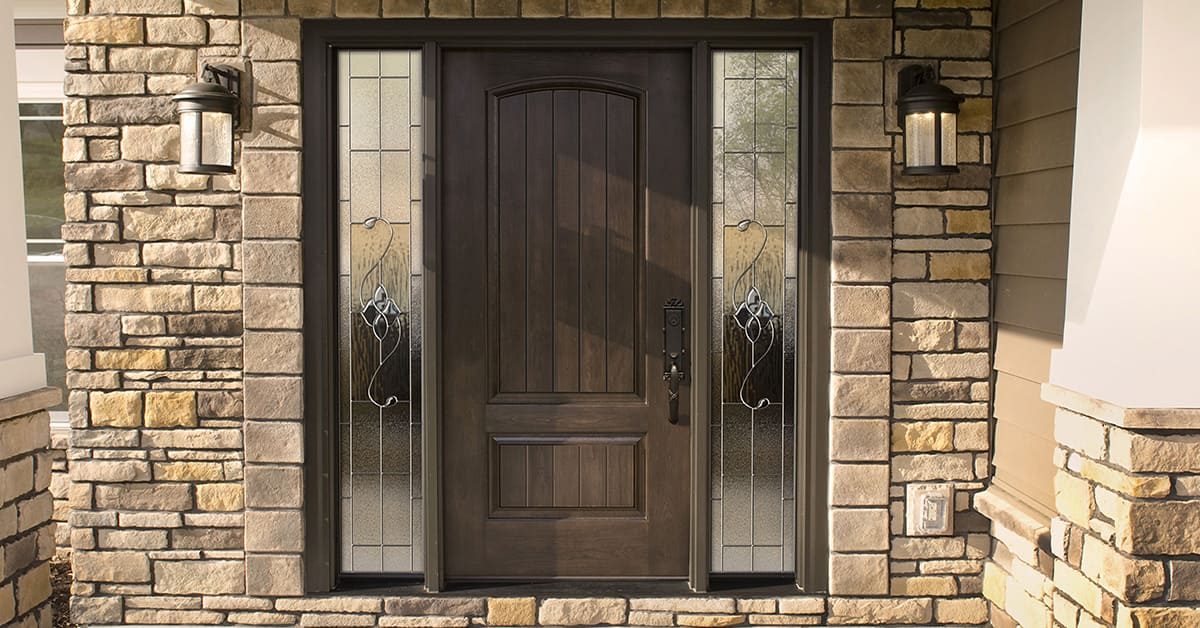
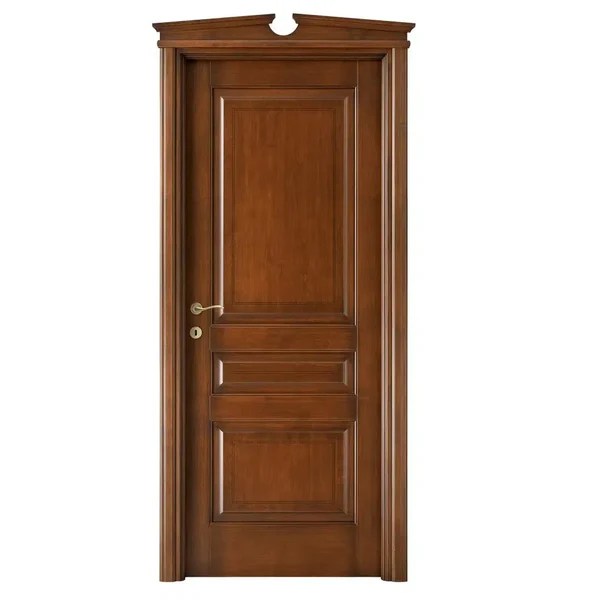
Mahogany is a tropical hardwood tree known for its rich color, durability, and fine grain. It is highly prized in the furniture-making industry and is often used for cabinetry, flooring, and decorative items. The most common species include Swietenia macrophylla, or Honduras mahogany, which is widely recognized for its beauty and quality.
Why Choose Mahogany for Farming?
Choosing mahogany for farming can be a wise decision for several reasons:
High Demand: The demand for mahogany wood remains strong due to its aesthetic appeal and quality.
Profitability: With a potential ROI of up to 400% in 15 years, mahogany farming can be a lucrative investment.
Sustainability: Mahogany can be farmed sustainably, making it an eco-friendly choice that aligns with modern consumer preferences.
Overview of Profit Potential
The profit potential in mahogany farming is significant. Mature mahogany trees can be sold for thousands of dollars each, depending on their size and quality. This makes it possible for farmers to recoup their initial investments and enjoy substantial profits over time.
Understanding the Mahogany Market
Current Trends in Timber Prices
Timber prices fluctuate based on market demand, environmental regulations, and global events. Currently, mahogany prices are on the rise due to increased demand for sustainable wood products. Keeping an eye on these trends can help you time your sales for maximum profit.
Demand for Sustainable Timber
Consumers are increasingly seeking sustainable timber options. This shift is driving up the demand for responsibly sourced mahogany. By focusing on sustainability in your farming practices, you can capture this growing market segment and boost your sales.
Market Forecast for Mahogany
Experts predict that the demand for mahogany will continue to grow over the next decade. As more consumers prioritize sustainability, the market for high-quality, ethically sourced mahogany will likely expand, presenting a profitable opportunity for farmers.
Developing a Mahogany Farming Blueprint
Key Elements of a Farming Blueprint
Creating a farming blueprint involves several key elements:
Site Selection: Choose a location with suitable climate and soil conditions.
Financial Planning: Estimate costs and potential returns.
Management Practices: Outline how you will manage the growth and harvest of your trees.
Setting Your Goals and Objectives
Before you start, it’s essential to set clear goals and objectives. Consider what you want to achieve with your mahogany farm. Are you looking for long-term investment, or do you want to generate income sooner? Your goals will guide your decisions throughout the farming process.
Financial Planning for Your Mahogany Farm
Financial planning is crucial for the success of your mahogany farm. Estimate your startup costs, ongoing expenses, and potential revenue streams. Be sure to account for factors like land costs, labor, and equipment. A solid financial plan will help you stay on track and ensure profitability.
Choosing the Right Location
Climate Requirements for Mahogany Trees
Mahogany trees thrive in tropical climates with:
Warm temperatures: Ideal temperatures range from 70°F to 90°F.
Adequate rainfall: Mahogany requires around 40-100 inches of rainfall per year.
Soil Types and Preparation
Mahogany prefers well-drained, loamy soils rich in organic matter. Before planting, test your soil to ensure it has the right pH and nutrient levels. You may need to amend the soil to create the best conditions for growth.
Accessibility and Water Sources
Access to water is essential for your mahogany farm. Ensure your location has reliable water sources for irrigation, especially during dry spells. Also, consider the accessibility of your farm for equipment and transport when selling your timber.
Sourcing Quality Mahogany Seeds
Selecting the Best Mahogany Varieties
Not all mahogany varieties are created equal. Research and select the best species suited for your region. Swietenia macrophylla is the most popular, but there are other local species you might consider based on your climate.
Where to Buy Seeds or Seedlings
You can buy quality seeds or seedlings from reputable nurseries or agricultural suppliers. Look for suppliers who specialize in tropical hardwoods and have positive reviews from other farmers.
Importance of Genetic Diversity
Planting a variety of mahogany genetics can enhance the resilience and health of your trees. Genetic diversity reduces the risk of disease and increases the overall quality of your timber.
Planting and Cultivation Techniques
Ideal Planting Techniques
When planting mahogany, follow these steps:
1. Prepare holes that are twice as wide and deep as the root ball.
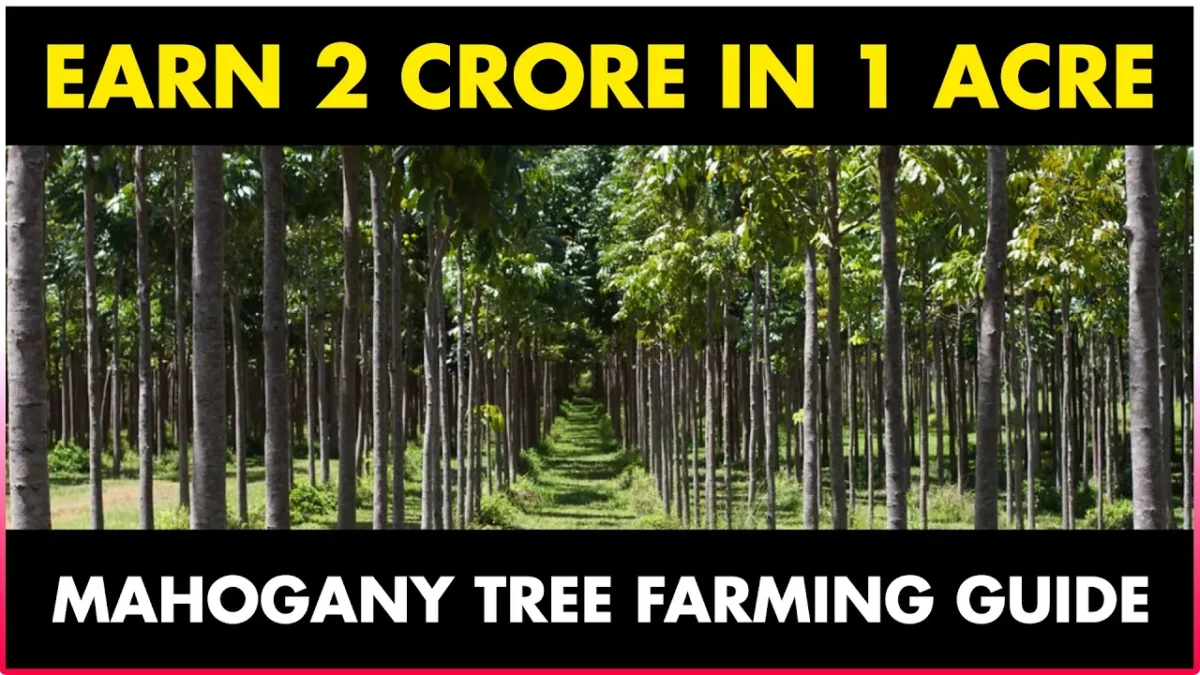
2. Space trees at least 10-15 feet apart to allow for healthy growth.
3. Plant during the rainy season for the best chance of survival.
Spacing and Density Considerations
Proper spacing is crucial for the growth of mahogany trees. Crowding can lead to competition for resources, resulting in unhealthy trees. Aim for a density that allows each tree to access sunlight, water, and nutrients.
Maintenance Practices for Healthy Growth
Regular maintenance is essential for healthy trees. This includes:
Watering: Ensure young trees receive adequate water.
Weeding: Control weeds that compete for resources.
Fertilizing: Apply fertilizers based on soil tests to provide necessary nutrients.
Pest and Disease Management
Common Pests Affecting Mahogany
Common pests that can affect mahogany include:
Bark beetles
Caterpillars
Leaf miners
Being aware of these pests can help you take preventive measures.
Preventive Measures and Treatments
To manage pests effectively:
Monitor your trees regularly for signs of infestation.
Use traps and natural predators to control pest populations.
Organic vs. Chemical Solutions
Consider using organic solutions whenever possible to promote sustainability. However, if infestations become severe, you may need to use chemical treatments. Always follow guidelines for safe application.
Sustainable Practices in Mahogany Farming
Agroforestry Business Model Explained
Agroforestry combines agriculture and forestry to create sustainable land-use systems. By integrating mahogany farming with crops or livestock, you can enhance biodiversity, improve soil health, and increase your overall farm profitability.
Benefits of Sustainable Timber Production
Sustainable timber production has numerous benefits:
Environmental Protection: Reduces deforestation and protects ecosystems.
Economic Viability: Can lead to higher profits due to premium pricing for sustainable products.
Social Responsibility: Meets the growing consumer demand for environmentally friendly products.
Certifications and Eco-Friendly Practices
Consider obtaining certifications like the Forest Stewardship Council (FSC) to validate your commitment to sustainable practices. These certifications can help you access premium markets and improve your brand reputation.
Harvesting and Selling Your Mahogany
When to Harvest Mahogany Trees
Mature mahogany trees can take 15-25 years to reach full size. Typically, they are ready for harvest when they reach a diameter of about 24 inches. Monitor your trees closely to determine the best time to harvest.
Best Practices for Harvesting
When harvesting mahogany, follow these best practices:
Use proper tools: Invest in high-quality saws and equipment.
Minimize damage: Take care to avoid damaging surrounding trees during the process.
Follow regulations: Adhere to local laws regarding timber harvesting.
Marketing Your Timber for Maximum Profit
To maximize your profits:
Build relationships with local furniture makers and timber buyers.
Utilize online platforms to reach a broader market.
Emphasize the sustainable nature of your mahogany to attract eco-conscious consumers.
Conclusion and Key Takeaways
Recap of Key Strategies
In summary, growing mahogany trees for profit involves:
Understanding the market and demand for mahogany.
Developing a comprehensive farming blueprint.
Choosing the right location and maintaining healthy trees.
Practicing sustainable farming techniques.
Final Thoughts on Mahogany Farming
Mahogany tree farming is a rewarding venture that offers significant financial returns if done correctly. By following this blueprint, you can build a successful mahogany farm that benefits both you and the environment.
FAQs About Growing Mahogany Trees
How long does it take for mahogany trees to mature?
Mahogany trees typically take 15-25 years to reach maturity.
What is the average yield from a mahogany farm?
The yield can vary significantly based on factors like location and care but can average between 50-100 cubic feet of timber per acre.
How can I ensure my mahogany farming is sustainable?
By following best practices for agroforestry, using organic methods, and obtaining sustainability certifications.
What are the risks involved in mahogany tree farming?
Risks include market fluctuations, pest infestations, and environmental changes.
Are there grants or financial aids available for tree farming?
Yes, there are various government and non-profit programs that offer grants and financial assistance for sustainable farming practices.
With this complete farming blueprint, you’re now equipped to start your journey into mahogany tree farming. Best of luck on your profitable adventure!