
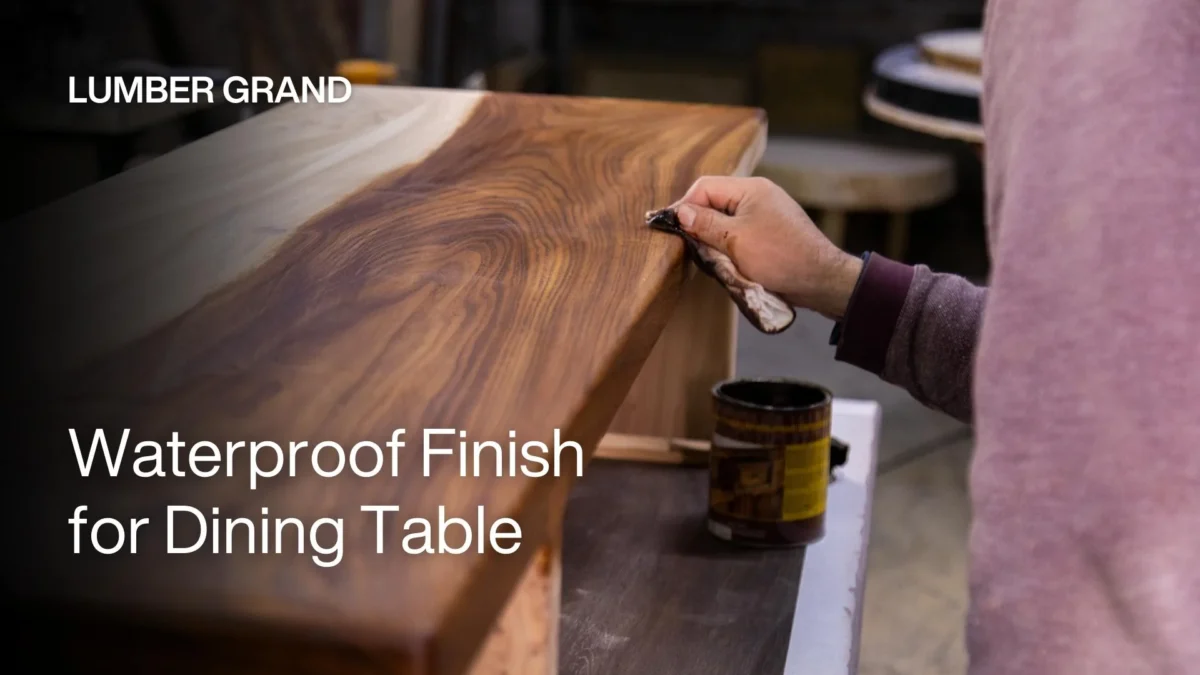
Importance of Protecting Your Solid Wood Dining Table
Your dining table is not just a piece of furniture; it’s the heart of your home. It’s where family and friends gather for meals, celebrations, and conversations. Because of this, it’s essential to protect your solid wood dining table. A well-maintained table not only looks beautiful but also lasts longer, preserving memories for years to come.
Common Issues: Water Rings and Stains
One of the most common problems you might face with wooden tables is water rings and stains. These can occur from spilled drinks, hot dishes, or even condensation from cold beverages. Without the right protection, your beautiful table can quickly become marred with unsightly marks that detract from its charm.
Overview of This Tutorial
In this blog post, we’ll explore the best finish for solid wood dining tables to prevent water rings and stains. We’ll discuss what makes a finish ideal, highlight the top five finishes, and provide tips on applying and maintaining them. Let’s dive in!
What Makes a Finish the Best for Solid Wood Dining Tables?
Definition of a Finish
A finish is a protective coating applied to wood surfaces to enhance their appearance and durability. It can provide a barrier against moisture, heat, and dirt, making it crucial for surfaces like dining tables.
Key Properties of an Ideal Finish
An ideal finish should have several key properties:
Water Resistance: To prevent water rings.
Stain Resistance: To protect against spills.
Durability: To withstand daily use.
Ease of Application: So you can do it yourself without hassle.
Comparing Different Types of Finishes
There are many finishes available, including oil-based, water-based, and varnish. Each has unique characteristics that can significantly affect the performance and look of your dining table.
The Top 5 Finishes for Solid Wood Dining Tables
Finish #1: Polyurethane
#### Benefits and Drawbacks
Benefits:
Highly durable and water-resistant.
Available in both oil-based and water-based options.
Easy to clean.
Drawbacks:
Can be challenging to apply evenly.
Oil-based versions may yellow over time.
#### Application Tips
Prepare the surface by sanding it smooth.
Apply using a foam brush or a lint-free cloth.
Allow adequate drying time between coats.
Finish #2: Varnish
#### Benefits and Drawbacks
Benefits:
Provides a hard, protective layer.
Good resistance to water and heat.
Available in various sheens.
Drawbacks:
Longer drying times compared to other finishes.
May require more effort to apply.
#### Application Tips
Thin the first coat with mineral spirits for better adhesion.
Use a high-quality brush to avoid brush marks.
Sand lightly between coats for a smoother finish.
Finish #3: Lacquer
#### Benefits and Drawbacks
Benefits:
Dries quickly, allowing multiple coats in one day.
Offers a high-gloss finish that enhances wood grain.
Drawbacks:
Requires more ventilation during application due to fumes.
Can be difficult to repair if damaged.
#### Application Tips
Use a spray gun for the best results.
Apply thin coats and wait for them to dry completely before adding more.
Consider using a lacquer thinner for cleaning brushes.
Finish #4: Oil Finish (e.g., Tung Oil)
#### Benefits and Drawbacks
Benefits:
Deeply penetrates the wood, enhancing its natural beauty.
Easy to apply and repair.
Non-toxic options are available.
Drawbacks:
May not be as water-resistant as other finishes.
Requires more frequent reapplication.
#### Application Tips
Apply with a soft cloth in a circular motion.
Allow the oil to soak in for a while before wiping off excess.
Reapply every few months for ongoing protection.
Finish #5: Water-Based Finish
#### Benefits and Drawbacks
Benefits:
Quick drying and low odor.
Clear finish that won’t yellow over time.
Easy clean-up with soap and water.
Drawbacks:
May not be as durable as oil-based finishes.
Can raise the grain of the wood, requiring extra sanding.
#### Application Tips
Sand the surface before applying the first coat.
Use a synthetic brush for the best application.
Apply multiple thin coats for optimal protection.
How to Apply Finishes to Your Solid Wood Dining Table
Preparing the Surface
Before applying any finish, make sure to prepare your table properly. Sand the surface with fine-grit sandpaper to create a smooth finish, and clean off any dust with a tack cloth.
Step-by-Step Application Process
1. Choose Your Finish: Select the finish that best meets your needs and style.
2. Apply the First Coat: Use your chosen application tool (brush, cloth, or spray) to apply the first coat.
3. Allow it to Dry: Follow the manufacturer’s instructions for drying times.
4. Sand Between Coats: Once dry, lightly sand the surface to ensure good adhesion for the next coat.
5. Repeat: Apply additional coats as needed, usually two to three for optimal protection.
Curing and Drying Times
Always check the label for specific drying and curing times. Some finishes may feel dry to the touch but can take longer to cure completely—up to several weeks.
Maintaining Your Finished Table
Cleaning Tips for Wood Tables
Use a soft, damp cloth to wipe down the surface.
Avoid harsh chemicals and abrasive cleaners, which can damage the finish.
For sticky spots, a mixture of mild soap and water can work wonders.
Reapplying Finish: When and How?
Reapply your finish every 1-3 years, depending on wear and tear. Lightly sand the surface before applying a new coat to ensure proper adhesion.
Avoiding Common Mistakes
Don’t skip the sanding step; it’s crucial for a smooth finish.
Avoid applying too thick of a coat, which can lead to drips and uneven surfaces.
Be patient with drying times; rushing can lead to a poor finish.
Preventing Water Rings and Stains
The Importance of Coasters and Place Mats
To keep your table looking its best, always use coasters and place mats. These simple items can absorb moisture and heat, protecting your table from unsightly rings and stains.
Tips for Everyday Care
Wipe up spills immediately to prevent staining.
Use a soft cloth to dust regularly, avoiding scratching the surface.
Keep hot items off the table or use trivets to protect the finish.
Quick Fixes for Water Rings and Stains
For minor water rings, try rubbing a small amount of olive oil or mayonnaise on the spot with a soft cloth.
For tougher stains, a mixture of baking soda and water can help lift the mark.
Choosing the Right Finish for Your Style
Matching Finishes with Your Decor
Consider the overall style of your home when selecting a finish. A glossy lacquer might suit a modern space, while a matte oil finish may fit better in a rustic setting.
Color and Sheen Considerations
Different finishes can alter the color of your wood. Test a small area first to see how it looks. The sheen—whether glossy, satin, or matte—also affects the final appearance.
Personal Preference: Glossy vs. Matte Finishes
Glossy finishes reflect more light and can enhance colors, while matte finishes offer a more subdued look. Choose what resonates with your personal style and the atmosphere you want to create.
Eco-Friendly Finish Options
Why Choose Eco-Friendly Finishes?
Eco-friendly finishes are better for the environment, often using natural ingredients and emitting fewer volatile organic compounds (VOCs). They are a healthier choice for your home and family.
Top Eco-Friendly Finishes for Wood Tables
Natural Oils: Such as linseed or hemp oil.
Water-Based Finishes: Low in VOCs and safe for indoor use.
Plant-Based Varnishes: Offer durability without harmful chemicals.
Conclusion
Recap of Key Points
Protecting your solid wood dining table is essential to maintaining its beauty and longevity. By choosing the best finish for solid wood dining tables to prevent water rings and stains, you can enjoy your table for years to come.
Encouragement to Protect Your Table
Don’t wait until it’s too late! Start by selecting a finish that suits your style and needs. With the right care, your dining table can remain a cherished centerpiece in your home.
Final Thoughts on Choosing the Best Finish
Remember, the right finish not only protects your table but also enhances its natural beauty. Take your time to research and choose wisely, and enjoy the process of caring for your solid wood dining table.
FAQ
What is the best finish for solid wood dining tables?
The best finishes include polyurethane, varnish, lacquer, and oil finishes, each offering unique benefits for water and stain protection.
How do I remove water rings from my wooden table?
Try using a mixture of equal parts vinegar and olive oil, applying it gently with a soft cloth to remove the ring.
Can I use oil finishes on all types of wood?
Most oil finishes work well with hardwoods, but always test in an inconspicuous area first, especially on softer woods.
How often should I reapply the finish?
Reapplication is typically needed every 1-3 years, depending on how much wear and tear your table experiences.
Are there any finishes to avoid?
Avoid finishes that contain high levels of VOCs or those that are not suitable for furniture, such as certain types of paint and industrial varnishes.
Key Takeaways
Understanding the importance of finishes for protecting your solid wood dining table.
Knowing the top finishes available and how to apply them effectively.
Maintaining your table to prevent damage and prolong its life.
With the right finish, your dining table can continue to be a source of joy and connection for many years to come!



Leave a Reply