What Are Material Types?
When it comes to interior design, material types play a crucial role in how your space looks and feels. Material types refer to the various substances used in construction and decor, such as wood, metal, glass, and more. Each material has its own unique properties, advantages, and disadvantages that can significantly impact your home’s aesthetic and functionality.
Importance of Choosing the Right Material
Choosing the right material is essential for achieving the look and durability you desire. It can affect everything from the ambiance of your room to your budget. Whether you’re just starting a renovation or looking to update a single room, understanding the material types available to you is important. Among the popular choices for interior walls are solid wood and veneer paneling. Let’s dive into what each of these materials offers!
Overview of Solid Wood
Characteristics of Solid Wood
Solid wood is made from natural lumber that has been cut directly from trees. It is sturdy and robust, offering a rich texture and warmth that many homeowners adore. Some key characteristics of solid wood include:Durability: Solid wood is known for its strength and longevity.
Natural Beauty: Each piece of wood has a unique grain pattern that adds character.
Versatile Finishes: You can stain or paint solid wood to match your decor.
Types of Wood Used in Paneling
Several types of wood are commonly used for paneling, including:Oak: Known for its strength and durability, oak has a prominent grain.
Maple: A lighter wood with a smooth texture, maple is often used in modern designs.
Cherry: Cherry wood darkens with age, giving it a rich, deep color over time.
Benefits of Using Solid Wood
There are many reasons to consider solid wood for your interior walls:Longevity: With proper care, solid wood can last for generations.
Value: Solid wood often adds value to your home.
Air Quality: It can help regulate humidity and improve indoor air quality.
Understanding Veneer Paneling
What is Veneer?
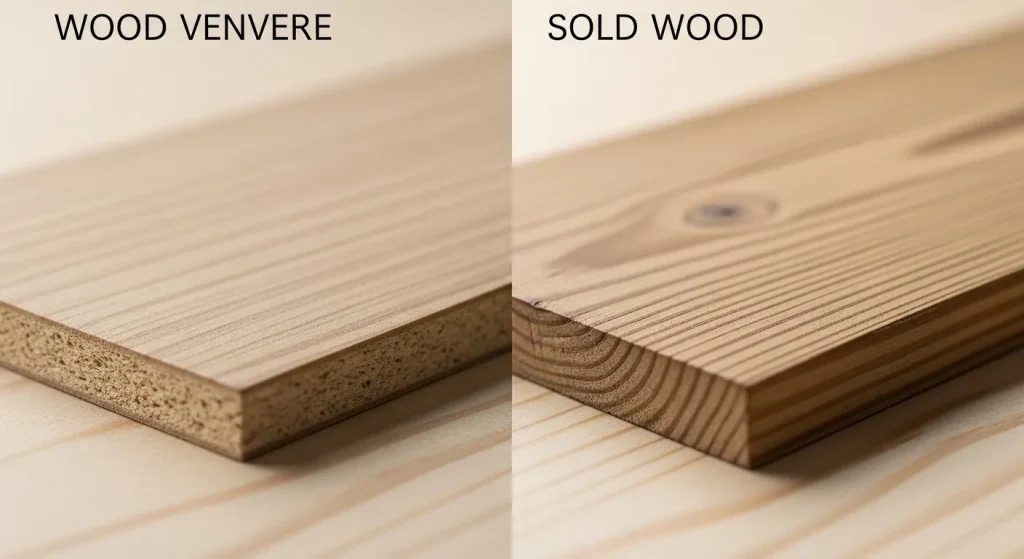
Veneer is a thin layer of wood that is glued onto core panels, such as wood, particle board, or medium-density fiberboard (MDF). This allows you to achieve the look of solid wood without the high cost.
How Veneer is Made
The process of making veneer involves slicing logs into thin sheets, which are then adhered to a stable backing material. This method provides a beautiful wood finish while being more cost-effective and resource-efficient.
Advantages of Veneer Paneling
Veneer paneling has its own set of benefits:Cost-Effective: Veneer is generally much cheaper than solid wood.
Lightweight: Veneer panels are easier to handle and install.
Eco-Friendly: Using less wood for a similar appearance makes veneer a more sustainable option.
Comparing Material Properties
Durability: Solid Wood vs. Veneer
In terms of durability, solid wood outperforms veneer. Solid wood can withstand wear and tear over time, while veneer can be more susceptible to scratches and dents. However, with proper maintenance, veneer can still last many years.
Maintenance Needs for Each Material
Solid Wood: Requires regular polishing and occasional refinishing to maintain its beauty.
Veneer: Needs less maintenance but should be cleaned gently to avoid damaging the surface.
Aesthetic Appeal: Visual Differences
When it comes to aesthetics, solid wood offers a rich, natural look with unique grain patterns. Veneer, although it can mimic solid wood, may lack some of the depth and texture. However, it can still look beautiful and modern, especially in minimalist designs.
Cost Considerations
Initial Costs of Solid Wood vs. Veneer
The initial cost of solid wood paneling is typically higher than that of veneer. This is due to the price of the raw material and the labor involved in sourcing quality wood. Veneer, on the other hand, is more affordable and can fit into tighter budgets.
Long-Term Value and Investment
While solid wood may have a higher upfront cost, it often adds more value to your home in the long run. Veneer can be a great choice for budget-conscious homeowners but may not provide the same return on investment.
Cost-Effective Alternatives
If you’re looking for a balance between cost and aesthetics, consider engineered wood. Engineered wood combines layers of wood and can offer the look of solid wood at a lower price point.
Environmental Impact
Sustainability of Solid Wood
Sustainably sourced solid wood can be an environmentally friendly choice, but it’s essential to ensure that the wood comes from responsibly managed forests. Always look for certifications like the Forest Stewardship Council (FSC) label.
Eco-Friendly Aspects of Veneer
Veneer is often considered more environmentally friendly than solid wood because it uses less wood to achieve a similar aesthetic. This makes it a great option for those looking to minimize their environmental impact.
Responsible Sourcing of Materials
Regardless of the material you choose, ensuring that your wood comes from sustainable sources is crucial. This helps protect forests and the environment while supporting responsible industry practices.
Installation Process
Installing Solid Wood Paneling
Installing solid wood paneling can be a bit more involved. It typically requires professional installation or at least a good amount of DIY knowledge. Solid wood needs to be properly measured, cut, and sometimes finished on-site.
Installing Veneer Paneling
Veneer paneling is generally easier to install, making it a great choice for DIY projects. It can be cut and attached more easily than solid wood, which can be heavy and cumbersome.
DIY vs. Professional Installation
If you’re handy, you might feel confident in taking on the installation of veneer paneling. However, solid wood installation may be best left to professionals, especially if you want a flawless finish.
Design Flexibility and Options
Style Choices with Solid Wood
Solid wood offers a wide range of styles, from rustic to modern. You can choose from different finishes, grains, and colors, allowing you to create the perfect look for your space.
Design Options with Veneer
Veneer also comes in various styles and can be designed to resemble different types of wood. You can find it in sleek, contemporary designs or more traditional looks, giving you plenty of options.
Customization Possibilities
Both solid wood and veneer can be customized to fit your design vision. Whether you want a specific color or finish, there are options available for both materials.
Key Takeaways from the Comparison
Summary of Pros and Cons
Solid Wood Pros:
Durability
Natural beauty
Adds value to your home
Solid Wood Cons:
Higher cost
More maintenance required
Veneer Pros:
Cost-effective
Lightweight
Eco-friendly
Veneer Cons:
Less durable
May lack the authenticity of solid wood
Your Ideal Use Case: Solid Wood or Veneer?
If you’re looking for longevity and natural beauty, solid wood is the way to go. However, if you’re working with a budget or want a lightweight option, veneer paneling can be an excellent choice.
Making the Right Choice for Your Space
Consider your personal needs, budget, and design preferences when choosing between solid wood and veneer. Both materials can elevate your interiors, but one may serve your needs better than the other.
Frequently Asked Questions
Can I mix solid wood and veneer?
Yes! Many homeowners successfully mix solid wood and veneer to create a unique and stylish look. Just ensure that the combination complements your overall design.
How do I care for solid wood paneling?
To care for solid wood paneling, regularly dust and clean it with a soft cloth. Avoid harsh chemicals and consider refinishing it every few years to keep it looking its best.
Is veneer paneling durable enough for high-traffic areas?
Veneer can work in low to moderate traffic areas, but it may not be the best choice for high-traffic spaces like hallways. If durability is a concern, solid wood may be the better option.
Conclusion
Choosing between solid wood and veneer paneling for your interior walls can seem daunting, but understanding the characteristics, benefits, and drawbacks of each will help you make an informed decision. Remember to consider your personal needs, budget, and design vision. Whichever material you choose, both solid wood and veneer can bring beauty and warmth to your home! Happy decorating!