Introduction
Why Choose a Cutting Board?
When it comes to preparing meals, having the right tools can make all the difference. A good cutting board is essential for protecting your countertops, keeping your knives sharp, and making food prep easier. But with so many options available, you might wonder which type of cutting board is best for you.
The Appeal of Exotic Woods
Among the various materials out there, exotic woods stand out due to their unique beauty and functionality. Teak wood, in particular, has gained popularity in kitchens around the world. But is it worth the premium price? Let’s dive in to discover whether teak wood is good for cutting boards, along with its pros and cons.
What is Teak Wood?
Characteristics of Teak Wood
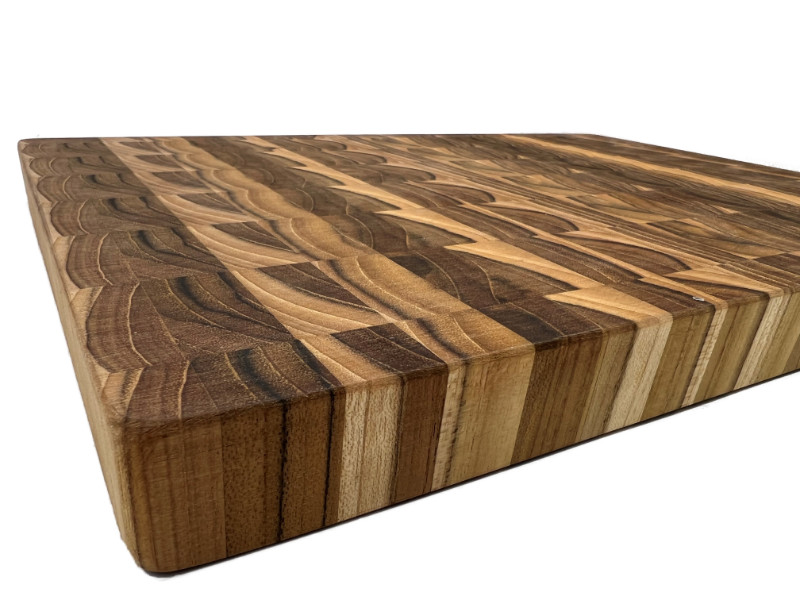
Teak is a dense hardwood that is known for its rich golden-brown color and beautiful grain patterns. It is naturally oily, which contributes to its durability and resistance to moisture. This oiliness also makes teak easier to clean and less prone to warping, cracking, or splitting over time.
Origin and Availability of Teak
Teak wood primarily comes from Southeast Asia, particularly countries like Myanmar, Thailand, and Indonesia. The demand for teak has led to sustainable farming practices, but it’s still essential to ensure that your teak products are sourced responsibly.
Pros of Teak Wood for Cutting Boards
Durability and Longevity
One of the standout features of teak wood is its durability. A well-cared-for teak cutting board can last for decades, making it a worthwhile investment in your kitchen.
Natural Resistance to Moisture and Bacteria
Teak’s natural oils provide a barrier against moisture, which is crucial in a kitchen setting. This resistance also helps keep bacteria at bay, making your food preparation safer.
Aesthetic Appeal and Unique Grain Patterns
Teak wood is not just functional; it’s also beautiful. The unique grain patterns and colors can add a touch of elegance to your kitchen. Imagine placing a gorgeous teak cutting board on your countertop—it’s a piece that can serve both practical and decorative purposes.
Cons of Teak Wood for Cutting Boards
Cost Comparison with Other Woods
While teak is incredibly durable, it comes with a higher price tag compared to other cutting board materials like bamboo or maple. If you’re on a budget, you might want to weigh whether the benefits justify the cost.
Weight and Handling
Teak is heavier than many other woods, which can make it more cumbersome to handle. If you prefer a lighter cutting board for easy maneuverability, this might be a drawback for you.
Environmental Concerns
While teak can be sustainably harvested, there are still concerns regarding deforestation and environmental impact. It’s crucial to purchase teak that comes from certified sustainable sources to minimize your ecological footprint.
Teak Wood vs. Other Cutting Board Materials
Bamboo vs. Teak: A Comparison
Bamboo cutting boards are often cheaper and lighter than teak. However, they may not be as durable or resistant to bacteria. If you prefer an eco-friendly option and don’t mind replacing boards more frequently, bamboo could be a good choice.
Maple vs. Teak: Which is Better?
Maple is another popular choice for cutting boards. It is durable and has a lighter weight than teak. However, it lacks the natural oils that make teak resistant to moisture and bacteria. If you’re looking for a balance between cost and functionality, maple might serve you well.
Plastic vs. Wood: Pros and Cons
Plastic cutting boards are easy to clean and often cheaper, but they can dull your knives more quickly and may harbor bacteria in deep scratches. On the other hand, wood, especially teak, is more gentle on your knives and has natural antibacterial properties.
Benefits of Using Teak Wood Cutting Boards
Enhanced Cooking Experience
Using a teak cutting board can elevate your cooking experience. The smooth surface allows for easy chopping and slicing, making meal prep more enjoyable.
Easy on Knives
Teak is gentle on your knives, helping to keep them sharp longer. This means less frequent sharpening and a better overall cooking experience.
Sustainable Options Available
Many brands offer teak cutting boards sourced from sustainable forests. By choosing these options, you can enjoy the beauty of teak while supporting environmentally responsible practices.
How to Maintain Your Teak Cutting Board
Cleaning Tips for Longevity
To keep your teak cutting board in top condition, wash it with warm, soapy water after each use. Avoid submerging it in water or putting it in the dishwasher, as this can lead to warping and cracking.
Oiling Your Teak Board
Regularly oiling your teak cutting board is essential for maintaining its beauty and functionality. Use food-safe mineral oil or a specialized cutting board oil every few months to keep the wood hydrated and prevent it from drying out.
Avoiding Common Mistakes
Avoid using harsh detergents or soaking your board in water. Additionally, steer clear of using it as a surface for raw meat if you want to maximize its antibacterial properties.
Where to Buy Teak Cutting Boards
Local Stores vs. Online Shopping
You can find teak cutting boards at both local kitchenware stores and online. Shopping locally allows you to see the product in person, while online shopping often offers a wider selection and better prices.
What to Look for When Buying Teak
When purchasing a teak cutting board, look for certifications that indicate it was sourced sustainably. Check for the thickness of the board, as thicker boards tend to be more durable.
Key Takeaways
Summary of Pros and Cons
In summary, teak cutting boards have many advantages, including their durability, natural resistance to moisture, and aesthetic appeal. However, they come at a higher cost and can be heavier than other materials.
Your Decision-Making Process
Consider your cooking habits, budget, and environmental concerns when deciding whether a teak cutting board is right for you.
FAQ
Is teak wood good for cutting boards?
Yes, teak wood is excellent for cutting boards due to its durability, natural moisture resistance, and beautiful appearance.
How often should I oil my teak cutting board?
You should oil your teak cutting board every few months or whenever the wood looks dry. Regular oiling will help maintain its beauty and functionality.
Can I put my teak cutting board in the dishwasher?
No, you should never put your teak cutting board in the dishwasher. Hand wash it with mild soap and water to ensure its longevity.
Conclusion
Final Thoughts on Teak Cutting Boards
Teak cutting boards are not just a kitchen tool; they are a beautiful addition that can enhance your cooking experience. Their durability and resistance to moisture make them a strong contender for anyone serious about cooking.
Making Your Choice: Is the Premium Price Worth It?
Ultimately, whether the premium price of a teak cutting board is worth it depends on your personal preferences and cooking style. If you value aesthetics, durability, and ease of maintenance, investing in a teak cutting board may be a decision you won’t regret. Happy cooking!