Address
304 North Cardinal
St. Dorchester Center, MA 02124
Work Hours
Monday to Friday: 7AM - 7PM
Weekend: 10AM - 5PM
Address
304 North Cardinal
St. Dorchester Center, MA 02124
Work Hours
Monday to Friday: 7AM - 7PM
Weekend: 10AM - 5PM
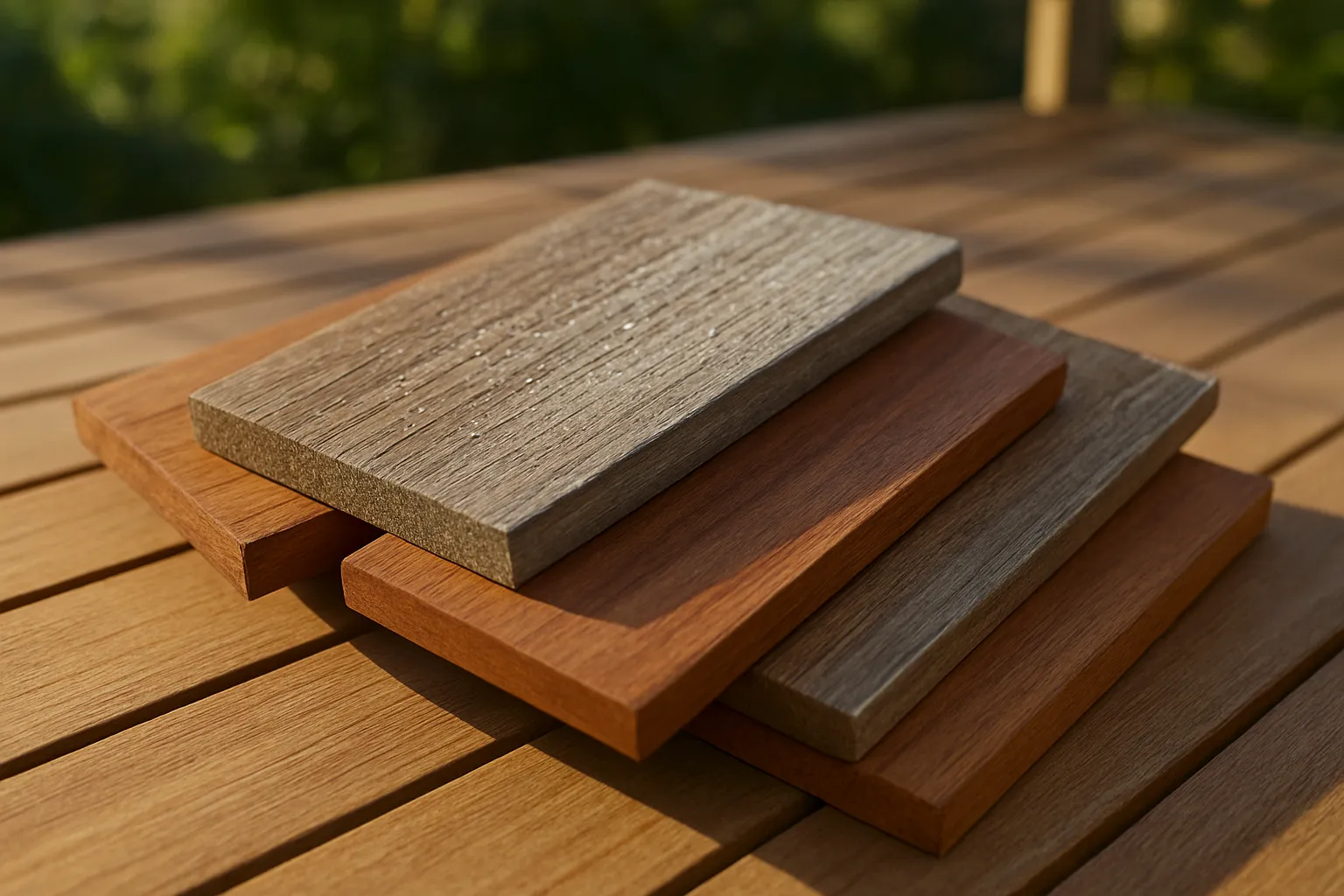
Your deck furniture takes a beating. Sun, rain, humidity, temperature swings, and the occasional spilled drink all conspire against it. And unlike indoor furniture, there’s nowhere to hide. So when you’re shopping for or building deck furniture, the wood you choose matters more than almost any other decision.
The problem? There’s no single “best” wood for everyone. Teak is legendary, but not everyone wants to spend premium money. Cedar is affordable and rot-resistant, but it dents. Acacia looks great and costs less than teak, but it asks for annual attention. The right answer depends on your climate, your budget, and how much maintenance you’re actually willing to do.
This guide breaks down the top wood species for deck furniture, compares them head-to-head, and helps you match the right wood to your situation — so you buy or build once, instead of replacing everything in two years.
Outdoor furniture lives a hard life. It’s exposed to UV rays that break down fibers, rain that seeps into grain, and freeze-thaw cycles that split boards apart. Pick the wrong wood, and you’ll be dealing with rot, warping, and cracked joints within one to two years.
Pick the right one, and you might hand your furniture down to your kids.
So what actually separates a good deck furniture wood from a bad one? Five factors:
Durability. Dense, tight-grained woods resist wear, dents, and structural failure. Softwoods like pine dent easily and break down faster under constant use.
Moisture resistance. The best outdoor woods either have natural oils that repel water (teak, acacia) or natural compounds that resist fungal decay (cedar, redwood, black locust). Wood that soaks up water like a sponge is a rot risk.
Insect resistance. Termites and borers love soft, untreated wood. Naturally resistant species — teak, black locust, redwood — make a much less appealing meal.
Maintenance needs. Some woods (teak) can be left alone for years. Others (acacia, eucalyptus) need annual sealing to survive. Be honest about how much work you’ll actually do.
Budget. You can spend a little or a lot. The trick is understanding the long-term cost, not just the sticker price.
A wood species suitable for deck furniture typically checks at least three of these boxes. The best ones check all five — but they usually cost more upfront. That trade-off is the heart of every decision in this guide.
Teak is the gold standard for a reason. It’s packed with natural oils and rubber that make it naturally water-resistant and insect-repellent — without any chemical treatment. It’s also dense and dimensionally stable, meaning it resists warping and cracking even through harsh seasons.
The catch? Price. Teak is one of the most expensive furniture woods on the market, and good teak furniture reflects that. What you get in return is a lifespan of 50+ years with minimal maintenance. Left untreated, teak weathers to a handsome silver-gray patina. If you oil it, it keeps its warm golden-brown color.
Best for: Buyers who want to buy once and never think about it again.
Cedar is the practical workhorse of outdoor furniture. It’s naturally rot-resistant, lightweight, and easy to work with, which makes it a favorite for both manufacturers and DIY builders. It also smells pleasant and ages gracefully to a silvery tone.
Cedar’s weakness is its softness. It dents and scratches more easily than hardwoods, so it’s better suited to benches and loungers than to tables that take a lot of abuse. With care, cedar furniture typically lasts 10–15 years.
Best for: Budget-conscious buyers who want natural durability without premium pricing.
Acacia has exploded in popularity as an affordable teak alternative. It’s a dense hardwood with high natural oil content, giving it good resistance to rot and insects. It looks rich and warm, and the price is far more accessible than teak.
The trade-off is maintenance. Acacia needs sealing — typically once a year — to prevent cracking and discoloration outdoors. Skip that, and even this dense hardwood will start to show its age faster than you’d like. Well-maintained acacia can last 5–10 years or more.
Best for: Shoppers who want hardwood looks at a budget price and don’t mind annual sealing.
Eucalyptus is a sustainable, fast-growing hardwood that’s gained ground as an eco-friendly outdoor option. It’s dense, weather-resistant, and often sourced from responsibly managed plantations.
Like acacia, eucalyptus benefits from regular oiling to keep it from drying out and cracking. Left untreated, it will gray and can develop surface checks. With consistent care, it holds up well outdoors and offers a solid middle ground between price and performance.
Best for: Eco-conscious buyers who don’t mind a maintenance routine.
Redwood is a classic outdoor wood with natural resistance to insects and moisture, thanks to tannins and other compounds in the heartwood. It’s stable, easy to work with, and beautiful when finished.
The problem is availability. Old-growth redwood is largely protected, and the sustainably harvested supply is limited and increasingly expensive. If you can find quality redwood at a fair price, it’s an excellent choice — but it’s not as easy to source as cedar or teak.
Best for: Buyers in regions where redwood is locally available and affordable.
White oak is a standout among hardwoods for outdoor use. Its grain contains structures called tyloses that block water from traveling through the wood, giving it excellent water resistance — a trait red oak lacks. That’s why white oak is the traditional choice for boatbuilding and barrels.
It’s heavy, strong, and ideal for heirloom-quality furniture that’s meant to be repaired and refinished rather than replaced. It does need a protective finish for maximum outdoor life, but the underlying wood is tough.
Best for: DIY builders and buyers who want furniture that lasts generations.
Black locust is one of the most rot-resistant woods in North America — often compared to teak for outdoor durability, at a fraction of the price. It’s extremely hard, dense, and naturally resistant to insects and decay.
The downside is workability. Black locust is tough on tools, hard to nail or screw without pre-drilling, and not always easy to find in furniture-grade boards. It’s more common in fencing and decking than in finished furniture, but for the determined builder, it’s a superb material.
Best for: DIYers who prioritize longevity over ease of working.
| Wood | Lifespan | Cost | Maintenance | Best Use |
|---|---|---|---|---|
| Teak | 50+ years | High | Low (or none) | Premium tables, chairs, heirloom pieces |
| Cedar | 10–15 years | Low–Medium | Medium (annual sealing) | Benches, loungers, budget furniture |
| Acacia | 5–10+ years | Low | High (annual sealing) | Affordable hardwood sets |
| Eucalyptus | 10–15 years | Medium | Medium–High (regular oiling) | Eco-friendly outdoor furniture |
| Redwood | 15–20+ years | Medium–High | Medium | Locally sourced outdoor pieces |
| White Oak | 20+ years | Medium–High | Medium | Heirloom DIY projects |
| Black Locust | 25+ years | Medium | Low–Medium | Durable DIY builds, structural pieces |
These three come up in almost every deck furniture conversation, and for good reason. Each one represents a different point on the price-versus-performance curve.
Teak is the long game. You pay the most upfront, but you get decades of service and almost no maintenance. If you never want to think about sealing, oiling, or replacing, teak wins outright. It also handles humidity and coastal climates better than almost anything else.
Cedar is the value play. It’s affordable, naturally rot-resistant, and easy to work with, which makes it great for DIY projects and budget-friendly furniture. But it’s soft — expect dents from chair legs and dropped tools — and it needs annual sealing to maximize its lifespan. It’s a great choice if you’re okay with replacing furniture every 10–15 years.
Acacia is the budget hardwood. It looks and feels more substantial than cedar, resists rot and insects naturally, and costs far less than teak. But it demands maintenance. Annual sealing isn’t optional if you want it to last — skip it and you’ll see cracking and graying within a season or two.
Ask yourself three questions:
There’s no universal winner here. Teak wins for longevity, cedar for value, and acacia for budget hardwood appeal. Match the wood to your life, not the other way around.
Before you buy or build, run through these steps.
Assess your climate. Humid and coastal environments demand rot-resistant, oil-rich woods like teak, acacia, or eucalyptus. Dry climates are more forgiving — cedar and redwood do fine with basic care. If you live where freeze-thaw cycles are common, prioritize dimensionally stable woods (teak, white oak) that won’t split when moisture expands and contracts inside the grain.
Determine your budget — upfront and long-term. A cheap cedar set that lasts 12 years may cost less overall than a mid-priced acacia set you replace in 8. Factor in sealing supplies, refinishing time, and eventual replacement. The cheapest option is rarely the least expensive one.
Consider maintenance frequency. Rate yourself honestly: low, medium, or high willingness to maintain. Low maintenance points to teak or black locust. Medium suits cedar and white oak. High maintenance opens up acacia and eucalyptus.
Match wood to furniture type. Chairs and loungers benefit from lightweight woods like cedar. Dining tables want harder, denser surfaces (teak, white oak, acacia). Benches can go either way. Heavy, dense woods make sense for pieces that stay put.
Avoid common mistakes. Don’t use red oak outdoors — it lacks tyloses and rots quickly. Skip untreated pine for anything structural. And avoid pressure-treated wood for tabletops, armrests, or any surface that touches food or bare skin regularly; the chemicals aren’t ideal for frequent contact.
Choosing the right wood is half the battle. Keeping it alive is the other half.
Sealing vs. oiling. Sealing creates a protective film on the surface that blocks moisture and UV damage — good for cedar, acacia, and white oak. Oiling penetrates the wood and replenishes natural oils, which suits teak and eucalyptus. Some woods respond better to one than the other; check the manufacturer’s recommendation for your species.
Maintenance schedule. Most woods benefit from sealing every 1–2 years. A simple routine: inspect in spring, clean and reseal in late spring, and spot-treat any damage in fall before winter hits. Teak can go longer — or be left to patina naturally if you like the silver look.
Cleaning tips. Mild soap and water with a soft brush handles most dirt. For mold and mildew, a diluted vinegar solution or a commercial wood cleaner works well. Avoid pressure washing, which can gouge soft woods and force water into grain.
Handling scratches, dents, and graying. Light sanding blends minor scratches. Dents in soft woods like cedar can sometimes be raised with a damp cloth and an iron. Graying is surface-level UV damage — sanding and resealing restores color, though some people prefer the weathered look.
When to refinish or replace. Refinish when the surface feels rough, absorbs water quickly, or shows widespread graying. Replace when you see soft spots, cracked joints, or visible rot — structural failure usually means the wood is past saving.
You don’t have to choose between durability and responsibility.
FSC-certified teak and acacia. The Forest Stewardship Council certification confirms the wood comes from responsibly managed forests. Look for the FSC label when buying teak, acacia, or eucalyptus — it’s the simplest way to avoid contributing to illegal logging.
Reclaimed wood. Salvaged teak, oak, and cedar from old buildings, boats, and furniture can be refinished into beautiful, character-rich deck pieces. It’s often cheaper than new premium wood and keeps usable material out of landfills.
Eucalyptus and acacia as eco-friendly alternatives. Both grow quickly and are often plantation-grown, making them lower-impact choices than slow-growing hardwoods. They need more maintenance, but they’re a solid middle path.
Pressure-treated wood: pros, cons, and safety. Pressure-treated lumber is cheap, widely available, and rot-resistant — which makes it tempting for outdoor furniture. But it contains chemical preservatives that aren’t ideal for regular skin contact or food surfaces. Use it for structural frames or pieces you plan to paint, and choose naturally resistant woods for seating, armrests, and tabletops.
What is the most durable wood for deck furniture?
Teak is widely considered the most durable, thanks to its natural oils and dense grain that resist rot, insects, and weather. It can last 50+ years with minimal maintenance. Other highly durable options include black locust and white oak.
Is cedar or teak better for a deck?
It depends on your budget and priorities. Teak is more durable and requires less maintenance but is significantly more expensive. Cedar is affordable, naturally rot-resistant, and lightweight, but it’s softer and may need more frequent sealing. For a deck, both work well, but teak outlasts cedar.
How often should I seal my wooden deck furniture?
Most woods benefit from sealing every 1–2 years, depending on climate and exposure. Teak can go longer (or never, if you accept its silver patina), while cedar and acacia typically need annual sealing to prevent moisture damage.
Can I use pressure-treated wood for deck furniture?
Pressure-treated wood is budget-friendly and rot-resistant, but it contains chemicals that may not be safe for frequent skin contact or food surfaces. It’s better suited for structural elements or painted furniture. For seating and tables, choose naturally resistant species like cedar or teak.
What is the cheapest wood for deck furniture that still lasts?
Cedar is often the most affordable naturally durable wood, lasting 10–15 years with care. Acacia is another budget-friendly hardwood, though it requires sealing. Pressure-treated pine is the cheapest upfront but has safety and stability drawbacks.
Does acacia wood rot outdoors?
Acacia is naturally resistant to rot and insects due to its high oil content, but it can discolor and crack if left untreated. Regular sealing (at least once a year) is recommended to maximize its lifespan outdoors.
How long does wooden deck furniture last?
Lifespan varies by species and maintenance: teak can last 50+ years, cedar 10–15 years, acacia 5–10 years with sealing, and pressure-treated pine up to 20 years with regular staining. Proper care significantly extends longevity.
Here’s the short version:
Before you decide, think in decades, not dollars. The cheapest wood today might be the most expensive choice five years from now. The wood that fits your climate, your maintenance habits, and your long-term plans is the one that will genuinely serve you best — season after season, year after year.