Introduction: Why Identify Genuine Mahogany?
The Importance of Wood Identification
Identifying genuine mahogany is crucial for anyone who appreciates quality woodworking. Whether you’re a furniture maker, a DIY enthusiast, or simply someone looking to purchase a beautiful piece of woodwork, knowing how to identify genuine mahogany can save you from investing in inferior wood. Genuine mahogany is a sought-after material due to its durability, aesthetic appeal, and rich history.
Overview of Genuine Mahogany and Its Uses
Genuine mahogany, scientifically known as Swietenia macrophylla, is a hardwood that has been prized for centuries. You’ll find it in fine furniture, cabinetry, musical instruments, and even boat building. Its rich color and excellent workability make it a favorite among artisans. This guide will help you recognize genuine mahogany and appreciate its unique characteristics.
What is Mahogany Wood?
Definition of Mahogany
Mahogany is a tropical hardwood known for its deep reddish-brown color and fine grain. It is a member of the Meliaceae family and is primarily sourced from Central America and the Caribbean. This wood is not only beautiful but also robust, making it a favorite for various applications.
History and Origin of Mahogany
Historically, mahogany has been used since the 18th century, particularly in Europe and the Americas. Its popularity soared due to its availability and the elegance it brought to furniture. Over time, mahogany has become synonymous with quality, luxury, and craftsmanship.
Key Characteristics of Genuine Mahogany
When searching for genuine mahogany, you should be aware of its key characteristics that set it apart from other woods.
Color Variations
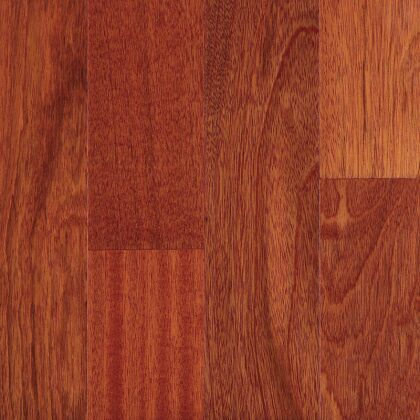
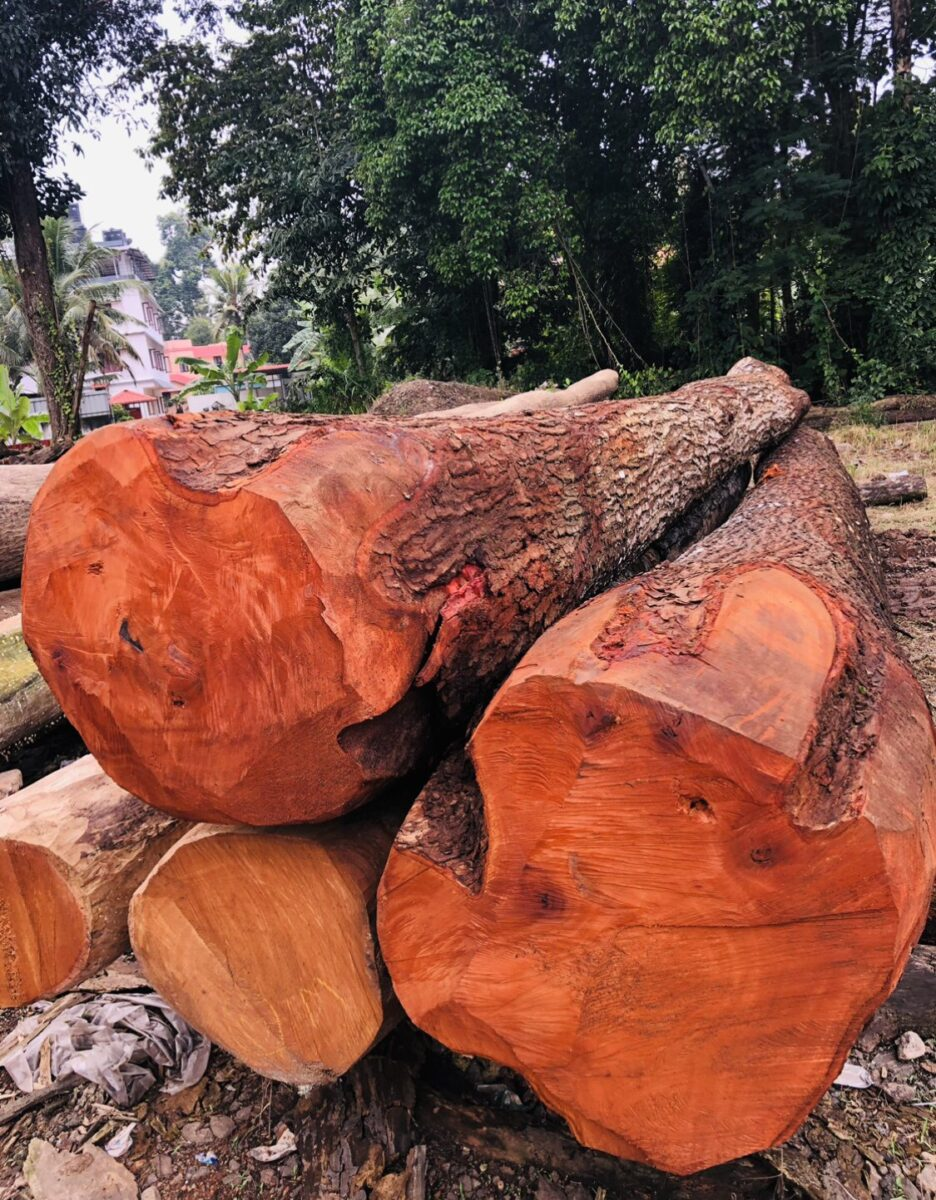
Genuine mahogany exhibits a rich, warm color that can range from a pale pinkish hue to a deep reddish-brown. Over time, it tends to deepen in color, enhancing its beauty.
Grain Patterns
The grain of genuine mahogany is often straight but can also feature interlocked patterns. These unique grains contribute to its stunning appearance, making each piece distinct.
Weight and Density
Mahogany is a medium to high-density wood, which gives it a substantial feel. This density contributes to its durability and resistance to wear.
Texture and Finish
Genuine mahogany has a smooth texture with a fine, even finish. This characteristic makes it easy to work with, allowing for a polished look in furniture and other wood products.
The 8 Expert-Verified Traits of Genuine Mahogany
To help you identify genuine mahogany, here are eight expert-verified traits to look for:
Trait 1: Rich, Reddish-Brown Color
As mentioned, genuine mahogany boasts a rich reddish-brown color that stands out in any setting. Its hue is one of the most reliable indicators of authenticity.
Trait 2: Straight, Interlocked Grain
Look for straight or slightly interlocked grain patterns. This feature helps distinguish genuine mahogany from other woods that may mimic its appearance.
Trait 3: Medium to High Density
You can often gauge the density by hefting the wood. Genuine mahogany feels heavier than many other hardwoods, which can be a good sign of authenticity.
Trait 4: Smooth Texture
Touch the surface of the wood. Genuine mahogany should feel smooth and silky to the touch, reflecting its fine grain.
Trait 5: Resistance to Warping
Genuine mahogany has a natural resistance to warping, making it an excellent choice for furniture that withstands temperature and humidity changes.
Trait 6: Distinctive Aroma
When you work with mahogany, you might notice a sweet, pleasant aroma. This scent is a signature of genuine mahogany and can help in your identification efforts.
Trait 7: Sound Characteristics
If you lightly tap on mahogany, it produces a warm, resonant sound. This acoustic property is especially important for musical instruments made from this wood.
Trait 8: Natural Luster
Genuine mahogany has a natural luster that shines beautifully when polished. This sheen is a clue to its authenticity and quality.
How to Test for Genuine Mahogany
Now that you know the traits, let’s explore how to test for genuine mahogany through various methods.
Visual Inspection Techniques
Start with a careful visual inspection. Look for the rich color, grain patterns, and any irregularities. Genuine mahogany should have a consistent appearance without significant blemishes.
Touch and Feel Techniques
Run your fingers over the surface. The smooth texture and weight should feel right. If it feels rough or too light, it might not be genuine mahogany.
Smell Test for Authenticity
Take a whiff! If you notice a sweet, pleasant aroma, you’re likely dealing with genuine mahogany. Other woods may not have this distinct scent.
The Water Drop Test
Place a drop of water on the wood’s surface. Genuine mahogany will absorb the water slowly, while other woods might not absorb it as effectively.
Common Misidentifications of Mahogany
Alternative Woods That Look Like Mahogany
Many woods can resemble mahogany, such as sapele, khaya, and meranti. These woods often have similar colors but may lack the unique characteristics of genuine mahogany.
How to Differentiate Between Similar Woods
To differentiate, pay attention to the traits mentioned earlier. Look for the distinctive grain, weight, and aroma. When in doubt, consult an expert or use identification tools.
Tools and Resources for Wood Identification
Recommended Tools for Identification
Invest in a few tools to help with identification:
Magnifying glass: For a closer look at grain patterns.
Scale: To weigh the wood and assess its density.
Moisture meter: To check the moisture content, as genuine mahogany has low moisture retention.
Online Resources and Guides
Numerous online resources can assist you in identifying wood. Websites like the Wood Database and various woodworking forums provide valuable information and community support.
Caring for Genuine Mahogany Wood
Cleaning and Maintenance Tips
To maintain the beauty of your genuine mahogany, clean it regularly with a soft, damp cloth. Avoid harsh chemicals and use only mild soap if necessary.
Finishing Techniques for Mahogany
Consider finishing your mahogany pieces with oils or varnishes that enhance its natural color and protect it from wear. Regularly reapply finishes to keep the wood looking its best.
Conclusion: Key Takeaways
Summary of Identification Traits
Identifying genuine mahogany involves recognizing a combination of traits: its rich color, unique grain patterns, density, and aroma.
Importance of Knowing Your Wood
Understanding the characteristics of genuine mahogany not only helps you make informed purchases but also deepens your appreciation for this beautiful wood.
FAQ: Common Questions About Identifying Mahogany
How Can I Tell If My Wood is Genuine Mahogany?
Look for the key traits mentioned in this guide. Color, grain, weight, and aroma are strong indicators of authenticity.
Is There a Difference Between Genuine and Other Types of Mahogany?
Yes! Genuine mahogany comes from specific species and has unique characteristics that distinguish it from other types of mahogany, like African mahogany or Philippine mahogany.
Where Can I Find Genuine Mahogany?
You can find genuine mahogany at specialty lumber yards, reputable furniture stores, or directly from manufacturers who specialize in hardwoods.
By familiarizing yourself with these traits and tips, you’ll be well-equipped to identify genuine mahogany and appreciate its beauty and value. Happy woodworking!