Address
304 North Cardinal
St. Dorchester Center, MA 02124
Work Hours
Monday to Friday: 7AM - 7PM
Weekend: 10AM - 5PM
Address
304 North Cardinal
St. Dorchester Center, MA 02124
Work Hours
Monday to Friday: 7AM - 7PM
Weekend: 10AM - 5PM
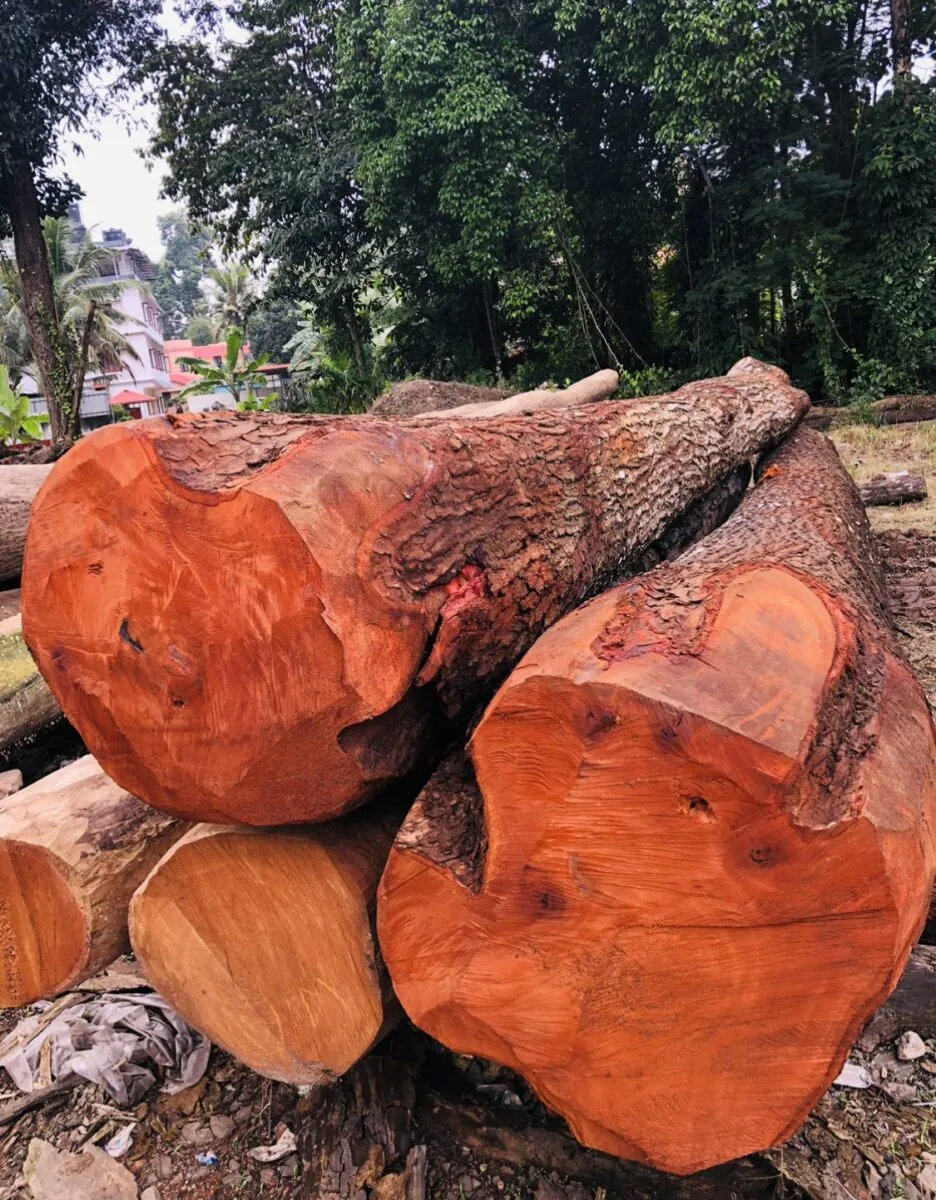
Ever wondered why that beautiful mahogany dining table costs so much? What if you could understand exactly what you’re paying for when you buy mahogany lumber for your next furniture project? You’re not just buying wood—you’re investing in a piece of history, beauty, and craftsmanship. Let’s break down the mahogany lumber price per board foot for 2026, so you can budget like a pro and make smart choices for your workshop.
Mahogany isn’t just another brown wood. For centuries, it’s been the top choice for fine furniture, and for good reason. Knowing why it’s special helps you understand why it costs what it does.
So, what’s the big deal? First, there’s the color. Freshly cut, it has a soft pinkish-brown hue that deepens over time into a rich, reddish-brown glow that sunlight makes even more beautiful. Then, there’s the grain. It’s typically straight and even, which means it’s incredibly stable—it resists warping and shrinking better than many woods. This makes it a dream to work with. It carves like butter, sands to a silky finish, and holds details perfectly. For a furniture project you’re proud of, it’s hard to beat.
Here’s the real reason behind the price tag. The most famous type, Genuine Mahogany (Swietenia macrophylla), comes from tropical forests in Central and South America. It grows slowly, and over-harvesting in the past means there’s simply less of it. Strict international laws (called CITES regulations) now control its trade to protect these forests. When something is rare, takes a long time to grow, and is carefully regulated, it costs more. Good wood isn’t cheap, and cheap wood often isn’t good—especially when it comes to true mahogany.
Let’s get to the numbers you came for. Remember, these are estimated price ranges per board foot for 2026. A “board foot” is a volume of wood (12″ x 12″ x 1″ thick). Prices can change based on your location, the supplier, and global markets.
When you see “furniture grade mahogany,” what does that mean? Not all boards are created equal. The grade tells you how clear and pretty the board is, and it has a huge impact on price.
What you get: These grades have smaller clear sections. You might see more knots, streaks of color, or sapwood. But guess what? For many parts of your project, they are perfect* and will save you money.
* Projects ideal for these grades:
* Estimated Price Impact: These grades can be 15-30% cheaper than FAS. Mixing a few high-grade boards for show surfaces with these for the rest is a brilliant budgeting trick.
The price per board foot is just the starting point. To avoid sticker shock, you need to think about these other factors.
Lumber is sold in quarter-inch thicknesses. “4/4” is 1 inch thick. “8/4” is 2 inches thick.
* Why thicker boards cost more: They come from bigger, older trees. They take much longer to dry without cracking. And there’s more waste when the mill cuts them. For a chunky table leg (8/4), expect to pay significantly more per board foot than for a thin panel (4/4).
Ready to buy? Here’s your strategy to get the best value on mahogany lumber prices.
If the total mahogany wood cost per board foot is stretching your budget, consider these:
So, after all this, is buying mahogany for furniture worth the investment for you?
If you’re building an heirloom piece—a dining table, a grandfather clock, a fine cabinet—where richness, stability, and prestige are key, then absolutely yes. The cost is high, but you are paying for wood that will last generations, look stunning, and be a joy to work with.
For a fun beginner project, a kids’ piece, or furniture you plan to paint, a more affordable hardwood like oak, maple, or even a good plywood with a mahogany veneer might be the smarter choice. It’s all about matching the wood to your vision, your skills, and your budget.
For a true mahogany look, Utile (Sipo) is often the most affordable. African Mahogany offers the best balance of classic quality and cost.
Typically, no. For furniture grade mahogany lumber, you’ll need to visit a specialty hardwood lumberyard or a reputable online retailer. Big-box stores usually don’t carry these specific, high-quality hardwoods.
Not really. While somewhat resistant to rot, it is not classified as a durable hardwood for outdoor use. For outdoor projects, you should look at woods like teak, ipe, or properly pressure-treated woods.
simple 6-foot dining table can use 30-50 board feet, depending on the design and thickness. A good rule is to always buy 20-30% extra for mistakes, milling, and matching grain patterns.
8/4 lumber is twice as thick (2 inches). It comes from a larger, older tree, takes much more time and care to dry properly, and creates more waste when milling. All of this increases the cost.