Address
304 North Cardinal
St. Dorchester Center, MA 02124
Work Hours
Monday to Friday: 7AM - 7PM
Weekend: 10AM - 5PM
Address
304 North Cardinal
St. Dorchester Center, MA 02124
Work Hours
Monday to Friday: 7AM - 7PM
Weekend: 10AM - 5PM
Find the best wood for a cutting board. Compare maple, walnut, cherry, beech, teak and acacia by hardness, grain and knife friendliness, plus woods to avoid.
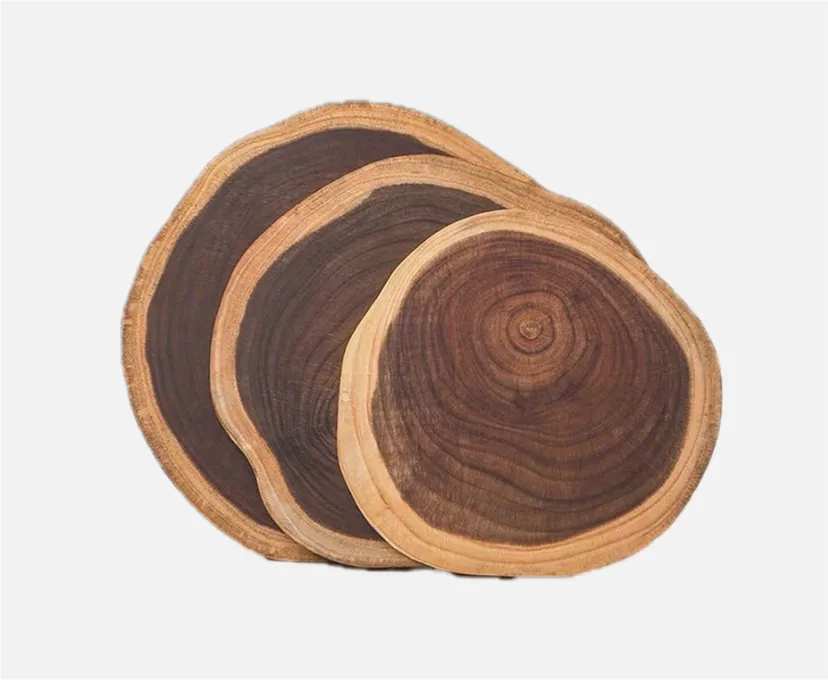
Quick answer: Hard maple is the best all-round wood for a cutting board: it is hard enough to resist deep scratches, soft enough to be kind to knives, and has a tight, closed grain. Walnut, cherry and beech are excellent alternatives, and teak and acacia are durable choices with a few trade-offs. Look for a food-safe hardwood with a Janka hardness of roughly 900–1,500 lbf, and avoid softwoods, open-grained oak and very hard or untested exotic woods.
Table of contents
Maple, walnut or teak? It is the question that comes up again and again among cutting board owners and makers. The good news is that several woods make great boards. The right one depends on how you cook, how much care you are willing to give and what you want to spend.
| Wood | Janka hardness (lbf) | Grain | Knife friendliness | Notes |
|---|---|---|---|---|
| Hard maple | 1,450 | Tight, closed | Very good | The industry standard; light color shows stains |
| Beech | About 1,300 | Tight, closed | Very good | Affordable; shrinks more, so oil it often |
| Teak | About 1,070 | Oily, closed | Good, but debated | Very water-resistant; contains silica |
| Walnut | 1,010 | Tight | Excellent | Dark color hides stains; scratches sooner |
| Cherry | 995 | Tight, closed | Excellent | Darkens to a rich red over time |
| Acacia | About 1,170–1,720 | Varies by species | Good | Affordable, varied colors |
| Bamboo (a grass) | About 1,380 | Glued strips | Fair | Hard on knives; very sustainable |
| Ebony | Well above 1,500 | Very fine | Hard on knives | Extremely dense; best for light prep and serving |
Janka figures are typical published values and vary between sources and individual boards. For standardized hardness data, see the USDA Forest Products Laboratory Wood Handbook.
Hard (sugar) maple is what most professional butcher blocks are made from. It is hard enough to shrug off daily chopping, its tight grain resists moisture and bacteria-trapping grooves, and it is gentle enough on knives. The main downside is its pale color, which shows stains from beets, berries and turmeric.
Black walnut is a little softer than maple, which makes it one of the kindest woods for knife edges. Its dark brown color hides stains and looks striking on the table. Expect knife marks to show sooner than on maple, and expect to pay more.
Cherry is similar in hardness to walnut and has a fine, tight grain. It starts pinkish-brown and darkens to a deep reddish tone with light and age, which many people love.
Beech is close to maple in hardness and wear and usually costs less. It moves more with changes in moisture, so oil it regularly to keep it from drying out and cracking.
Teak is naturally oily, which makes it very resistant to water, warping and mold, and it needs less frequent oiling. It also contains silica, and many sources say that dulls knives faster. Plenty of cooks use teak boards happily, so treat this as a trade-off: if you hone and sharpen regularly, teak is a durable, low-maintenance option.
“Acacia” covers many species, so hardness and grain vary from board to board. Good acacia boards are sturdy, attractive and often less expensive than maple or walnut, which makes them a solid everyday choice.
Ebony is extremely dense and fine-grained, so it barely absorbs water and stays smooth for years. That same hardness puts it well above the knife-friendly range, so it is best for slicing, serving and light prep rather than heavy chopping. Our round ebony cutting board is a good example: a durable, double-sided board that works well for fruit, cheese, bread and baby food.
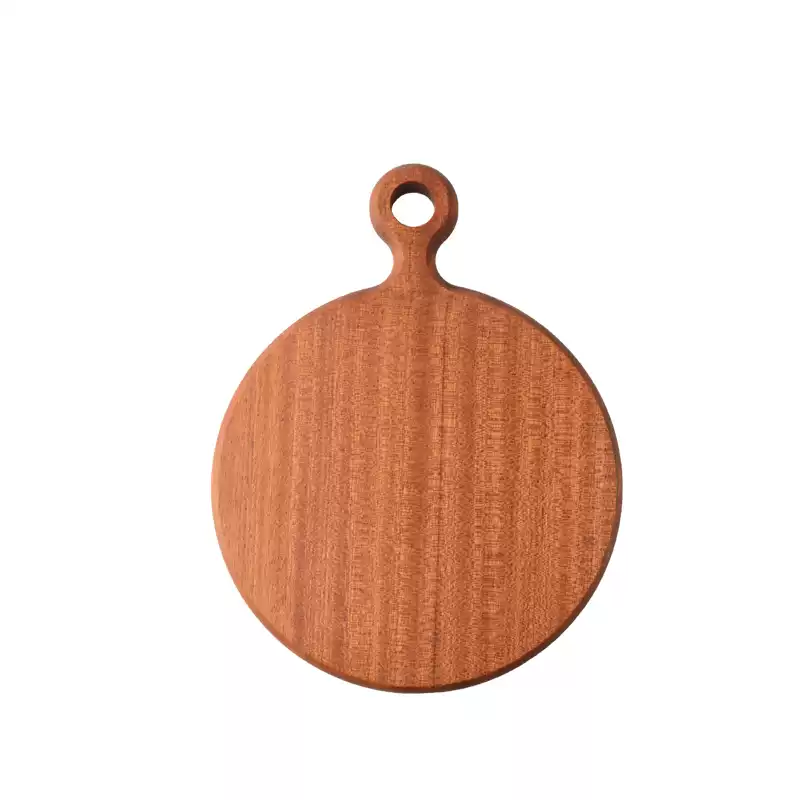
The same wood behaves differently depending on how the board is built. End grain boards are the gentlest on knives and hide marks best, edge grain boards are more affordable and lower-maintenance, and face grain boards suit serving and light prep. Our guide to end grain vs edge grain cutting boards explains the differences in detail.
Every wooden board needs the same basics: hand-wash, dry upright and oil with food-grade mineral oil. Our guide on how to clean a wooden cutting board covers the full routine. A few species need extra attention:
Browse our wooden cutting boards, from the end grain wooden butcher block with rounded corners to the slim wooden cutting board with handle for bread and serving. To protect your knife edges between uses, store them on a magnetic walnut knife block instead of loose in a drawer.
Related guides: End Grain vs Edge Grain Cutting Board · How to Clean a Wooden Cutting Board · Top 10 Hardest Woods (and Hardest-to-Softest Chart)
Maple is the best all-rounder, walnut is the kindest to knives and hides stains, and teak is the most water-resistant but contains silica that can dull knives faster. All three make good boards.
Teak contains natural silica, and many sources say it dulls knives faster than maple or walnut. In practice, many cooks use teak without problems if they hone and sharpen regularly.
Yes. Acacia is sturdy, attractive and usually affordable. Because the name covers many species, check that the board is solid hardwood and finished with a food-safe oil.
Bamboo is sustainable and water-resistant, but it is technically a grass and is harder on knife edges than most hardwoods, partly because of the glue used to bond the strips.
Red oak is usually not recommended because its large, open pores soak up moisture and food. Closed-grain woods like maple, walnut and cherry are easier to keep clean.
Tight, closed-grain hardwoods such as maple, beech, walnut and cherry absorb less water and food. Any board stays sanitary only if it is washed, dried and oiled properly.
Roughly 900–1,500 lbf on the Janka scale. That range resists deep scratches without being so hard that it dulls your knives quickly.