Address
304 North Cardinal
St. Dorchester Center, MA 02124
Work Hours
Monday to Friday: 7AM - 7PM
Weekend: 10AM - 5PM
Address
304 North Cardinal
St. Dorchester Center, MA 02124
Work Hours
Monday to Friday: 7AM - 7PM
Weekend: 10AM - 5PM
Learn how to clean a wooden cutting board after every use, sanitize it after raw meat, remove stains and odors, and oil it so it lasts for years.
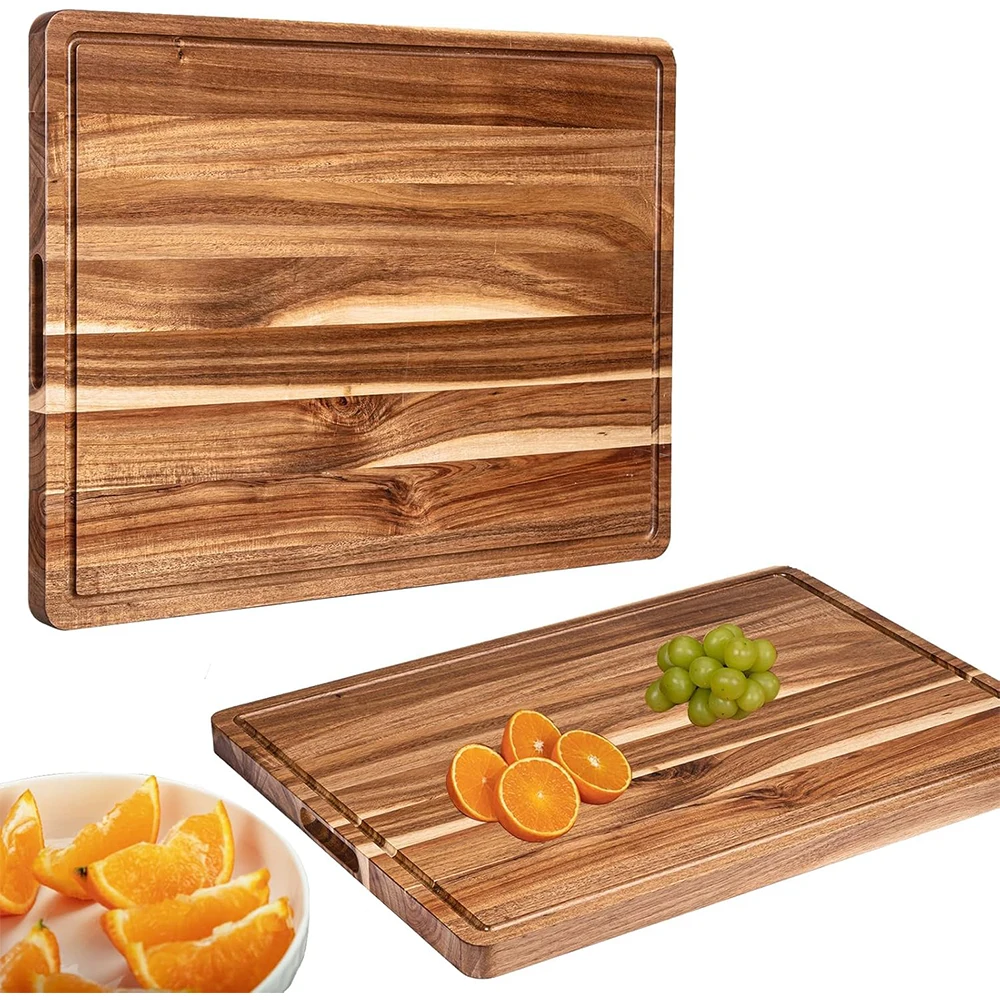
Quick answer: To clean a wooden cutting board, scrape off food, wash it with hot soapy water and a brush, rinse it quickly and dry it standing on its edge. After raw meat, poultry or fish, sanitize it with 3% hydrogen peroxide or a bleach solution of 1 tablespoon of unscented bleach per gallon of water, then rinse and dry. Never soak it or run it through the dishwasher, and rub in food-grade mineral oil about once a month.
Table of contents
A wooden cutting board is easy to keep clean once you know what wood dislikes: standing water, high heat and being left damp. The routine below takes two minutes after each use, plus a few minutes a month for oiling, and it keeps a good board sanitary and crack-free for years.
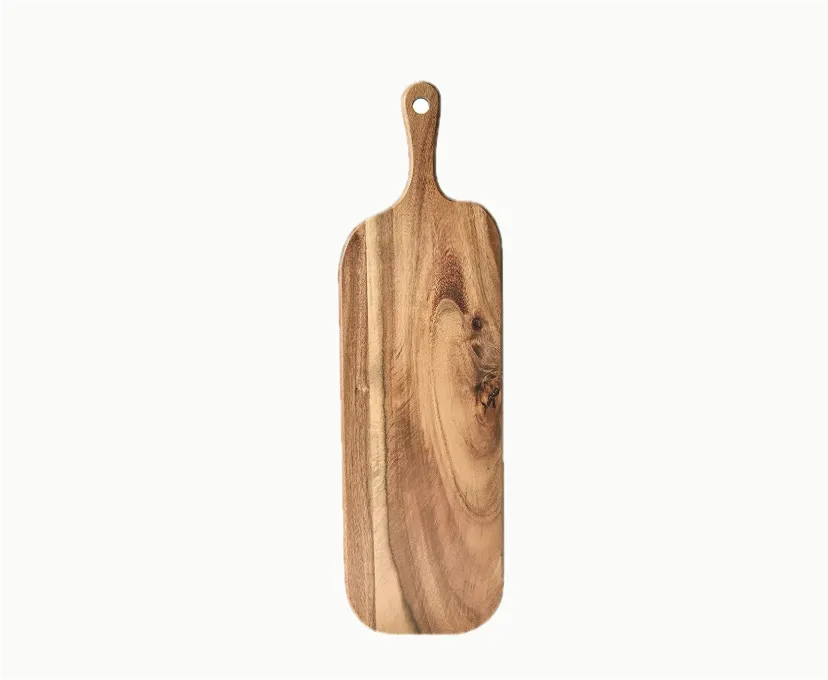
Wash and dry both sides even if you only chop on one. Wood takes on and releases moisture through every face, and uneven drying is what makes a board cup or bow.
Washing removes most food residue and bacteria. After cutting raw meat, poultry or fish, add a sanitizing step. Always wash first, because sanitizers work best on a clean surface.
| Method | How to use it | Best for |
|---|---|---|
| 3% hydrogen peroxide | Pour over the surface, spread with a clean sponge, leave 5–10 minutes until it stops fizzing, then rinse and dry. | Routine sanitizing after raw meat or fish |
| Diluted bleach (1 tablespoon unscented liquid chlorine bleach per gallon of water) | Flood the surface, let it stand for several minutes, rinse with clear water and dry. | The strongest option, and the ratio USDA recommends |
| White vinegar, undiluted | Spray to coat the board, leave about 5 minutes, then wipe with a damp cloth. | Everyday freshening and odor control, not a substitute for peroxide or bleach after raw meat |
Safety note: never mix bleach with vinegar or other cleaners, because the combination can release toxic gas. Use one method at a time and rinse between them.
Many cooks also keep two boards: one for raw meat, poultry and fish, and another for bread, fruit and vegetables. It is the simplest way to avoid cross-contamination.
It is one of the most common questions cutting board owners ask. Any board, wood or plastic, can hold bacteria in knife grooves if it is not cleaned and dried. The USDA Food Safety and Inspection Service gives the same advice for both: wash with hot, soapy water after each use, sanitize when needed, and throw out boards with deep grooves that are hard to clean.
In practice, a wooden board that is washed promptly, dried upright and kept oiled is a safe surface for everyday cooking. The problems start when a board is left wet, stored damp or used long after it has developed deep cracks.
Sprinkle a few tablespoons of coarse salt over the board and scrub it with the cut side of half a lemon. Leave it for 5–10 minutes, then rinse and dry. The salt works as a gentle abrasive, and the lemon helps lift stains and garlic or onion smells.
Mix baking soda with a little water into a paste, scrub it into the stain, leave it for a few minutes and rinse. It is useful for lingering smells that salt and lemon do not fully remove.
Onion, garlic and fish smells soak into end grain more than edge grain. After salt and lemon or baking soda, let the board dry completely and give it a fresh coat of oil, which seals the surface and stops new smells from settling in. Some woods, such as teak, also have a natural scent of their own; it fades with use and oiling but does not disappear entirely.
If a stain or fuzzy, raised grain will not shift, sand the area lightly with fine sandpaper (around 220 grit), wipe away the dust and re-oil the board.
Oil fills the wood fibers so water and food juices have less room to soak in. A well-oiled board resists stains, smells and cracking far better than a dry one.
Which oil to use: food-grade mineral oil is the standard choice. A board cream that blends mineral oil with beeswax adds a slightly more water-resistant top layer. Avoid olive, vegetable and other cooking oils, which can turn rancid and leave the board sticky and smelly.
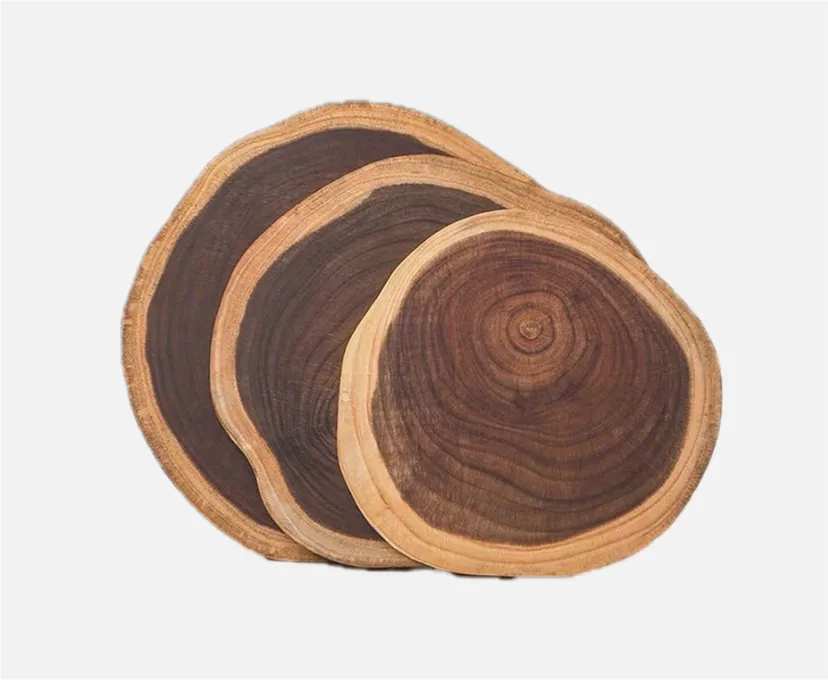
How often: about once a month for a board you use every day. A quick test tells you when it is time: sprinkle a few drops of water on the surface. If they bead up, the board is fine. If they soak in and leave a dark spot, oil it. New boards benefit from a few extra coats during their first week.
A new or very dry board, especially an end-grain one, can absorb a surprising amount of oil, because you are filling the open ends of the wood fibers. That is normal. Instead of flooding it, apply a thin coat once a day, wipe off what has not soaked in after about 20 minutes, and repeat until the surface stays slightly slick. Most boards reach that point within a few days, and after that a monthly top-up is enough.
If the surface feels rough or tiny wood fibers lift after washing, the grain has raised from moisture. Sand lightly with 220-grit sandpaper, wipe off the dust and oil the board. This is cosmetic and easy to fix.
Years of chopping leave grooves that are hard to clean. Sand them out with a coarser grit (around 120), finish with 220 for a smooth surface, then re-oil. Thick boards can be resurfaced like this many times.
Small pits usually come from knife tips or tiny voids in the wood. Scrub them with a brush when you wash so food does not collect. If they deepen or start trapping food and water, sand the surface down.
A fine surface check that stays closed and clean is not a safety problem; keep the board oiled so it does not grow. A crack that opens when the board gets wet, runs deep, or traps food and water should be treated as a reason to replace the board.
The USDA Food Safety and Inspection Service advises discarding boards once they become excessively worn or develop grooves that are hard to clean. Replace a board if it has:
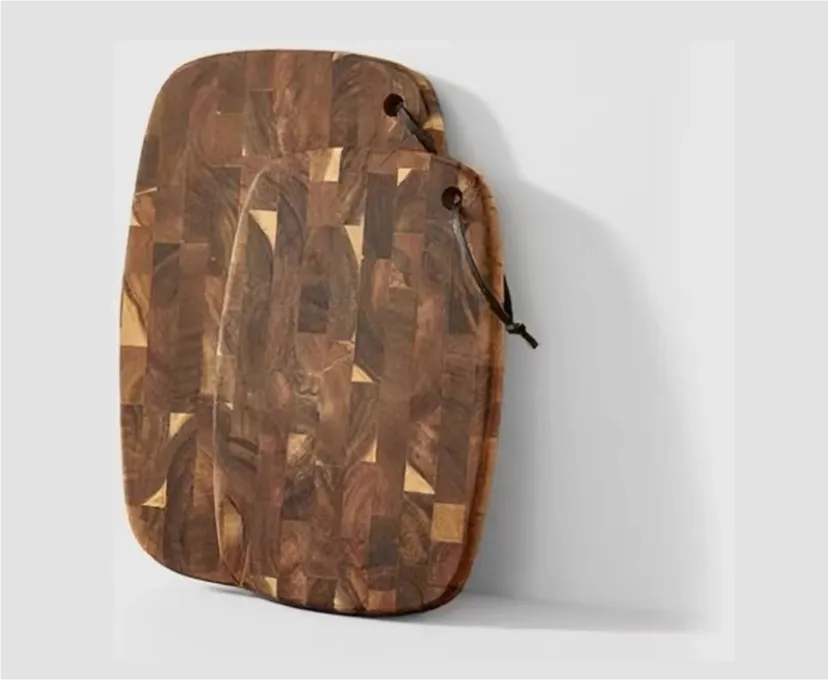
Browse all our wooden cutting boards.
Food-safety guidance in this article follows the USDA Food Safety and Inspection Service recommendations for cleaning and sanitizing cutting boards.
Related guides: Best Lumber for Indoor Furniture (including food-safe finishes) · Top 10 Hardest Woods (and Hardest-to-Softest Chart) · How to Identify Wood Types
Yes. Spraying undiluted white vinegar over the board, leaving it for about 5 minutes and wiping it off is a good way to freshen it and cut odors. For sanitizing after raw meat, poultry or fish, use 3% hydrogen peroxide or diluted bleach instead.
Yes. Regular dish soap and hot water is the recommended everyday clean. Rinse well and dry the board promptly so water does not soak in.
It is best not to. USDA says solid wood boards can go in a dishwasher, but laminated boards may crack and split, and most boards are laminated. Heat and long wet cycles also dry the wood out, so hand-wash instead.
Any cutting board can hold bacteria in knife grooves if it is not cleaned. Washed with hot, soapy water after each use, sanitized after raw meat and dried upright, a wooden board is a safe surface. Replace it when it develops deep grooves that are hard to clean.
Strong smells settle into the wood, especially end grain. Scrub with coarse salt and half a lemon or a baking soda paste, let the board dry completely, then oil it. Some woods, like teak, also have a natural scent that fades over time.
About once a month with daily use, or whenever drops of water soak in instead of beading. Use food-grade mineral oil or a board cream made from mineral oil and beeswax; avoid olive and vegetable oils, which can turn rancid.
New and very dry boards, especially end-grain ones, absorb a lot of oil at first. Apply thin coats once a day and wipe off the excess after about 20 minutes. After a few days the wood is saturated and only needs a monthly top-up.
A fine surface check that stays closed and clean is fine to keep using; oil the board regularly so it does not grow. If a crack opens when wet, runs deep or traps food, replace the board.
Usually, yes, if it has no deep cracks or mold. Scrub it with hot soapy water, sanitize it with diluted bleach or 3% hydrogen peroxide, sand away old knife marks, let it dry fully and oil it before use.
Scrub with salt and lemon or baking soda, sanitize with diluted bleach or hydrogen peroxide, let the board dry completely, then sand lightly and re-oil. If the spots come back, replace the board.