Address
304 North Cardinal
St. Dorchester Center, MA 02124
Work Hours
Monday to Friday: 7AM - 7PM
Weekend: 10AM - 5PM
Address
304 North Cardinal
St. Dorchester Center, MA 02124
Work Hours
Monday to Friday: 7AM - 7PM
Weekend: 10AM - 5PM
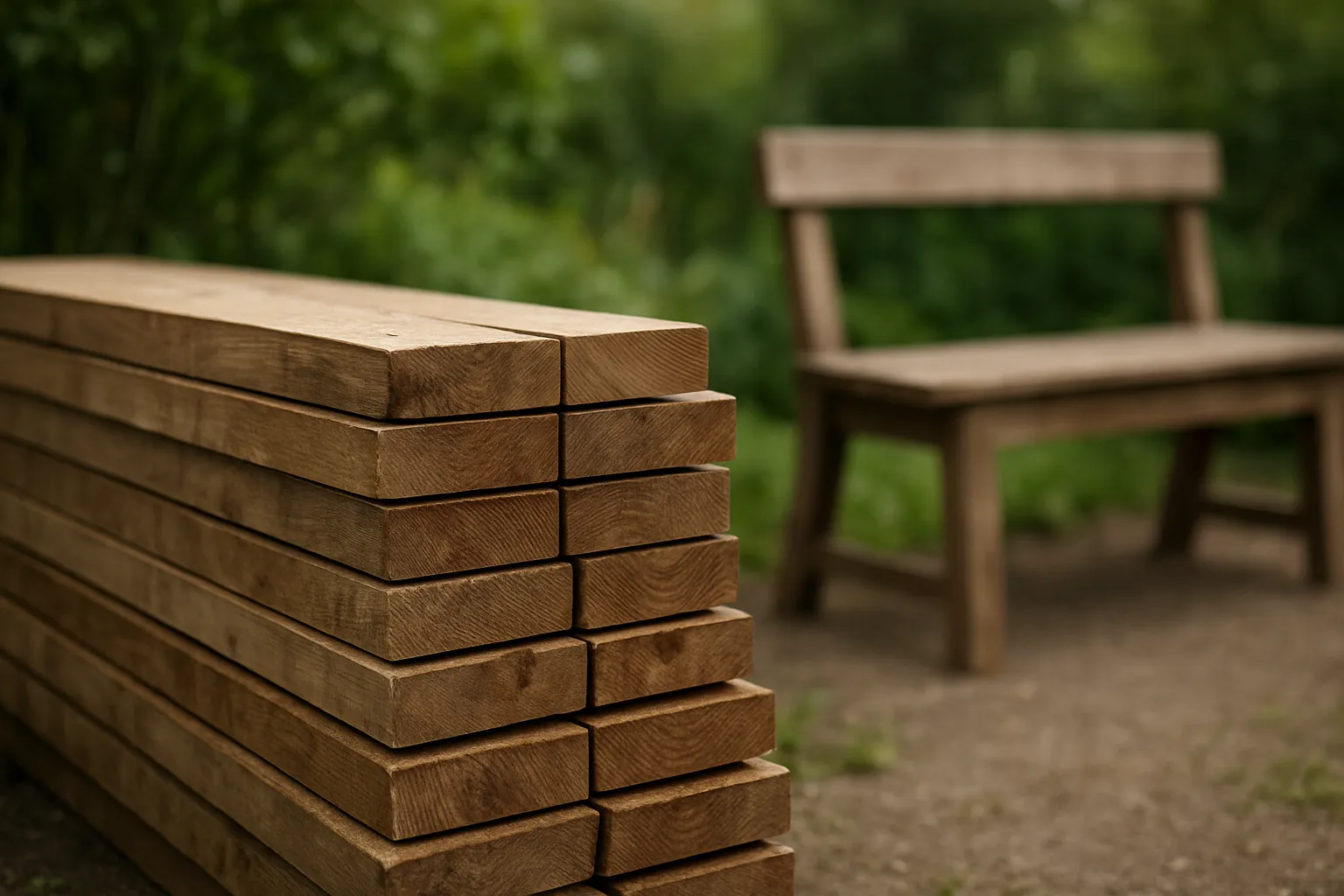
Quick answer: The cheapest weather-resistant woods are pressure-treated pine for ground-contact posts and budget builds, and cedar or cypress for visible projects like fences, siding and furniture. Black locust is a bargain if you can buy it from a local sawmill. Whichever you choose, sealing and good installation extend its life more than the species label does.
Building anything outdoors comes with a harsh reality: the sun, rain, snow, and insects will spend every day trying to destroy it. Wood is a fantastic building material, but not all wood is created equal when it comes to surviving the elements. If you’ve ever priced out teak or ipe, you know that premium weather-resistant lumber can cost a small fortune.
The good news is you don’t need to spend a fortune to build something that lasts. There are several cheap weather resistant wood options that balance cost, durability, and maintenance. This guide breaks down what makes wood weather resistant, which affordable species and treatments deliver the best value, and how to make even inexpensive lumber outlast your expectations.
Wood resists weather through two main mechanisms: natural chemistry and human intervention.
Natural durability comes down to density, oils, and extractives. Dense woods have tightly packed fibers that make it harder for water and fungi to penetrate. Woods with high oil content—like teak—naturally repel moisture. Extractives are chemical compounds like tannins that some trees produce to fight off decay and insects while they’re still growing. The more of these a species has, the longer it tends to survive outdoors.
The problem? The woods with the best natural defenses are often slow-growing, tropical, or both. Teak and ipe are legendary for their durability, but they’re also expensive and sometimes harvested unsustainably. That pushes prices even higher.
Enter chemical treatments. Pressure-treated lumber is ordinary, fast-growing softwood injected with preservatives that kill rot fungi and deter insects. This process turns cheap, abundant species like pine into a material that can handle ground contact and decades of exposure. Because the base wood is inexpensive and widely available, pressure-treated lumber is almost always the cheapest weather-resistant option at the register.
So the trick to finding cheap weather-resistant wood is either choosing a naturally resistant species that grows abundantly in your region, or buying treated lumber that borrows its durability from chemistry rather than genetics.
Here are five options that consistently deliver outdoor performance without wrecking your budget. Prices vary by region, but these all generally land under $5 per board foot.
1. Pressure-treated pine. This is the go-to budget champion. It’s the cheapest upfront option and available at virtually every lumber yard and big-box store. The treatment protects against rot and termites, making it suitable for decks, fences, and ground-contact posts. The catch is maintenance—treated pine will warp, crack, and gray over time, and it needs periodic sealing to stay protected.
2. Cypress. Naturally rot-resistant thanks to its oils and extractives, cypress is a regional favorite in the South. It machines well, takes paint and stain nicely, and holds up for decades outdoors. Where cypress grows, it’s often surprisingly affordable. Outside the South, shipping costs can push the price closer to cedar.
3. Black locust. If you can find it, black locust is one of the most rot-resistant woods in North America. It’s dense, hard, and packed with natural preservatives. It’s not a mainstream lumber-yard staple, but local sawmills and farmers clearing land often sell it cheaply—or give it away. For fence posts and raised beds, it’s hard to beat.
4. Western red cedar. Cedar costs more than pine but significantly less than teak. It’s naturally resistant to rot and insects, lightweight, and beautiful. It’s a common choice for siding, decking, fences, and outdoor furniture where appearance matters. Cedar also ages gracefully to a silvery gray if left unfinished.
5. Osage orange. This tough, dense wood is extremely rot-resistant—so much so that old fence posts made from it can outlast the fence wire. It’s not sold in most stores, but if you live in an area where it grows, local sourcing can make it one of the cheapest durable woods available. It’s also incredibly hard, which is both a blessing (durability) and a curse (difficult to work with).
The core decision most builders face is treated pine versus naturally resistant species. Each has trade-offs.
Cost comparison. Pressure-treated pine is typically the cheapest per board foot, often below $2 per linear foot for common sizes. Cypress and cedar usually run higher, though regional pricing swings widely. Black locust and Osage orange can be extremely cheap if locally sourced but expensive if shipped.
Lifespan and maintenance. Treated pine lasts roughly 10–15 years with proper care, and it needs sealing every couple of years. Cypress can reach 15–25 years and requires less fuss. Cedar typically lasts 15–20 years and performs well with minimal treatment. Naturally resistant woods generally demand less maintenance because their protection is built in.
When to choose which. Pick pressure-treated wood when your budget is tight, when the wood will contact the ground, or when the project is structural and will be covered or painted anyway. Choose natural options like cedar or cypress when the wood will be visible, when you want a better appearance, or when you’d rather avoid the chemicals in treated lumber—especially for raised garden beds or play structures.
Even the cheapest wood can perform like premium lumber if you treat and install it correctly.
Staining and sealing. A penetrating oil stain or a quality exterior sealer is the single best investment you can make. For under $50, you can buy enough product to protect a small deck or several pieces of furniture. These finishes repel water, block UV damage, and slow the rot process. Reapply every one to two years for best results.
Borate and copper-based DIY treatments. For untreated lumber, borate treatments offer a low-cost way to add rot and insect resistance. Borate solutions penetrate easily and are effective on interior-protected and above-ground applications, though they can leach out in constantly wet conditions. Copper-based preservatives are more weather-stable and work well for cut ends and drilled holes in treated lumber. Always follow label instructions and wear proper protective gear.
Proper installation techniques. Good building practices matter as much as any coating. Keep wood at least a few inches off the ground when possible. Allow gaps between boards for drainage and airflow. Avoid trapping moisture against the wood with tight joints, solid sheathing, or non-breathable finishes. Slope surfaces so water runs off instead of pooling. End grain should be sealed, since it absorbs water faster than face grain. These small steps prevent the moisture traps that cause most premature rot.
It helps to think beyond the sticker price and consider total cost of ownership.
Initial cost. Pressure-treated pine is the lowest upfront. Cedar and cypress sit in the middle. Black locust and Osage orange are cheapest when locally sourced and most expensive when shipped.
Expected lifespan and replacement costs. A treated pine deck might need partial replacement after 10–15 years. A cedar or cypress deck could stretch to 20 years or more. If you have to replace treated pine once while cedar survives, the “cheaper” option stops being cheaper.
Maintenance over 10 years. Treated pine requires re-sealing every one to two years to stay protected, which adds up in both product cost and labor. Cedar needs less frequent attention, and cypress often needs the least. Over a decade, that difference can close much of the price gap between treated pine and natural options—especially if you value your time.
Where you buy matters as much as what you buy.
Local sawmills and lumber yards vs. big-box stores. Big-box stores are convenient and consistent, but local sawmills often beat them on price for regional species. A small mill may sell cypress, cedar, or even black locust at a fraction of retail, especially for rough-cut or lower grades.
Regional availability. What’s cheap depends on where you live. Cypress is affordable in the South. Cedar is more reasonably priced in the Northwest. Black locust and Osage orange are bargain finds in the Midwest and Appalachia. Buying local species avoids shipping costs and often supports better prices.
Salvaged or reclaimed wood. Old barns, fences, and industrial structures are goldmines for weathered, naturally durable lumber. Reclaimed wood is often dense and rot-resistant from decades of exposure—plus it comes with character you can’t buy new. Check demolition sales, salvage yards, and online marketplaces.
For standardized decay-resistance data on these species, see the USDA Forest Products Laboratory Wood Handbook.
Related guides: Best Wood for Outdoor Furniture · Best Lumber for Outdoor Projects · Is Acacia Wood Good for Outdoor Furniture?
What is the cheapest weather resistant wood for outdoor projects?
Pressure-treated pine is typically the cheapest upfront, often under $2 per linear foot. For naturally resistant wood, black locust or locally sourced cypress can be very affordable depending on your region.
Is pressure-treated wood weather resistant?
Yes, pressure-treated wood is chemically treated to resist rot, insects, and moisture. However, it may warp or crack over time and requires periodic sealing to maintain its weather resistance.
How long does cheap weather resistant wood last outdoors?
With proper installation and maintenance, pressure-treated pine can last 10–15 years, cypress 15–25 years, and cedar 15–20 years. Untreated cheap woods may last only 5–10 years.
Can I make cheap wood more weather resistant with DIY treatments?
Yes, applying a penetrating oil stain, sealer, or DIY borate treatment can significantly extend the life of cheap untreated lumber. Regular reapplication every 1–2 years is key.
What is the cheapest naturally rot-resistant wood?
Black locust, Osage orange, and eastern red cedar are among the cheapest naturally rot-resistant woods, especially if sourced locally from sawmills or reclaimed from farms.
Is cedar expensive compared to other weather resistant woods?
Cedar is more expensive than pressure-treated pine but cheaper than teak or ipe. Its natural resistance and aesthetic appeal can justify the higher cost for visible projects.
Finding cheap weather resistant wood is really about matching the material to the project. For ground-contact posts and budget-driven builds, pressure-treated pine is hard to beat. For visible projects like fences, siding, or furniture, cedar and cypress deliver better looks with less maintenance. And if you’re lucky enough to live near a sawmill or a stand of black locust, you may find durable lumber at prices that feel almost unfair.
Whatever you choose, remember that finishing and installation do more to extend lifespan than the species label on the tag. A well-sealed, properly installed piece of treated pine will often outlast a neglected piece of cedar. So prioritize good building practices, keep up with maintenance, and let your budget guide the rest.
Ready to start your project? Get a quote from a local sawmill as well as the big-box store, since regional species are often cheaper there. If you would rather buy finished pieces, compare species first in our guide to the best wood for outdoor furniture.