Address
304 North Cardinal
St. Dorchester Center, MA 02124
Work Hours
Monday to Friday: 7AM - 7PM
Weekend: 10AM - 5PM
Address
304 North Cardinal
St. Dorchester Center, MA 02124
Work Hours
Monday to Friday: 7AM - 7PM
Weekend: 10AM - 5PM
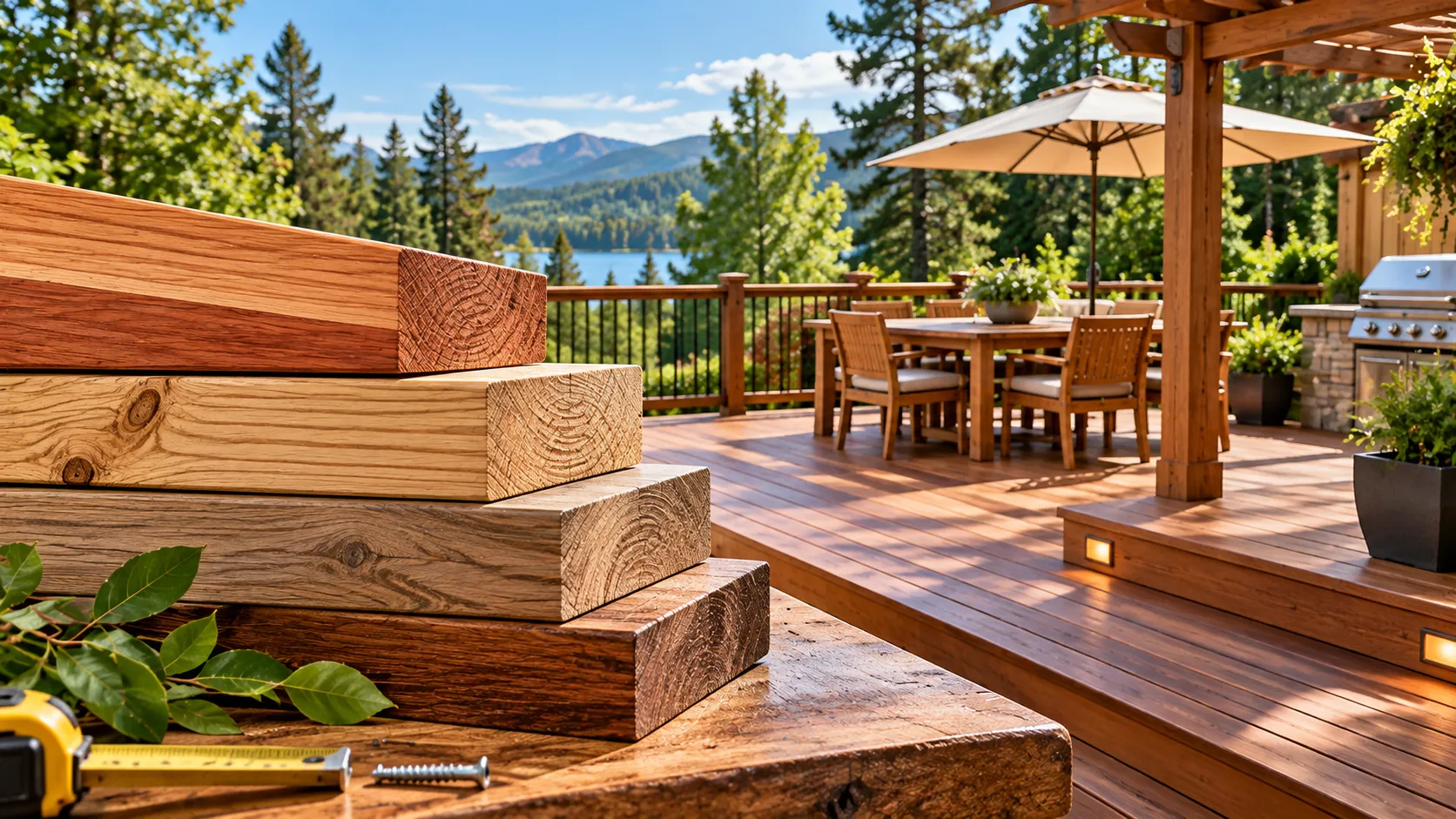
Walk down the lumber aisle of any big-box store and you’ll see stacks of pine, a few cedar boards, and maybe a small rack of something labeled “hardwood.” What you won’t see is a clear explanation of why one board will still be solid in 30 years while another turns spongy after three wet seasons.
Choosing the best lumber for outdoor projects comes down to four things: how well the wood resists rot, how it handles moisture and insects, how easy it is to work with, and what it costs in your region. Get those right, and you’ll avoid the most expensive mistake in outdoor building — replacing a structure you already paid for once.
Not all wood is created equal when it’s exposed to rain, sun, and soil. The differences come down to chemistry and anatomy.
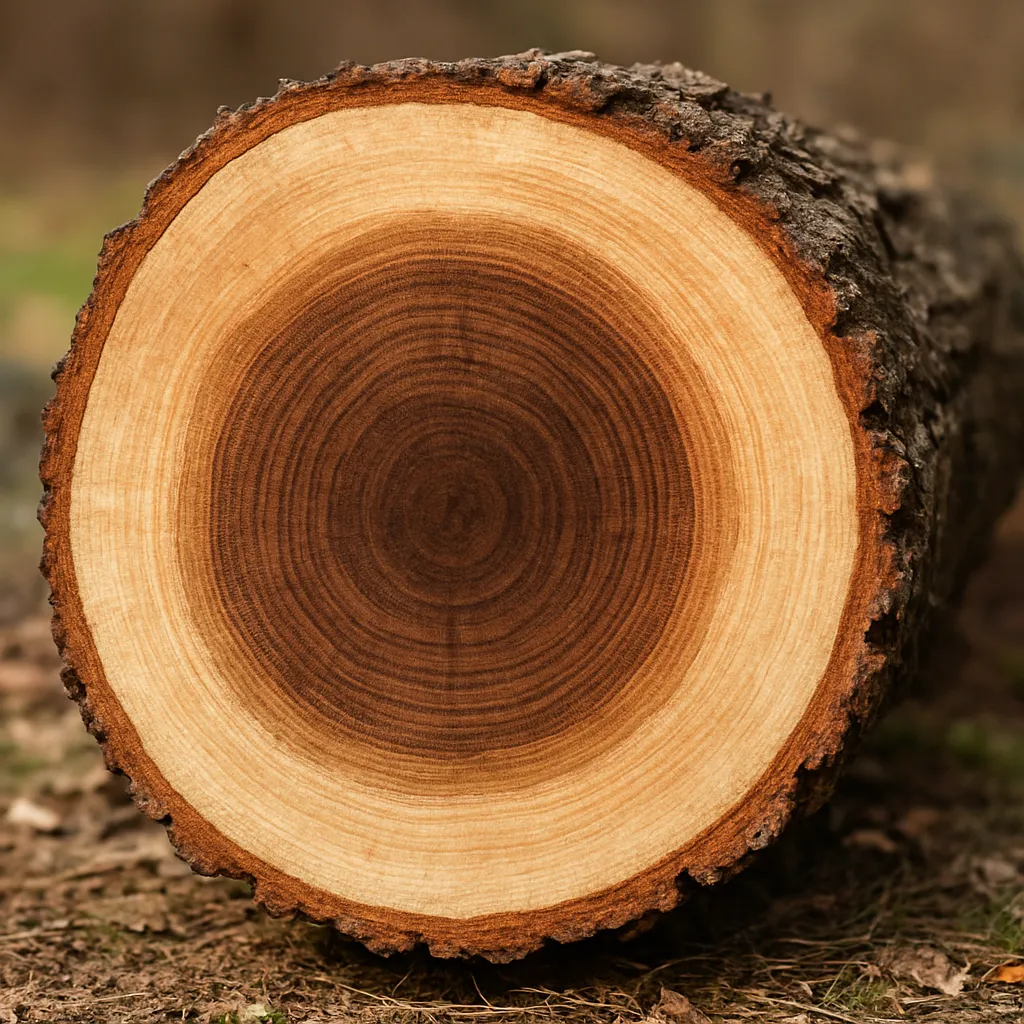
Natural decay resistance: heartwood vs. sapwood. The heartwood is the dead center of the tree, and it’s packed with extractives — natural chemical compounds that fungi and insects don’t like. The sapwood is the living outer ring, and it has almost none of that protection. This is why a cedar 2×4 with lots of white sapwood can rot while an all-heartwood board of the same species lasts decades. When you buy naturally durable lumber, look for the darker, tighter-grained heartwood face.
Tyloses. Some species, like white oak and black locust, grow tiny balloon-like structures called tyloses that plug up their water-conducting vessels. Those plugs physically block moisture from wicking into the wood. Red oak doesn’t have them, which is exactly why red oak is a terrible outdoor choice and white oak is an excellent one — same genus, completely different performance.
Moisture and insect resistance ratings. There’s no single official score for “outdoor durability,” but the closest thing is the USDA Forest Service’s decay resistance ratings, which classify species as resistant, moderately resistant, or non-resistant. Janka hardness gets quoted constantly in buying guides, but it measures dent resistance, not rot resistance. A rock-hard wood can still rot if it lacks decay-fighting extractives, and a softer wood like cedar can outlast it outdoors.
Workability and finishing. Dense tropical hardwoods like ipe will dull a carbide blade in a few cuts. Domestic species like cedar and cypress cut, sand, and fasten like pine. Whatever species you pick, exterior wood needs some kind of finish — sealer, oil, or paint — to slow moisture cycling and UV damage.
Cost and regional availability. Teak and ipe are priced by import costs and limited supply. Cedar and cypress are affordable where they grow and surprisingly expensive 2,000 miles away. Always price local species first; the “best” wood you can’t buy nearby isn’t a real option.
The gold standard for outdoor furniture. Teak’s natural oils make it resistant to rot and insects, and a well-maintained piece can last 50 years or more. It’s also one of the most expensive options available, and prices have climbed as supply tightens. Best reserved for furniture, not framing.
White oak’s tyloses prevent water from wicking through the grain, giving it 25+ years above ground and solid performance in ground contact. It’s heavy, dense, and takes a beautiful finish. It’s domestically grown in the eastern U.S., which keeps it more accessible than tropical imports.
Genuinely underrated. Black locust is domestically grown, naturally rot-resistant, and regularly outlasts treated pine in ground contact — lifespans of 100 years aren’t unusual for fence posts. It’s harder to find at retail yards, but if you have a local sawmill, it’s worth asking.
Lightweight, dimensionally stable, and affordable in the Pacific Northwest. Cedar typically lasts 10–15 years outdoors with care. Its main weakness is that it splits easily around fasteners, so predrilling matters. Great for siding, planters, and furniture; less ideal for structural spans.
Naturally resistant and beautiful, with heartwood that shifts to a soft gray as it weathers. Availability is largely limited to the West Coast, and old-growth material is scarce and pricey. Second-growth redwood is more common and less durable, but still a solid outdoor choice.
A Southeast staple with excellent rot resistance and the workability of pine. Cypress is a favorite for siding, shutters, and planters where you want durability without the weight of oak. Availability drops off sharply outside its growing region.
Extremely dense, extremely durable — 40+ years is realistic — and extremely hard on tools. Ipe is a popular decking choice for its density and slip resistance, but you’ll need sharp carbide blades, pilot holes for every screw, and patience. It’s also expensive and heavy enough to require planning for structural support.
The budget workhorse. Modern pressure-treated pine is inexpensive, widely available, and safe for decks and structural framing. It’s not recommended for food-contact surfaces like picnic tables or raised garden beds without a barrier.
Pressure-treated lumber has a complicated reputation, mostly because of chemistry that changed two decades ago.
CCA (arsenic) was phased out in 2004. Chromated copper arsenate was the standard treatment for decades, but concerns about arsenic exposure led to a voluntary phase-out for residential use. If you’re working with salvaged wood from before 2004, treat it with caution.
ACQ and MCA are the current alternatives. Alkaline copper quaternary (ACQ) and micronized copper azole (MCA) use copper compounds instead of arsenic. They’re effective against rot and insects and are considered safe for typical residential use.
Skin contact and food safety. The chemicals in treated wood are not intended for direct food contact. That’s why treated lumber isn’t recommended for raised garden beds growing edibles or for picnic tables — not because the wood is dangerous to touch, but because you don’t want copper compounds leaching into soil or transferring to food. Line beds with a plastic barrier, or use untreated naturally rot-resistant species instead.
Dust and inhalation hazards. Cutting, sanding, or routing treated lumber produces dust that contains treatment chemicals. Wear a dust mask, work outdoors or with ventilation, and wash up afterward. Never burn treated wood — the ash concentrates the chemicals.
When it’s still the right choice. Decks, structural framing, joists, and other hidden load-bearing applications are exactly where treated pine shines. It’s affordable, code-compliant, and predictable.
The cheapest board at the register is rarely the cheapest over 20 years. Here’s how the math usually works:
Regional price swings are real. Cedar is cheap in Oregon and expensive in Georgia; cypress is the reverse. Before you commit to a species, call two or three local yards, not just the big box store. Local sawmills often carry black locust and white oak at prices that beat retail hardwood dealers.
What is the best lumber for outdoor projects that touch the ground?
Black locust, ipe, and white oak are the top choices for ground-contact projects due to their natural decay resistance. Black locust is often the most affordable of these, lasts over 100 years in ground contact, and is domestically grown.
Is pressure-treated lumber safe for raised garden beds?
Modern pressure-treated lumber (ACQ or MCA) is generally considered safe for garden beds, but the chemicals are not intended for direct food contact. For edible plants, line the bed with a plastic barrier or choose naturally rot-resistant untreated species like cedar or redwood.
How long does cedar last outdoors compared to teak?
Cedar typically lasts 10–15 years outdoors with proper care, while teak can last 50 years or more. Teak contains natural oils that make it more resistant to rot and insects, but it costs significantly more.
What is the cheapest wood that still lasts for outdoor furniture?
Pressure-treated pine is the cheapest option, but it is not ideal for furniture due to chemical concerns. Acacia and cedar are the most affordable naturally durable woods; acacia is dense and water-resistant but should be sealed to prevent cracking.
Do I need to seal outdoor wood even if it is naturally rot-resistant?
Yes, sealing or oiling extends the lifespan of any outdoor wood by reducing moisture absorption and UV damage. Even teak benefits from periodic oiling to maintain its color, though it can be left untreated to weather to a silver-gray patina.
Can red oak be used for outdoor projects?
No, red oak is a poor choice for outdoor use. It lacks tyloses, the natural plugs that block water absorption in white oak, so it soaks up moisture like a straw and rots quickly. White oak is the correct choice for outdoor applications.