Address
304 North Cardinal
St. Dorchester Center, MA 02124
Work Hours
Monday to Friday: 7AM - 7PM
Weekend: 10AM - 5PM
Address
304 North Cardinal
St. Dorchester Center, MA 02124
Work Hours
Monday to Friday: 7AM - 7PM
Weekend: 10AM - 5PM
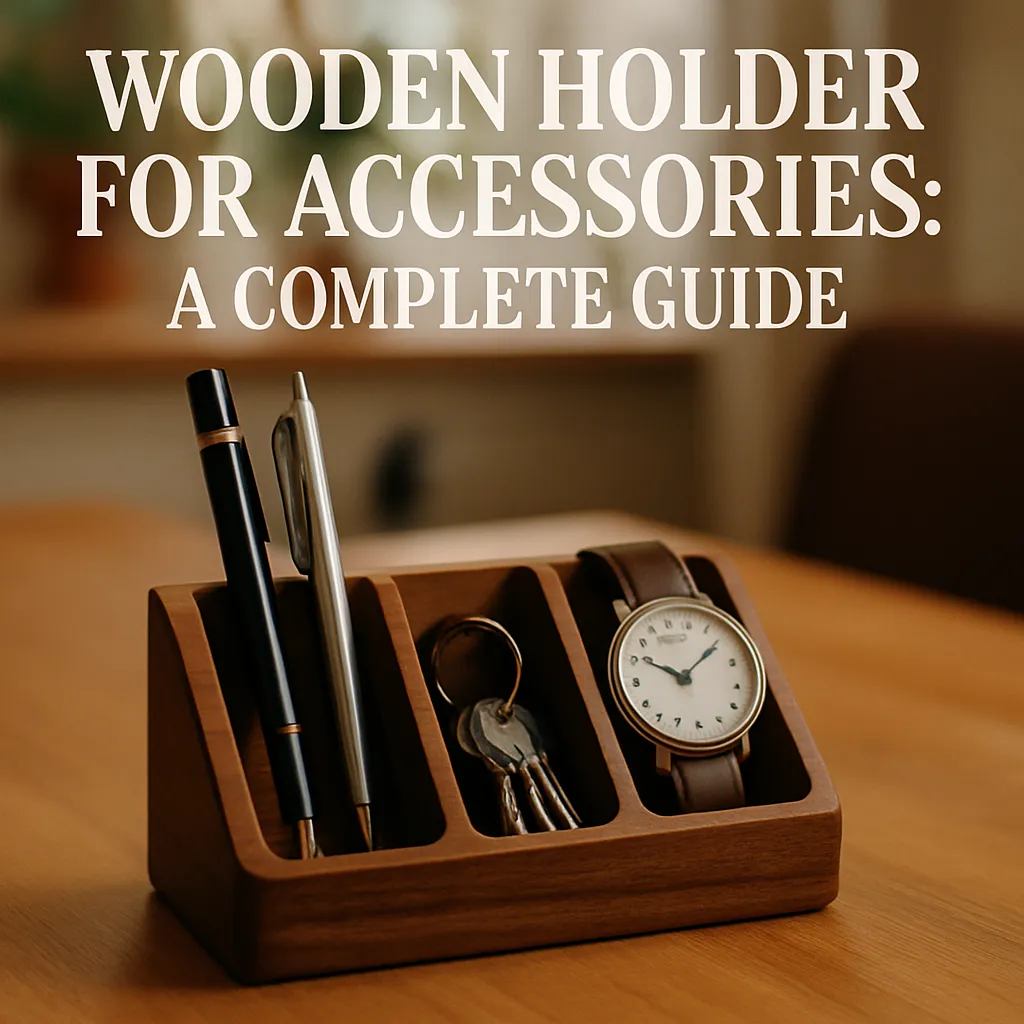
A cluttered desk has a way of making even simple tasks feel harder. Keys disappear under papers, rings get set down somewhere and forgotten, and pens scatter across every surface. A wooden holder for accessories solves several of these problems at once — and it does so with a warmth and character that plastic bins simply can’t match.
This guide walks through everything you need to know: why wood is worth considering, which types of holders exist, how different wood species compare, how to size and place them, and how to keep them looking good for years. Whether you’re organizing a home office, a nightstand, or an entryway console, there’s a wooden holder that fits.
Plastic organizers are functional but anonymous. Metal ones can feel cold and industrial. Wood sits in a different category entirely. Grain patterns are unique to every piece, colors range from pale blond to deep espresso, and the surface feels warm to the touch. A wooden holder reads as furniture rather than storage — something you’d leave out on display instead of hiding in a drawer.
Solid wood holds up. Unlike thin plastic that cracks or coated metal that chips and rusts, a well-made wooden organizer can last decades with minimal attention. Many wooden desk accessories actually improve with age, developing a patina as the surface picks up oil from your hands and gradual exposure to light.
The same holder can serve different purposes in different spaces:
Because wood is a neutral material, it doesn’t look out of place whether your decor leans modern, rustic, Scandinavian, or traditional.
Wood is renewable, biodegradable, and often sourced responsibly. If sustainability matters to you, look for FSC-certified products or makers who work with reclaimed lumber. Bamboo, technically a grass rather than a wood, grows back quickly and requires relatively little water — making it one of the more sustainable options available.
Physical clutter competes for attention. When every accessory has a designated spot, you spend less time searching and more time working. A wooden holder enforces that structure while looking good enough that you’ll actually keep using it.
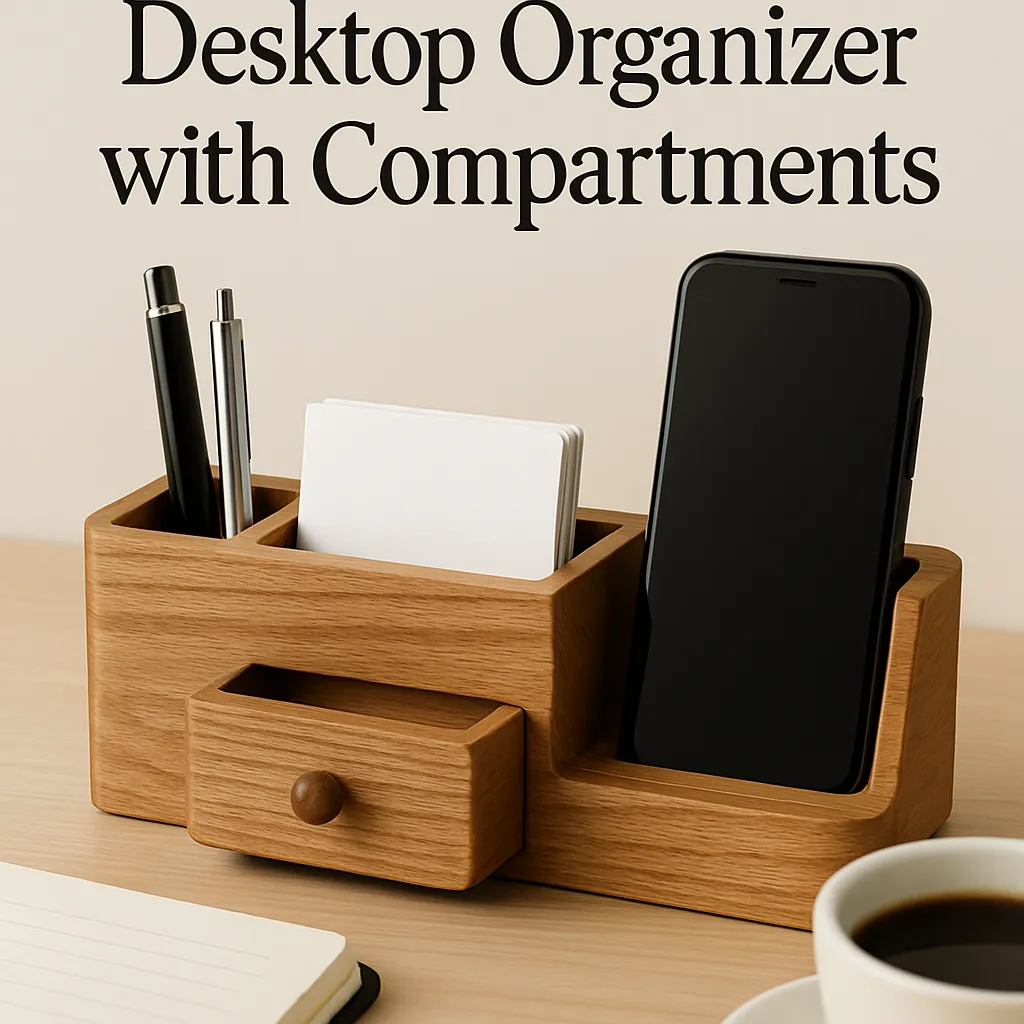
These are the workhorses of desk organization. Typical configurations include pen holders, card slots, small drawers, and sometimes a phone stand or notepad slot. They’re ideal if you want everything in one footprint rather than several separate pieces.
A valet tray is a shallow wooden tray, often with raised edges and a lined interior, designed to hold everyday carry items — watch, keys, wallet, coins, rings. They work equally well on a dresser, entryway table, or nightstand. Look for felt or cork lining if you’re storing metal or jewelry.
If your surface space is limited, wall-mounted options free up the desk entirely. Two-level accessory holders, for example, can stack small items vertically while keeping frequently used pieces within arm’s reach. These require secure installation into studs or proper wall anchors.
Modular systems — like OakyBlocks-style interlocking trays — let you build the exact configuration you need and rearrange it later. They’re a strong choice if your accessory collection changes over time or if you move between desks.
Beyond the basics, you’ll find wooden business card stands, notepad holders, washi tape dispensers, and pen display racks. These are niche, but if you have a specific hobby or workflow, a purpose-built holder often beats a generic one.
The Janka scale measures how much force is required to embed a steel ball into wood — higher numbers mean harder, more dent-resistant material. As a general reference:
Exact figures vary by species and sample, but the ranking gives you a reasonable sense of what to expect.
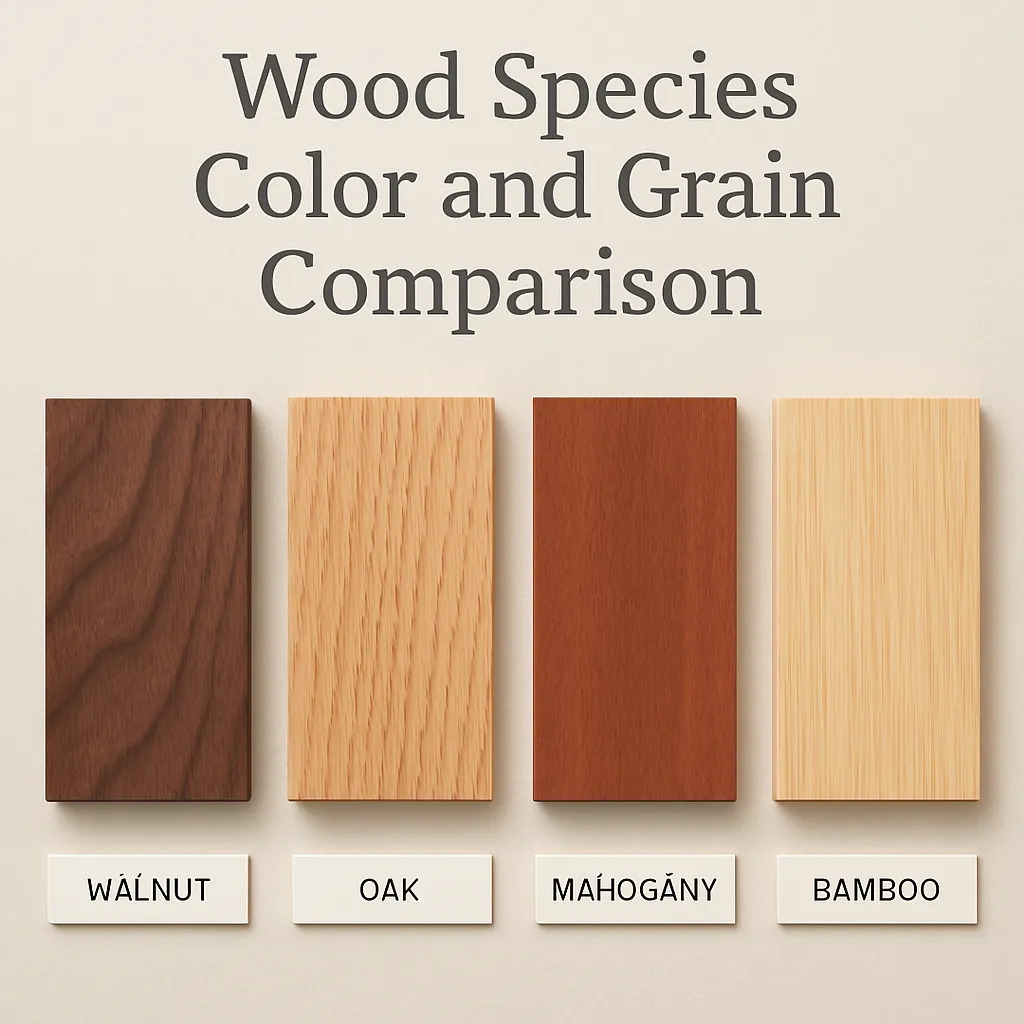
Walnut tends toward deep browns with subtle, flowing grain. Oak is lighter — from pale honey to medium brown — with pronounced grain lines. Mahogany offers reddish-brown tones and a finer texture. Bamboo has a tight, linear grain and a uniform look. If you’re matching existing furniture, bring a photo or sample when shopping.
Bamboo and pine sit at the budget end. Oak lands in the middle. Walnut and mahogany typically command premium prices, especially for solid pieces with hand-finished surfaces.
For a small accessory holder you’ll handle daily, solid wood is usually worth the extra cost.
Look for FSC certification, which indicates the wood came from responsibly managed forests. Reclaimed wood — from old furniture, flooring, or barns — is another solid option and often comes with unique character marks.
Before buying anything, measure your available surface. Note not just length and width but also height clearance if the holder will sit under a shelf or monitor. A holder that’s too large becomes clutter itself.
| Holder Type | Typical Size |
|---|---|
| Pen holder | 3–5 inches in diameter |
| Letter tray | 10–13 inches wide |
| Valet tray | 8–12 inches |
| Business card stand | 3–4 inches wide |
These are general ranges — always check the specific product listing.
Countertop holders are the most visible and easiest to access. Drawer inserts keep things out of sight but require opening and closing. Wall-mounted options save surface space but need proper installation. Choose based on how often you access the items and how much surface area you’re willing to give up.
Solid wood holders are heavier than plastic or mesh — most desktop organizers weigh between 1 and 5 pounds. That weight is actually an advantage: it keeps the holder from sliding around. Wall-mounted pieces, however, need secure anchoring, especially if they’ll hold heavier items.
If you’re unsure how your needs will evolve, modular systems are the safest bet. They let you start small, add pieces later, and rearrange without buying an entirely new setup.
Divide your space into zones by function:
Give each zone its own holder or compartment. This makes it obvious where things belong and where to look when something’s missing.
A valet tray is one of the most useful organizational tools you can own. The routine is simple: empty your pockets into the tray when you get home, pick everything up when you leave. No more hunting for keys in the morning.
If you work with pens, brushes, or markers regularly, a tiered or compartmentalized holder keeps them sorted by type or color. Washi tape dispensers and notepad holders round out a stationery setup nicely.
Wood trays with felt or cork linings protect delicate finishes. A shallow tray works well for rings and earrings; a deeper one with dividers handles bracelets and watches. Keeping jewelry in a dedicated tray also reduces the chance of losing small pieces.
Small wooden holders can corral charging cables, earbuds, and USB drives. A shallow tray near your charging station keeps everything in one place instead of tangled on the floor.
A soft, dry cloth is all you need for routine cleaning. Microfiber works well. Dust once a week or so to keep the surface looking fresh and to prevent grit from building up.
For fingerprints or light grime, wipe with a slightly damp cloth and dry immediately. Avoid soaking the wood or leaving water sitting on the surface.
Apply a food-safe wood oil or conditioner every 3–6 months. This prevents the wood from drying out and cracking, especially in heated or air-conditioned rooms. A thin coat, buffed in with a soft cloth, is enough.
Direct sunlight fades and dries wood. Heat sources like radiators and space heaters cause warping. Prolonged moisture leads to swelling and mold. Keep wooden holders in moderate, stable conditions.
Light scratches can sometimes be minimized with a bit of oil or a furniture touch-up pen. Deeper damage may require light sanding and refinishing. For stains, act quickly — blot, don’t rub, and avoid harsh chemicals.
If you’re putting a holder away for an extended period, clean it, oil it lightly, and store it in a dry, temperature-stable place. Wrap it in a soft cloth rather than plastic, which can trap moisture.
Engraving a name, initials, or a short message turns a useful object into a keepsake. Many makers offer custom engraving on trays, pen holders, and desk organizers.
Father’s Day, birthdays, graduations, housewarmings, and promotions all work well. A valet tray or desk organizer is practical enough to use daily and handsome enough to feel like a real gift.
Custom-logo wooden desk organizers make strong corporate gifts — useful, on-brand, and a step above the usual branded merchandise.
Bamboo and pine options cover the budget range. Walnut and mahogany pieces from small workshops sit at the luxury end. Both can be excellent gifts depending on the recipient.
Pair a valet tray with a matching pen holder, or combine a desk organizer with a nice notebook and pen. A coordinated set feels more thoughtful than a single item.
If you’re shopping on Etsy or similar marketplaces, check reviews and material descriptions carefully — “wood” can mean solid, veneered, or engineered, and the difference matters over time.
What is the best wood for a desk accessory holder?
Walnut, oak, and mahogany are popular for their durability and beautiful grain. Walnut offers a dark, rich tone and excellent hardness, while oak is lighter and very sturdy. Bamboo is a sustainable, budget-friendly alternative. The best choice depends on your style preference, budget, and desired level of durability.
How do I clean and maintain a wooden holder for accessories?
Dust regularly with a soft, dry cloth. For deeper cleaning, wipe with a slightly damp cloth and dry immediately. Apply a food-safe wood oil or conditioner every 3–6 months to prevent drying and cracking. Avoid harsh chemicals, prolonged moisture, and direct sunlight.
Can a wooden holder be used for jewelry and watches?
Yes. Valet trays and catchall trays made from wood are excellent for storing jewelry, watches, rings, and other small accessories. Look for trays with soft felt or cork lining to prevent scratches.
Are wooden desk organizers heavy and difficult to move?
Solid wood holders are heavier than plastic or mesh alternatives, but most desktop organizers weigh between 1–5 pounds, making them easy to reposition. Wall-mounted options require secure installation. Modular wooden systems can be rearranged without much effort.
What size wooden holder should I buy for my desk?
Measure your available desk space first. For pen holders, 3–5 inches in diameter is typical. Letter trays are usually 10–13 inches wide. Valet trays range from 8–12 inches. Consider a modular system if you want flexibility as your needs change.
Are wooden holders eco-friendly?
Wooden holders can be eco-friendly if made from sustainably sourced or reclaimed wood. Look for FSC certification or brands that use responsibly harvested wood. Bamboo is particularly sustainable because it grows quickly and requires less water.