Address
304 North Cardinal
St. Dorchester Center, MA 02124
Work Hours
Monday to Friday: 7AM - 7PM
Weekend: 10AM - 5PM
Address
304 North Cardinal
St. Dorchester Center, MA 02124
Work Hours
Monday to Friday: 7AM - 7PM
Weekend: 10AM - 5PM
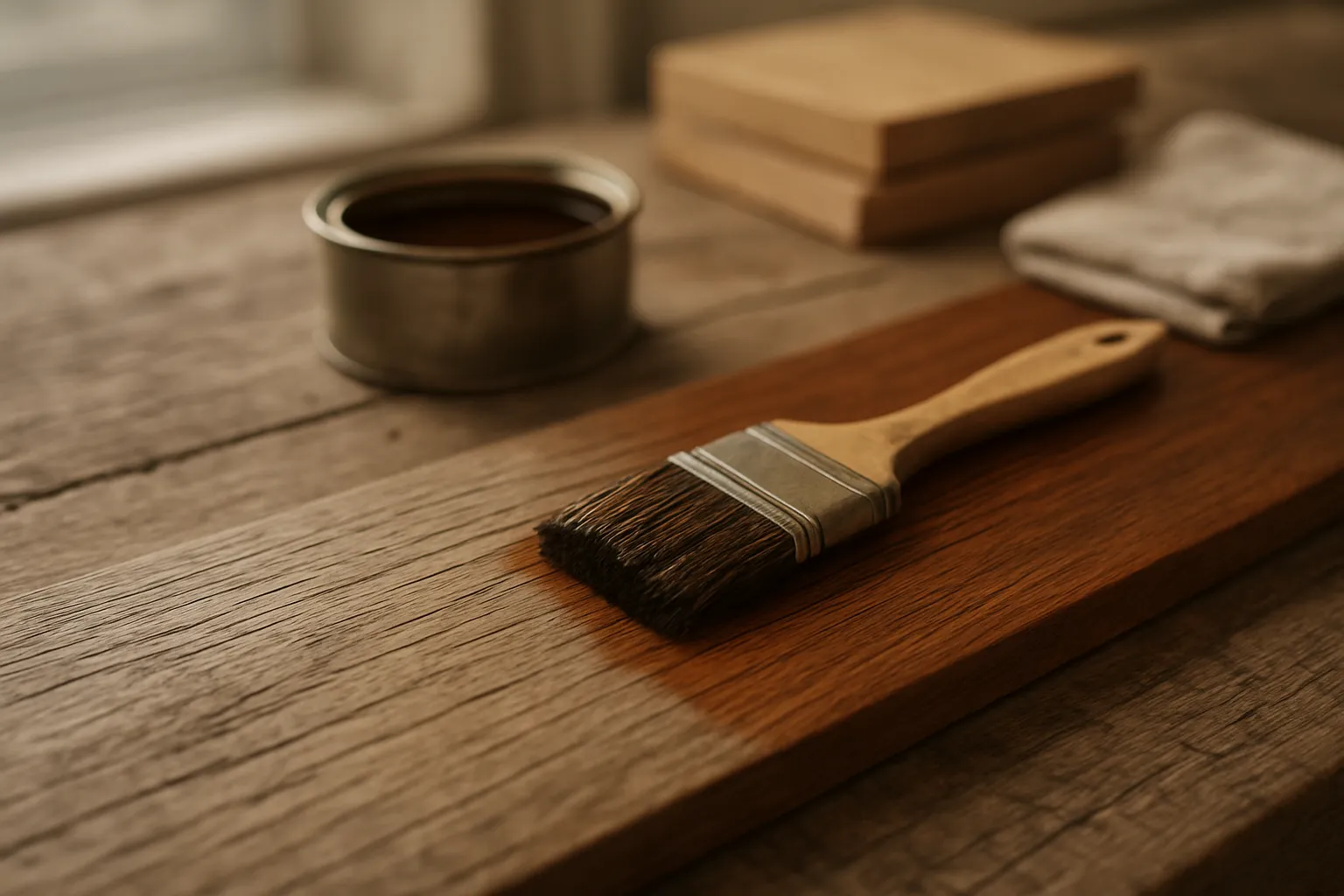
Quick answer: To make wood more durable, start with a naturally durable species such as teak, ipe or cedar, or use pressure-treated lumber for ground contact. Protect it with a preservative and a suitable penetrating or film-forming finish, build so water drains away, with joinery that allows movement and corrosion-resistant fasteners, and inspect, clean and refinish it regularly.
Wood is one of the most versatile and beloved building materials on the planet. It is warm, beautiful, renewable, and remarkably strong for its weight. But anyone who has watched a neglected fence post crumble into splinters or seen a deck board warp into a shallow bowl knows the hard truth: wood is also perishable. Left to its own devices, wood will slowly return to the forest floor from which it came.
The good news is that this process is not inevitable — or at least, not on any timeline that matters to you. With the right species, treatments, finishes, and habits, you can add years or even decades to the life of any wooden structure or piece of furniture. This guide walks through everything you need to know, from understanding why wood fails to choosing the best protection strategy for your specific project.
Before diving into methods, it helps to understand what you are actually fighting against. Wood durability is not a single problem with a single solution — it is a constant negotiation with several natural forces working at once.
Moisture is the primary enemy. Wood is hygroscopic, meaning it absorbs and releases water vapor depending on the surrounding humidity. When wood takes on moisture, it swells; when it dries, it shrinks. Cycle that expansion and contraction repeatedly, and you get cracks, warping, and joint failure. Worse, sustained moisture above roughly 20% moisture content creates the ideal environment for fungi and rot.
Ultraviolet (UV) radiation from sunlight breaks down lignin, the natural polymer that holds wood fibers together. This is why unprotected wood turns gray and develops a fuzzy, fibrous surface. The graying itself is cosmetic, but the underlying lignin degradation weakens the surface and makes it more vulnerable to moisture penetration.
Insects — termites, carpenter ants, powderpost beetles, and borers — treat wood as both food and shelter. Some species are more resistant than others, but almost no wood is completely safe when conditions favor infestation.
Fungi are the silent killers. Mold and mildew are mostly cosmetic, but decay fungi (white rot, brown rot, and soft rot) actively digest wood cell walls. Brown rot, sometimes called dry rot, can hollow out a structural beam from the inside while the exterior looks nearly intact.
When wood protection is ignored, the consequences compound over time:
The benefits of making wood durable are straightforward but worth stating plainly:
Not all wood is created equal. Some species can be buried in soil for decades, while others rot within a couple of seasons. Knowing the difference lets you choose the right material before you ever pick up a brush.
A tree’s cross-section has two functionally different zones. Sapwood is the living, outer ring that transports water and nutrients; it is softer, lighter in color, and rich in starches that insects and fungi love. Heartwood is the older, inner core where cells have died and deposited extractives — natural oils, tannins, and resins — that resist decay.
When a species is rated for “natural durability,” that rating applies to heartwood only. Sapwood of even the most rot-resistant species is vulnerable. This is one reason two boards of the same species can perform very differently.
Roughly, naturally durable woods fall into tiers:
Highly durable: Teak, ipe, cumaru, black locust, and osage orange. These can often be used in ground contact or marine environments with minimal treatment.
Moderately durable: White oak, redwood (old-growth heartwood), cedar (especially Western red cedar), and cypress. Excellent for above-ground exterior use.
Low durability: Pine, spruce, fir, poplar, and most common softwoods. These require preservative treatment for any exterior application.
Note that the same species can vary dramatically based on growth conditions. Slow-grown, old-growth timber tends to have denser heartwood and higher extractive content than fast-grown plantation wood. Harvesting practices matter too — trees cut in the right season and properly dried retain more of their natural resistance.
Broadly speaking, there are three approaches, and they work best in combination:
Each method has trade-offs. Selection is the most reliable but can be expensive. Treatments are cost-effective but may involve chemicals. Protective finishes need periodic renewal but offer the best surface protection. The most durable wood structures use all three.
The single highest-leverage decision you make is which wood to use. Here is a short list of reliable choices.
When budget matters more than aesthetics, pressure-treated (PT) lumber is a practical alternative. In this process, preservatives are forced deep into the wood under vacuum and pressure, protecting even the sapwood. Modern treatments use copper-based compounds such as ACQ and CA (copper azole) rather than the older CCA. PT wood is rated for specific uses — above-ground, ground contact, or in-ground — so match the rating to the application.
For interior pieces, decay is rarely the issue; wear resistance is. Hardwoods like hard maple, white oak, walnut, and cherry hold up better to scratches, dents, and daily use than softwoods like pine. Density (measured by the Janka hardness scale) and grain structure matter more here than rot resistance.
Even durable species benefit from treatment, and non-durable species usually require it. There are three families of options.
These treatments work either by being toxic to decay organisms or by rendering the wood’s cell walls unsuitable for fungal growth. Application can be done at the mill (pressure treatment) or, for some products, brushed or dipped on-site.
Finishes are not the same as preservatives. Their primary job is to slow moisture exchange and block UV, both of which extend the life of the wood underneath.
Film-forming finishes (polyurethane, varnish, epoxy, lacquer) sit on top of the wood and form a continuous shell. They offer the best protection from moisture and UV, but they can crack, peel, and trap moisture if water gets underneath — which often means a full strip-and-refinish.
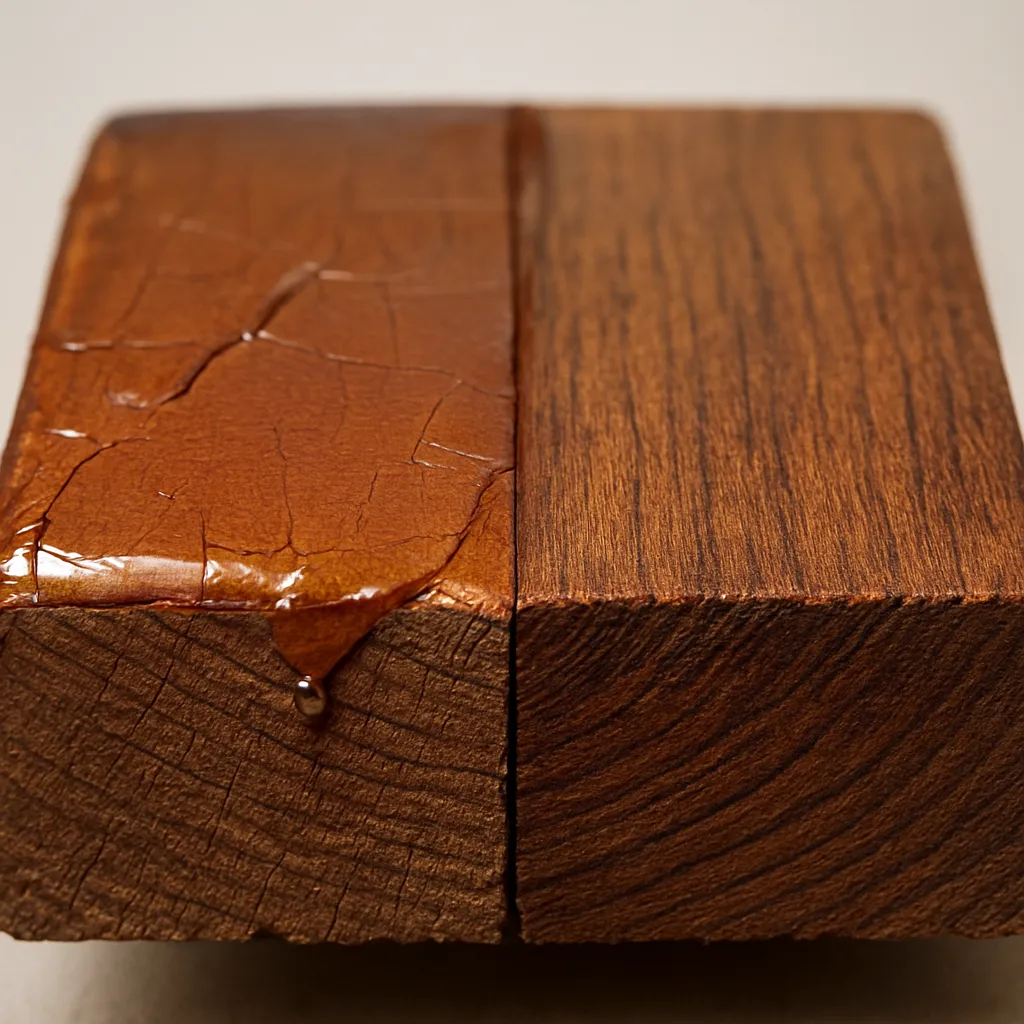
Penetrating finishes (tung oil, linseed oil, hardwax oil) soak into the wood and cure from within. They do not peel and are much easier to touch up, but they require more frequent reapplication and offer less UV protection.
Finish is the last line of defense, not the first. How you build matters just as much.
Wood moves constantly across its grain. Joints that allow slight movement — such as mortise-and-tenon with pinning, or properly sized biscuit joints — last far longer than rigid joints that fight expansion.
Stainless steel or hot-dipped galvanized fasteners resist rust, which stains wood and weakens over time. Use fasteners rated for the environment (marine, coastal, treated wood) and match them to the wood’s corrosivity — copper-treated lumber, for example, requires compatible fasteners to avoid galvanic corrosion.
Durability is preserved, not installed. A simple routine will keep wood in service far longer than the finish’s rated lifespan.
Clean exterior wood at least once a year with a mild wood cleaner and a soft brush. Inspect for:
Most oil-based finishes need refreshing every 2–3 years. Film finishes last 3–5 years in moderate climates. High-UV, high-moisture, or coastal locations may require more frequent attention.
Replace or repair damaged boards before water gets into framing. A $20 board now is cheaper than a $2,000 framing repair later.
| Method | Initial Cost | Expected Lifespan | Maintenance | Skill Level |
|---|---|---|---|---|
| Naturally durable species (teak, ipe) | High | 25+ years | Low | Low |
| Pressure-treated lumber | Moderate | 15–25 years | Moderate | Low |
| Chemical preservative + sealant | Low–Moderate | 8–15 years | Moderate | Low |
| Film-forming finish (epoxy/varnish) | Moderate | 5–10 years | High | Moderate |
| Penetrating oil finish | Low | 2–5 years | High | Low |
| Charring + oil | Low | 10–20 years | Low | Moderate |
A 10-year thought experiment: A cedar deck with an annual oil refresh will likely look nearly new at year 10. A pine deck sealed once and forgotten will probably show rot in multiple boards and require partial replacement. The difference in cost is not huge upfront, but it is dramatic at year 10.
Related guides: Best Wood for Outdoor Furniture · Cheap Weather-Resistant Wood · Best Lumber for Outdoor Projects
What is the most durable wood finish?
For maximum durability, film-forming finishes like polyurethane, spar varnish, or epoxy are best, especially for outdoor use. They provide a hard protective barrier against moisture, UV, and physical wear. However, penetrating finishes like tung oil offer easier maintenance. The best choice depends on the application and your willingness to maintain it.
How often should I refinish my deck?
Most decks need refinishing every 2–3 years for oil-based finishes and every 3–5 years for film-forming finishes like polyurethane, depending on climate and traffic. Inspect annually for wear and reapply when water no longer beads on the surface.
Does pressure-treated wood need to be sealed?
While pressure-treated wood is protected against rot and insects, sealing it with a water-repellent finish or stain can further extend its life, reduce cracking, and maintain appearance. It is generally recommended to wait 6–12 months after installation before sealing.
Can I make wood completely waterproof?
No finish makes wood 100% waterproof, but epoxy resin and marine-grade varnishes can make it highly water-resistant. Proper sealing of all surfaces, including end grain, is crucial. Regular maintenance is still needed to maintain water resistance.
What is the best wood for outdoor furniture?
Naturally durable woods like teak, ipe, cedar, and redwood are excellent choices for outdoor furniture due to their natural resistance to rot and insects. Teak and ipe are the most durable, while cedar and redwood are more affordable and still offer good longevity.
How do I protect wood from termites and other insects?
Use borate-based treatments or chemical preservatives like ACQ for ground contact. Ensure wood is kept dry and sealed properly. For existing structures, professional pest control may be necessary. Naturally resistant woods like cedar and teak also repel insects.