Address
304 North Cardinal
St. Dorchester Center, MA 02124
Work Hours
Monday to Friday: 7AM - 7PM
Weekend: 10AM - 5PM
Address
304 North Cardinal
St. Dorchester Center, MA 02124
Work Hours
Monday to Friday: 7AM - 7PM
Weekend: 10AM - 5PM
Is a walnut cutting board worth it? Learn its pros and cons, how it compares with maple, the best oil to use and how to care for it so it lasts.
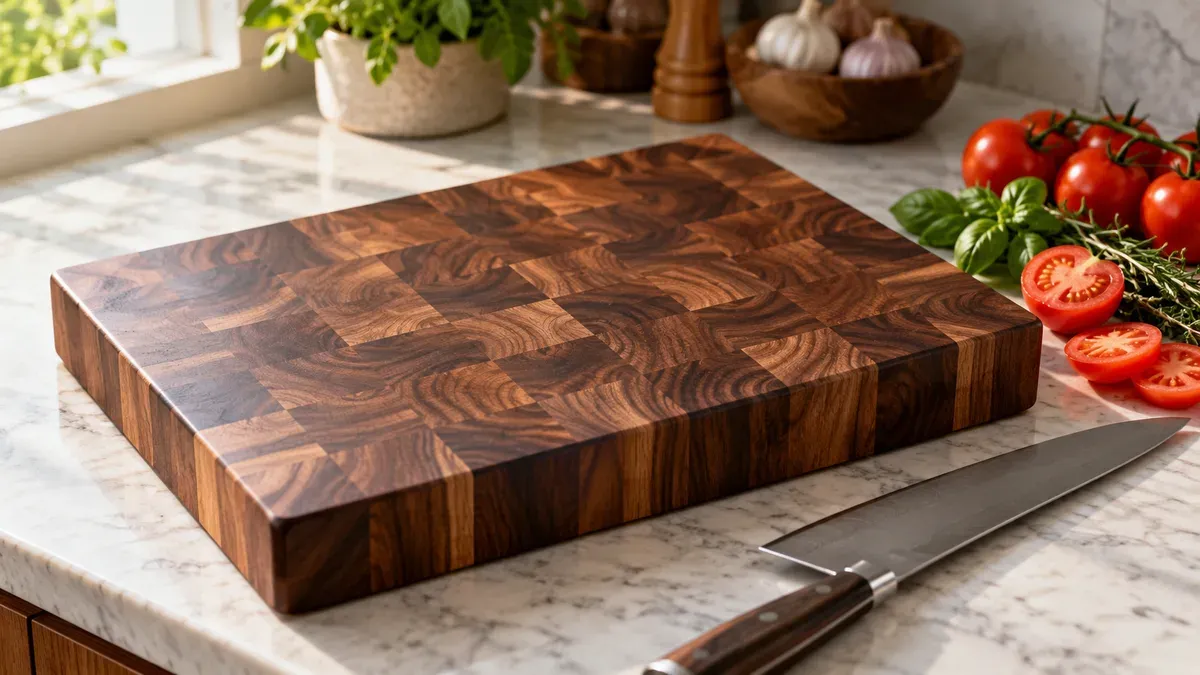
Quick answer: Yes, walnut makes an excellent cutting board. Black walnut rates about 1,010 lbf on the Janka scale, so it is firm enough for daily chopping yet softer than maple, which makes it one of the kindest woods for knife edges. Its tight grain and dark color resist and hide stains. The trade-offs: it shows knife marks sooner than maple and costs more. Oil it monthly with food-grade mineral oil and never soak it.
Table of contents
Walnut is one of the most popular premium cutting board woods, and for good reason. Here is how it stacks up.
Hard maple is the industry standard, and walnut is its most common premium rival. Both are excellent; they just suit different priorities.
| Walnut | Hard maple | |
|---|---|---|
| Janka hardness | About 1,010 lbf | About 1,450 lbf |
| Knife friendliness | Excellent (softer) | Very good |
| Knife marks | Show sooner | Resists scratches better |
| Stains | Dark color hides them | Pale color shows them |
| Look | Rich chocolate brown | Light, creamy |
| Price | Higher | Lower |
| Best for | Knife lovers, serving, a premium look | A hard-wearing everyday workhorse |
Bottom line: choose walnut if you want the gentlest surface for your knives and a board that looks good on the table; choose maple if you want maximum durability for the money. Our guide to the best wood for cutting boards compares more species side by side.
Hardness figures are typical published Janka values and vary between boards. For standardized data, see the USDA Forest Products Laboratory Wood Handbook.
Walnut is available in both. End grain walnut is the most knife-friendly option and hides marks best, but it costs more, weighs more and soaks up more oil. Edge grain walnut is cheaper, lighter and easier to maintain. See our full comparison of end grain vs edge grain cutting boards.
A common worry is that end grain boards crack more. In practice, cracks usually come from soaking the board, leaving it wet or letting it dry out completely. An end grain walnut board that is washed quickly, dried upright and oiled regularly will last for many years.
Yes. Because walnut is softer than maple, it shows fine knife marks within days of regular use, especially on edge grain and face grain boards. That is not a defect and not a reason to return the board. Light marks blend in over time, and you can sand them out with 220-grit sandpaper and a fresh coat of oil whenever you like.
Washing raises some of the wood fibers, and oil alone will not lay them back down, so the surface can feel fuzzy even after oiling. The fix is simple:
After one or two rounds of this, the surface usually stays smooth.
Walnut wood is not the same as walnut nuts, and walnut boards are widely used in kitchens. Still, if someone in your home has a severe tree-nut allergy, the cautious choice is a maple or beech board, and you should avoid conditioning any board with walnut oil. When in doubt, ask your doctor.
Our step-by-step guide on how to clean a wooden cutting board covers sanitizing, stains and oiling in detail.
Walnut is a slower-growing hardwood that is also in high demand for fine furniture, so the lumber costs more than maple or beech. Board prices then depend on size, thickness and construction: end grain walnut boards take the most material and labor, so they sit at the top of the range. A thick end grain walnut block costing well over $100 is normal; a thin edge grain board should cost much less.
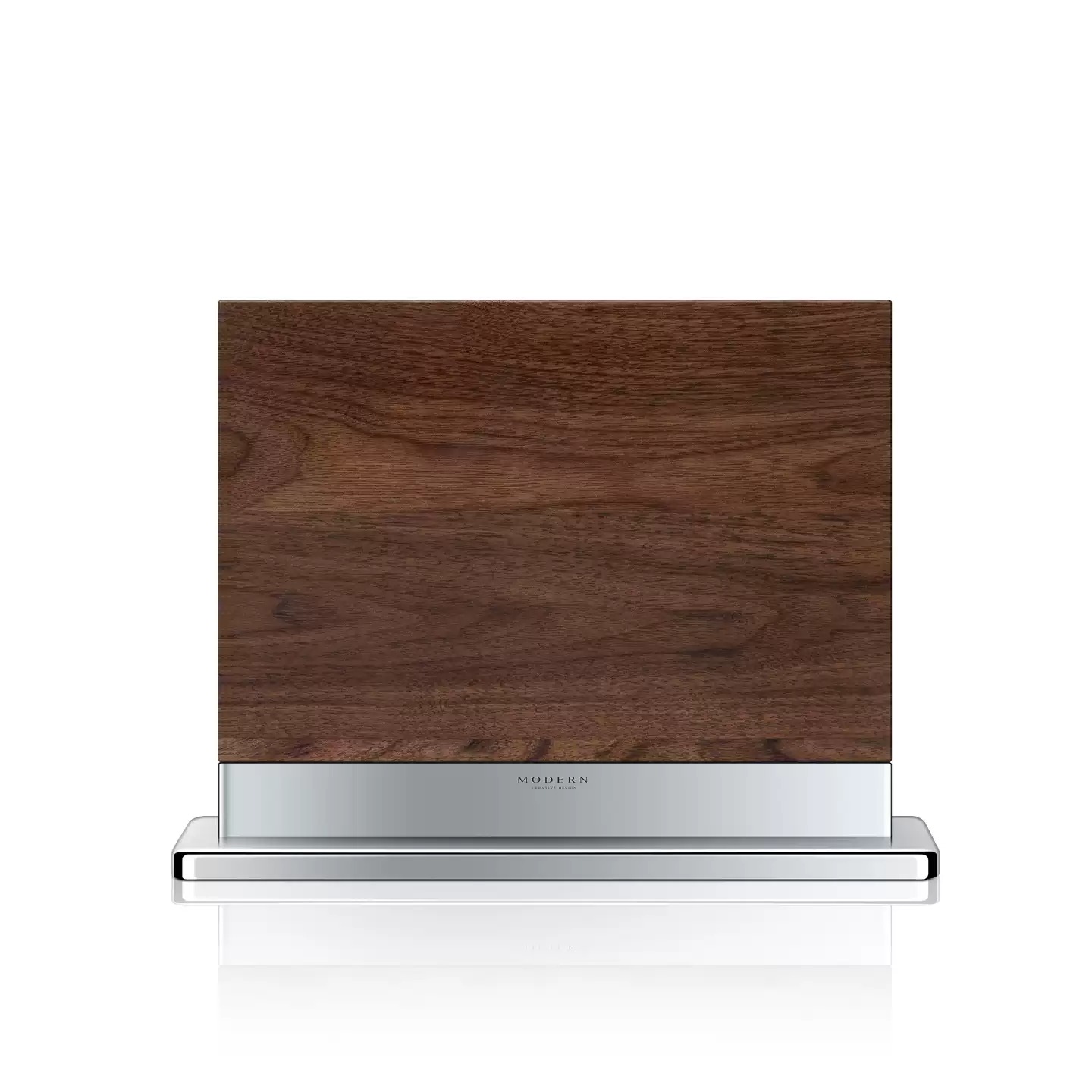
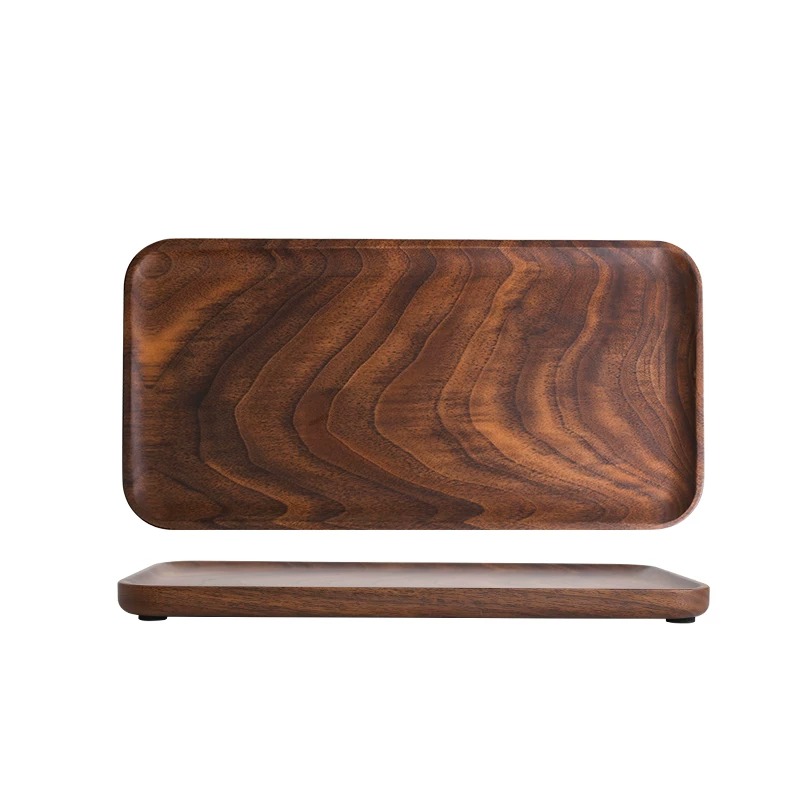
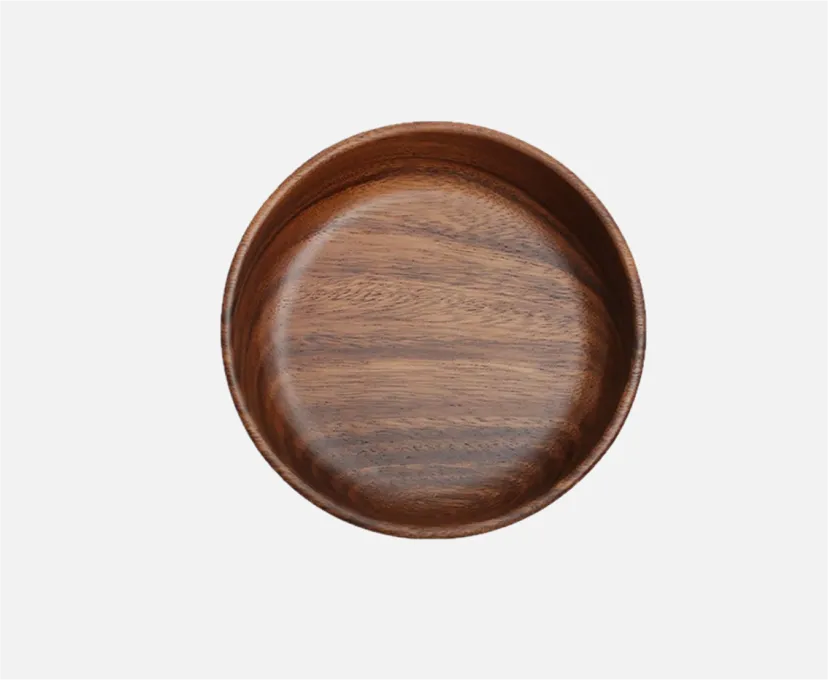
Love the look of walnut? Pair your board with walnut pieces from our store: a double-sided magnetic walnut knife block that keeps edges safe from drawer damage, a walnut serving tray for tea and snacks, and a solid walnut serving bowl for salads and fruit. You can also browse all our wooden cutting boards and serving trays.
Related guides: Best Wood for Cutting Boards · End Grain vs Edge Grain Cutting Board · How to Clean a Wooden Cutting Board
Yes. Walnut is firm enough for daily use, gentle on knife edges, has a tight grain and hides stains well. It is one of the most popular premium cutting board woods.
Maple is harder and more scratch-resistant and costs less; walnut is kinder to knives, hides stains and looks more striking. Choose maple for maximum durability and walnut for knife care and looks.
No. At about 1,010 lbf on the Janka scale, walnut is softer than maple and is one of the gentlest common woods for knife edges.
Yes. Walnut is softer than maple, so fine knife marks appear within days of use. They are cosmetic and can be sanded out.
Food-grade mineral oil, optionally followed by a beeswax board cream. Avoid olive and vegetable oils, and skip walnut oil if anyone in your home has a nut allergy.
Yes. A board cream with beeswax adds a thin, water-resistant layer on top of the oil. It wears off with washing, so reapply it every few oilings.
Usually because it dries unevenly, for example lying flat on a wet counter, or because it was soaked. Dry it on its edge, oil both sides evenly and never soak it.
Walnut lumber costs more than maple because the tree grows more slowly and is in high demand for furniture. End grain walnut boards also take more material and labor to build.