Address
304 North Cardinal
St. Dorchester Center, MA 02124
Work Hours
Monday to Friday: 7AM - 7PM
Weekend: 10AM - 5PM
Address
304 North Cardinal
St. Dorchester Center, MA 02124
Work Hours
Monday to Friday: 7AM - 7PM
Weekend: 10AM - 5PM
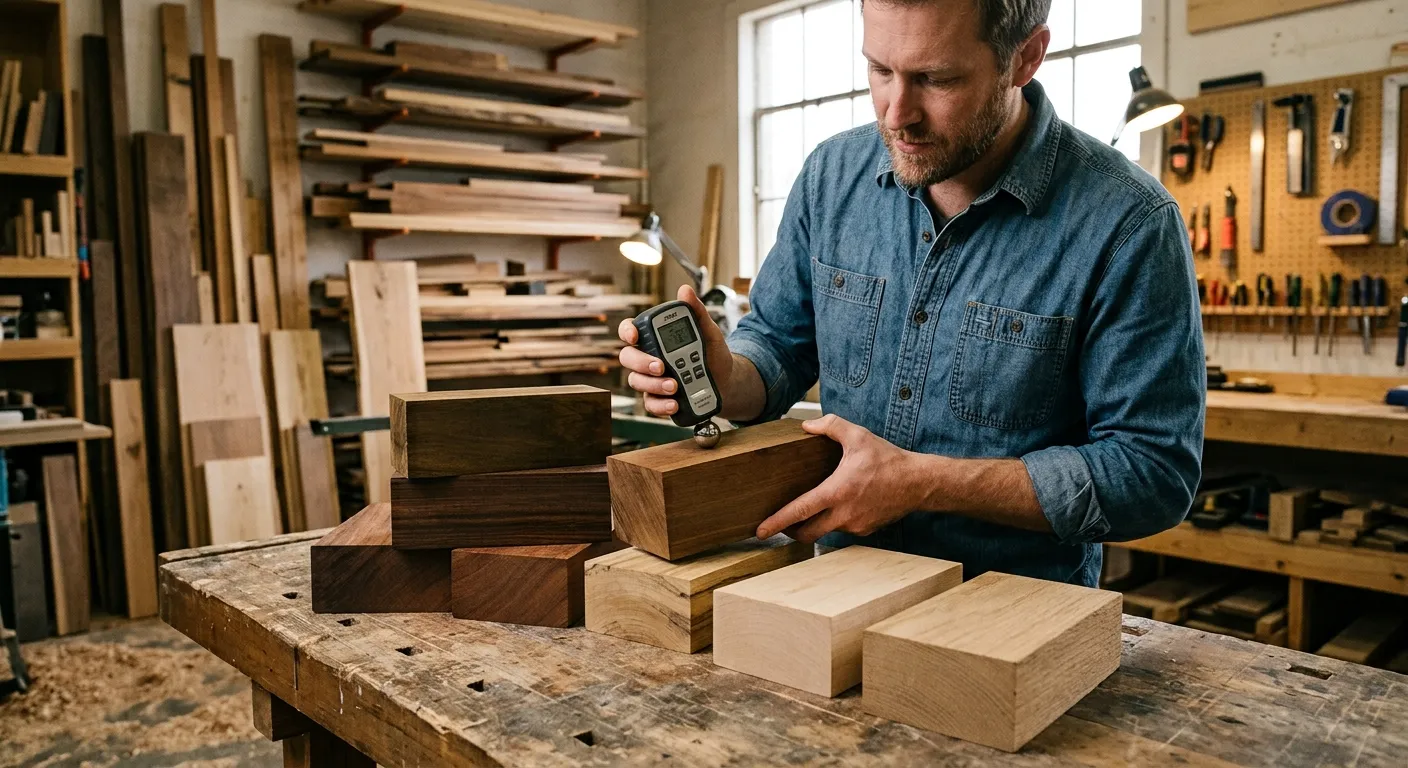
When you’re choosing furniture, “strong” can mean a lot of things. A dining table needs to resist dents from dropped plates. A bed frame needs to hold hundreds of pounds without sagging. A cabinet door needs to keep its shape through humid summers and dry winters. No single number captures all of that — but the Janka hardness scale comes closest to a universal benchmark, and it’s where most comparisons start.
If you want the short answer: hickory, hard maple, and quartersawn white oak lead the pack among domestic furniture woods. Hickory tops the Janka scale at 1,820 lb, hard maple follows at 1,450 lb, and quartersawn white oak sits at 1,360 lb with the added bonus of moisture resistance. Below, we’ll compare the strongest species side by side, explain why hardness isn’t the whole story, and match the right wood to the right piece of furniture.
Strength in furniture isn’t one property — it’s several working together:
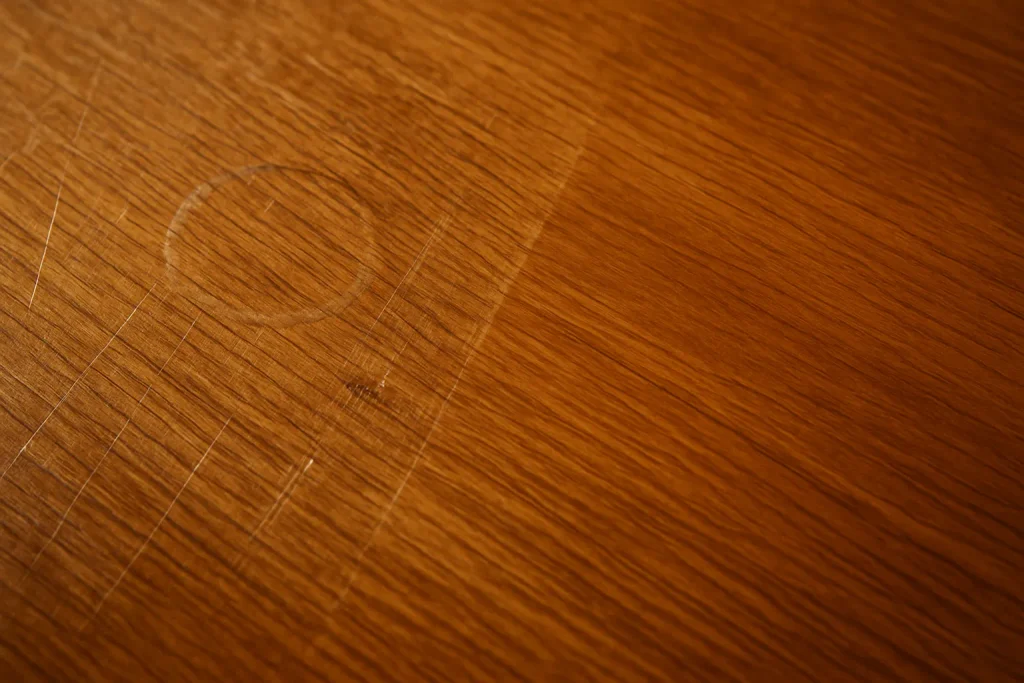
The Janka hardness scale measures the force required to embed a steel ball halfway into a wood sample. It’s the industry-standard shorthand for hardness, and it’s genuinely useful — but it has limits. Janka doesn’t measure stiffness, shock resistance, or stability. A wood can be hard and still crack under impact, or dense and still warp if it’s cut or dried poorly.
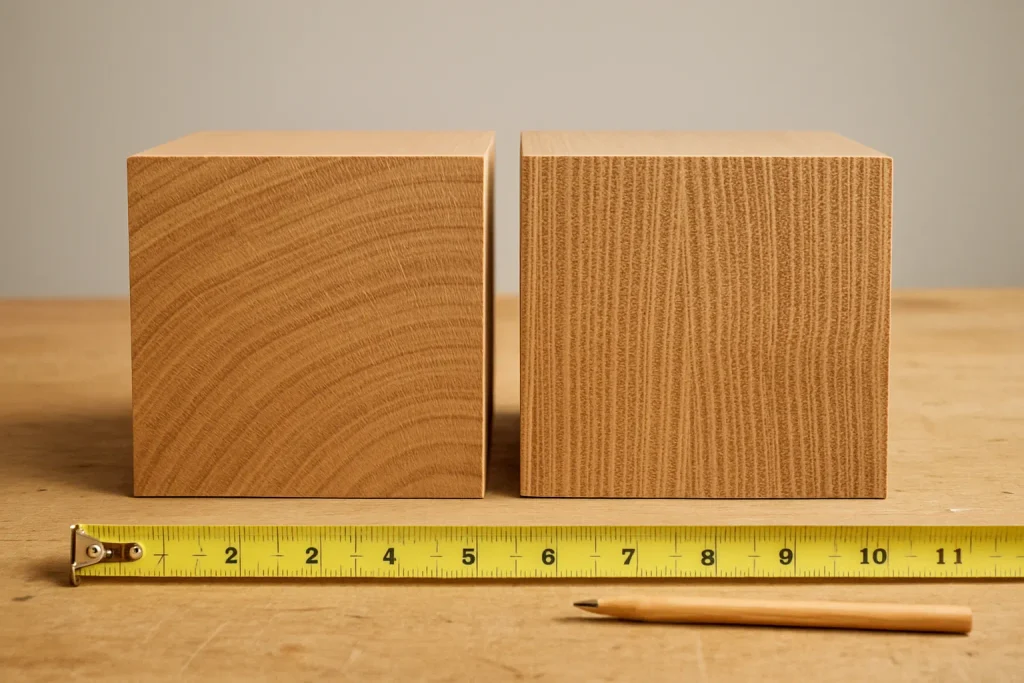
That’s why hardness alone doesn’t tell you everything. Grain direction matters: a quartersawn board is far more stable than a plainsawn one from the same tree. Moisture content matters: wood that wasn’t kiln-dried properly will shrink, swell, and pull joints apart no matter how hard it is. And joinery matters: a mortise-and-tenon joint in red oak will outlast a butt joint with screws in hickory every time.
Keep all of that in mind as you read the rankings below — they’re a starting point, not the final word.
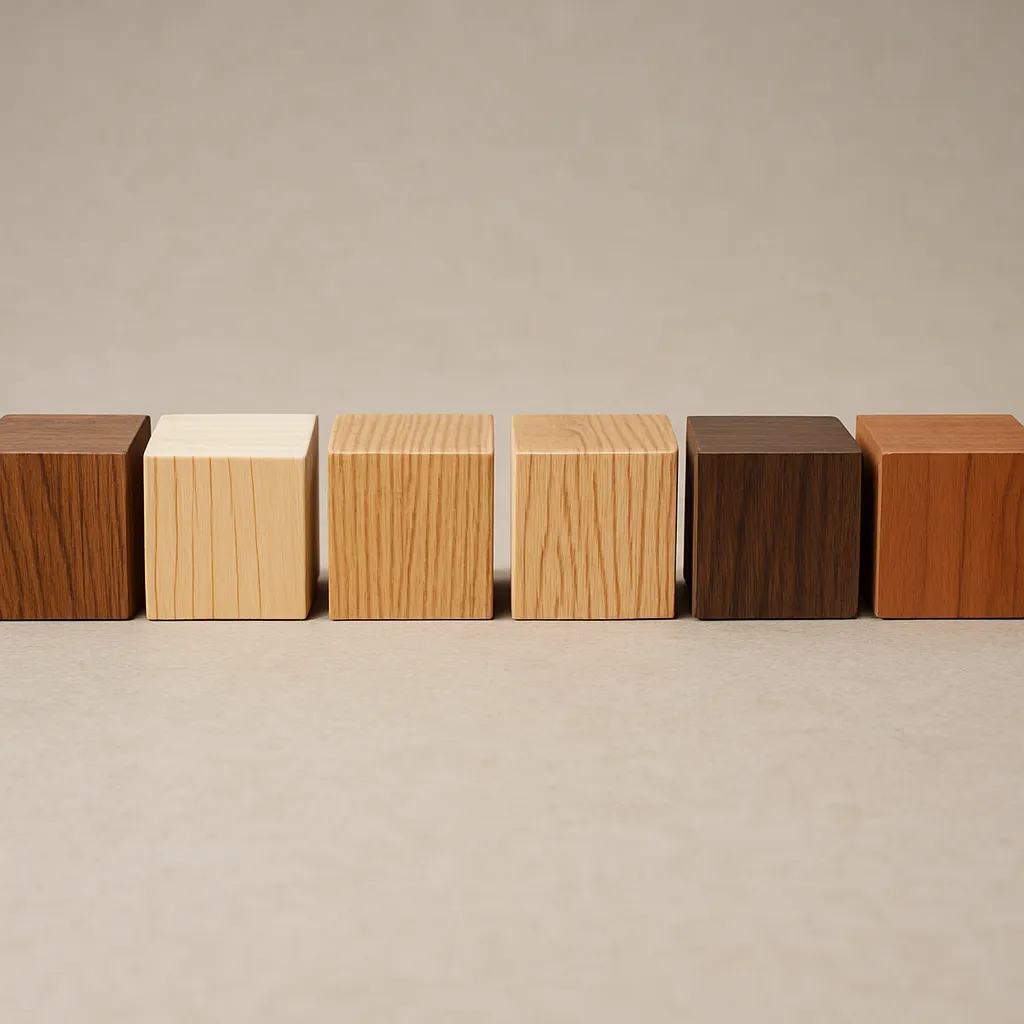
Here’s how the leading furniture species compare:
| Species | Janka Rating (lb) | Density | Best Furniture Use | Relative Cost |
|---|---|---|---|---|
| Hickory | 1,820 | Very high | Heavy-use tables, chairs, tool benches | High |
| Hard Maple | 1,450 | High | Cabinets, desks, dressers, butcher block | Moderate–High |
| Quartersawn White Oak | 1,360 | High | Heirloom tables, frames, moisture-prone rooms | High |
| Red Oak | 1,290 | Moderate–High | Dining tables, shelves, budget builds | Moderate |
| Ash | 1,320 | High | Chairs, seating, bent components | Moderate |
| Walnut | ~1,010 | Moderate | Coffee tables, headboards, decorative pieces | High |
| Cherry | ~950 | Moderate | Dressers, desks, traditional furniture | Moderate–High |
| Mahogany | ~900 | Moderate | Fine case goods, veneers, classic styles | High |
Hickory is the toughest wood commonly used in American furniture. Its density makes it ideal for surfaces that take a beating: dining tables, chair seats, workbenches, and anything in a busy household. It also has excellent shock resistance, which is why it’s a classic choice for tool handles.
The trade-offs are real, though. Hickory is heavy, hard on cutting tools, and can be challenging to machine cleanly. It also moves more than maple or oak as humidity changes, so proper drying and finishing are essential. Expect to pay a premium.
Hard maple — distinct from softer “soft maple” — is the standard for butcher block, cabinets, and desks. It resists scratches and surface wear better than almost any other domestic species, and its tight, uniform grain takes a fine finish beautifully.
It’s slightly less shock-resistant than hickory, meaning a hard enough impact can chip it, but for everyday wear on flat surfaces it’s hard to beat. It also holds screws and joinery exceptionally well thanks to its density.
White oak is strong, but the quartersawn version is the furniture-maker’s favorite. Cutting the log at an angle to the growth rings produces boards that expand and contract far less with humidity changes — the single biggest cause of cracked tabletops and stuck drawers.
White oak also has natural rot resistance thanks to its closed cell structure, making it a rare species that works both indoors and out. It’s the classic choice for heirloom dining tables, mission-style furniture, and frames that need to stay true for decades.
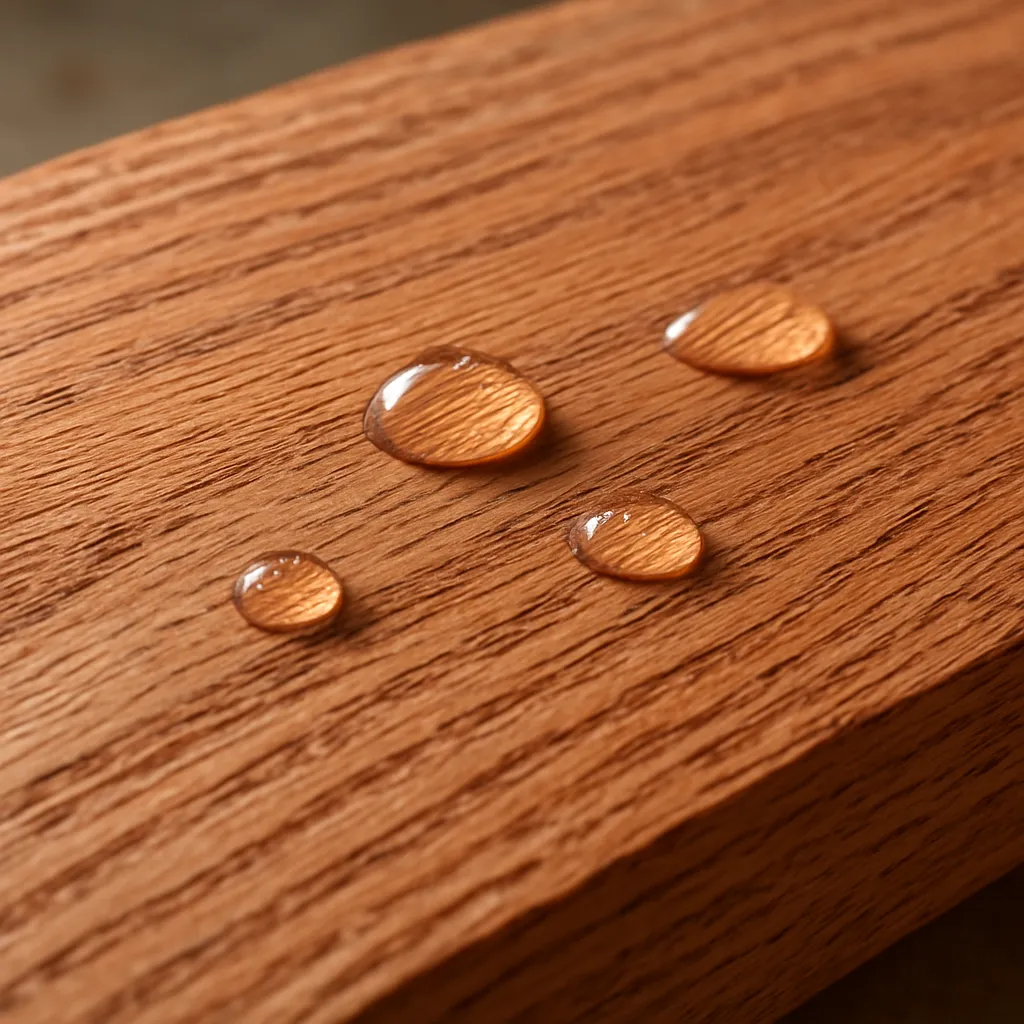
Red oak is slightly softer than white oak and much more porous, which means it absorbs moisture more readily and isn’t suitable for outdoor use. But indoors, it’s a workhorse: strong, widely available, and significantly cheaper than the premium species above. Its prominent grain is a love-it-or-hate-it feature, and it stains and finishes easily.
If you want real hardwood strength without the hickory price tag, red oak is usually the answer.
These species rank lower on Janka, but that doesn’t make them weak — it makes them different tools:
Hickory wins on impact — it absorbs blows without cracking. Hard maple wins on wear — it resists the slow abrasion of daily use. These are different properties, and confusing them leads to bad furniture choices. A hickory table might survive a dropped cast-iron pan but show more seasonal movement; a maple table stays flat and smooth but can chip at the edges under a sharp impact.
How a board is cut from the log changes its behavior dramatically. Plainsawn boards are more affordable but expand and contract significantly across their width. Quartersawn boards are cut so the growth rings run at an angle, which reduces movement by roughly half. For tabletops, drawer fronts, and anything wide and flat, quartersawn stock is worth the extra cost.
Wet wood is weak wood — and worse, it’s unstable wood. Furniture-grade lumber should be kiln-dried to roughly 6–8% moisture content for indoor use. Wood that’s too wet will shrink after assembly, opening joints and warping panels. This is a bigger determinant of real-world strength than species choice in many cases.
Dense hardwoods like maple, hickory, and oak hold screws, dowels, and mortise-and-tenon joints better than softer species. Porous woods like red oak hold glue well but can split if screws are driven without pilot holes. If a piece relies on mechanical fasteners, the species matters as much as the design.
A thick, well-applied finish adds scratch and moisture resistance, but it doesn’t add structural strength. Thickness does: a 1-inch thick tabletop will always outperform a ¾-inch one from the same species. When comparing furniture, check board thickness before you check the species name.
Tables and dining sets: Hickory, hard maple, and quartersawn white oak are the top picks for weight-bearing surfaces. Hickory for heavy daily use, maple for a cleaner look with excellent wear resistance, quartersawn white oak for a moisture-stable heirloom.
Chairs and seating: Chairs face repeated stress and impact, so shock resistance matters more than surface hardness. Ash is the traditional choice for its flexible strength, and hickory is the pick for maximum shock resistance.
Cabinets and storage: Hard maple and oak resist warping and hold their shape in structural frames. Maple’s tight grain also takes paint and stain evenly, which matters for cabinet doors.
Bed frames and load-bearing furniture: Red oak and white oak are the workhorses here. Their stiffness handles long spans without sagging, and both hold joinery well. Quartersawn white oak is the premium option for a frame you want to last decades.
Why not pine? Softwoods like pine dent easily, don’t hold screws as well, and are prone to splitting at joints. They’re fine for painted accent pieces and light shelving, but they’re a poor choice for dining tables, bed frames, or anything that bears real weight.
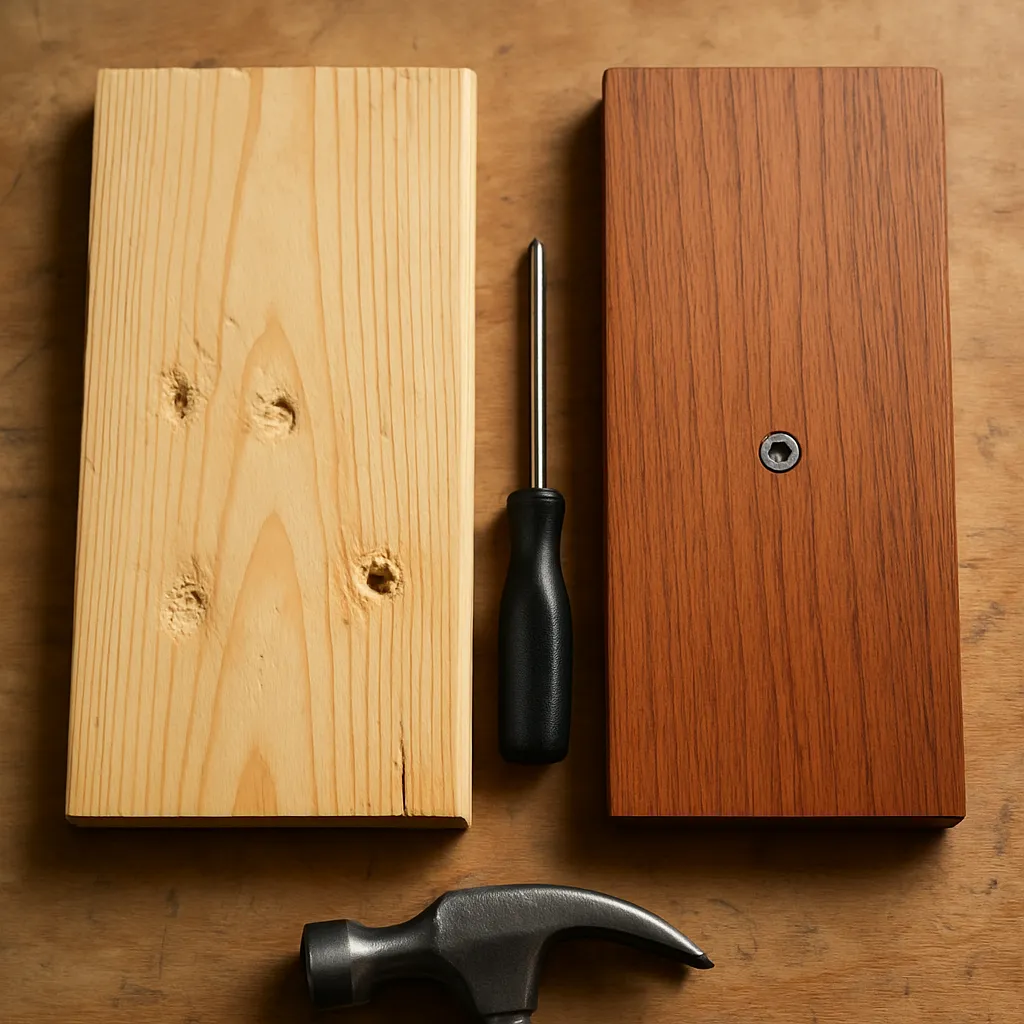
Outdoor strength is a different equation. Hardness still matters, but so do rot resistance, natural oil content, and dimensional stability under constant moisture cycling.
Pressure-treated pine is not a true strength solution for outdoor furniture. It resists rot through chemical treatment, not through the wood’s own properties, and it still dents, splits, and warps. It’s fine for structural framing, not for fine furniture.
Engineered wood gets a bad reputation, but the category spans a wide range:
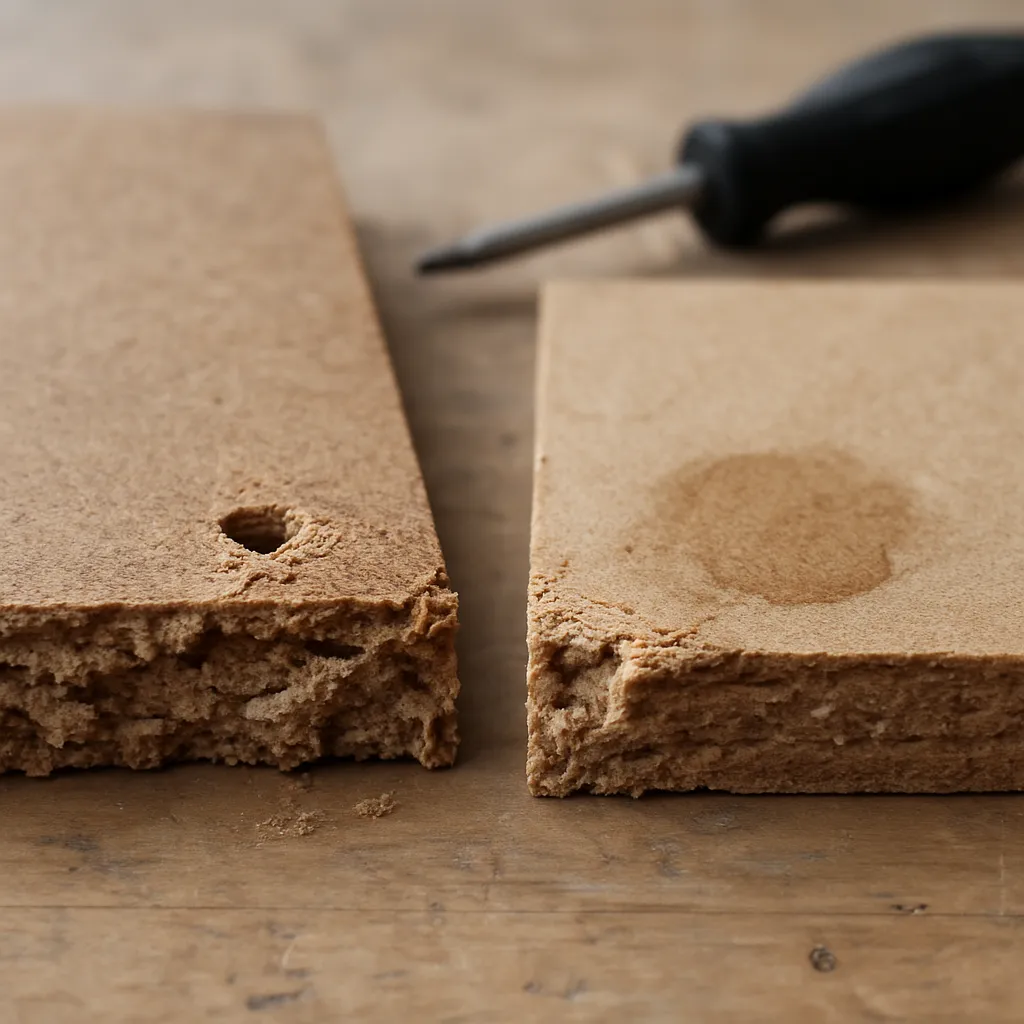
Where does solid hardwood still win? Load-bearing frames, joinery, and longevity. A mortise-and-tenon joint in solid oak will outlast any engineered connection. And a solid hardwood table can be refinished repeatedly; veneered particle board cannot.
One warning: listings that say “solid wood” don’t always mean a strong species. Many pieces use a thin veneer of oak or walnut over a softwood or engineered core. Check whether the species is named — and whether it’s named for the structure, not just the surface.
Which wood is strongest for furniture?
Hickory is the strongest domestic wood commonly used for furniture, with a Janka hardness rating of 1,820 lb. Hard maple (1,450 lb) and quartersawn white oak (1,360 lb) follow closely. For outdoor furniture, ipe and teak are stronger than most indoor hardwoods because they also resist moisture and rot.
Is oak or maple stronger for furniture?
Hard maple is slightly stronger than red oak on the Janka scale (1,450 lb vs 1,290 lb) and resists scratches and wear better. Quartersawn white oak (1,360 lb) falls between them and adds moisture resistance. Maple suits cabinets, desks, and tabletops; oak suits dining tables, shelves, and frames.
What is the strongest wood for a dining table?
Hickory is the strongest choice for a dining table because it handles heavy daily use and impact with a Janka rating of 1,820 lb. Hard maple and quartersawn white oak are close alternatives that balance strength with a cleaner grain and better moisture resistance.
Is walnut strong enough for furniture?
Yes. Walnut is strong and durable but lighter than hickory or maple, with a Janka rating around 1,010 lb. It resists warping and develops a rich patina over time, making it ideal for coffee tables, headboards, and decorative pieces rather than heavy-use dining tables.
Is solid wood stronger than plywood for furniture?
Solid hardwood is stronger for load-bearing frames and joinery, but quality plywood is stronger than MDF or particle board and handles moisture and screws better than weak softwoods. For structural furniture parts, solid hickory, maple, or oak outperform any engineered wood.
Which softwood is strong enough for furniture?
Most softwoods are not strong enough for high-stress furniture, but pressure-treated pine, cedar, and fir work well for painted pieces, light-use shelving, and budget projects. They dent and scratch more easily than hardwoods and are not recommended for dining tables or bed frames.